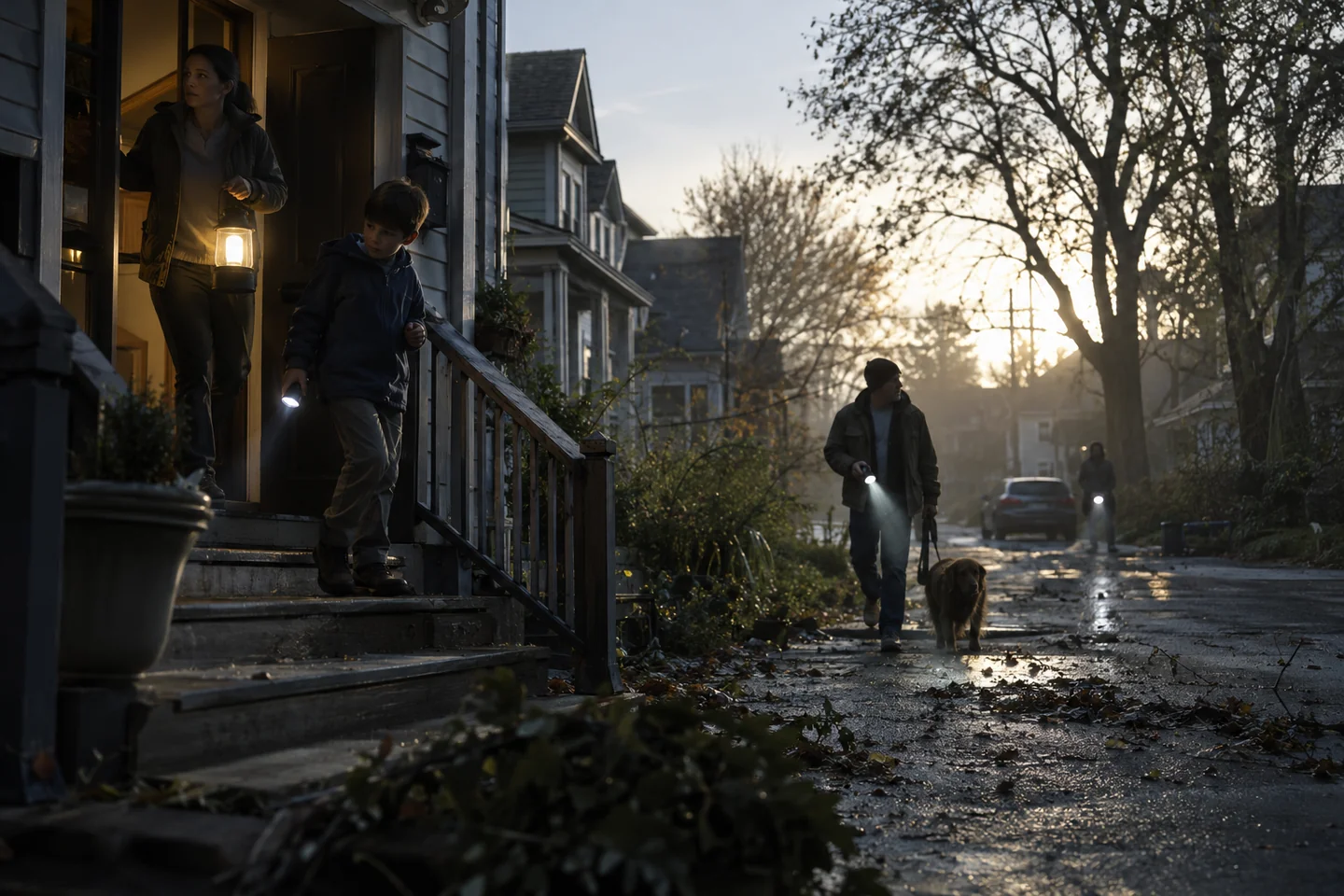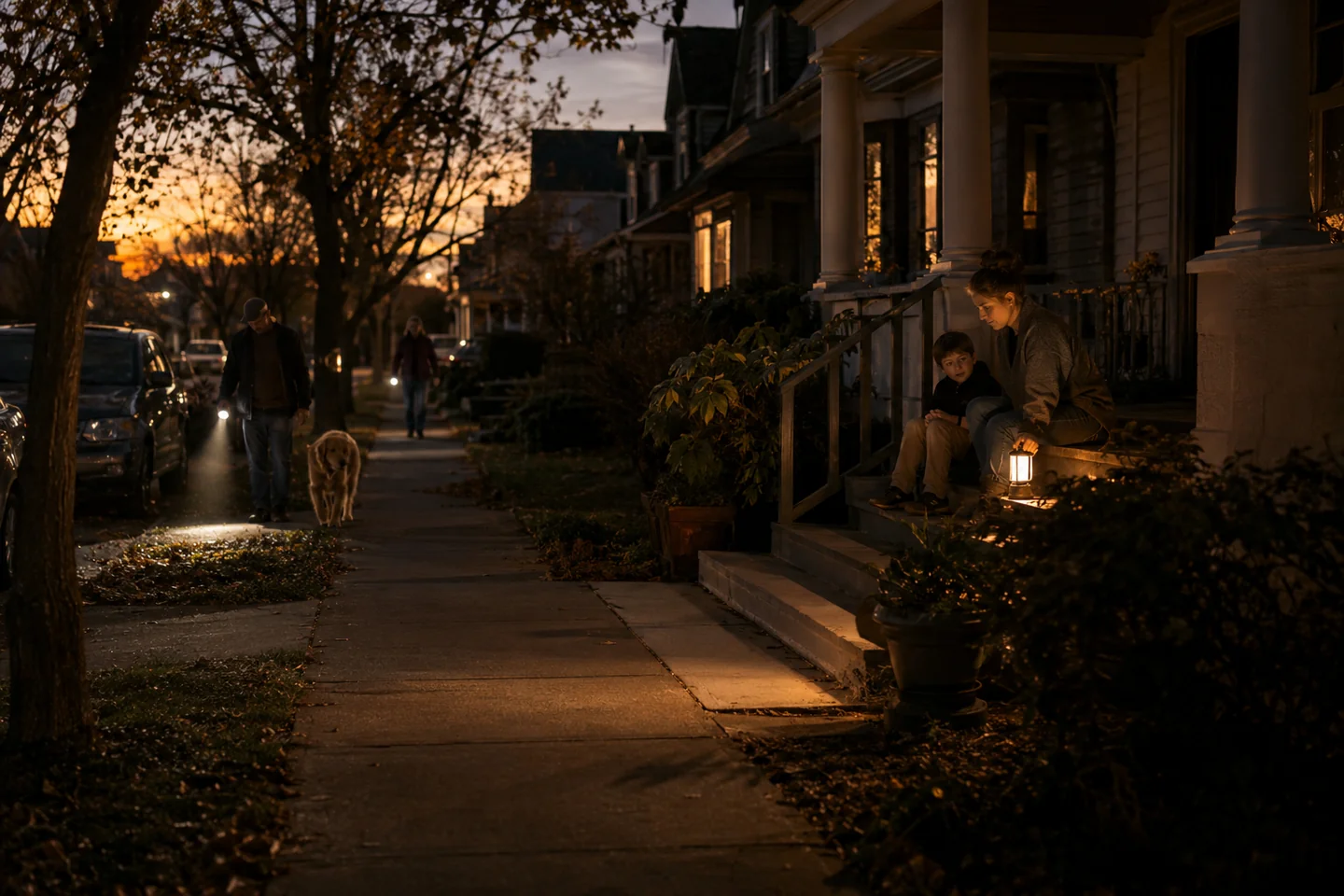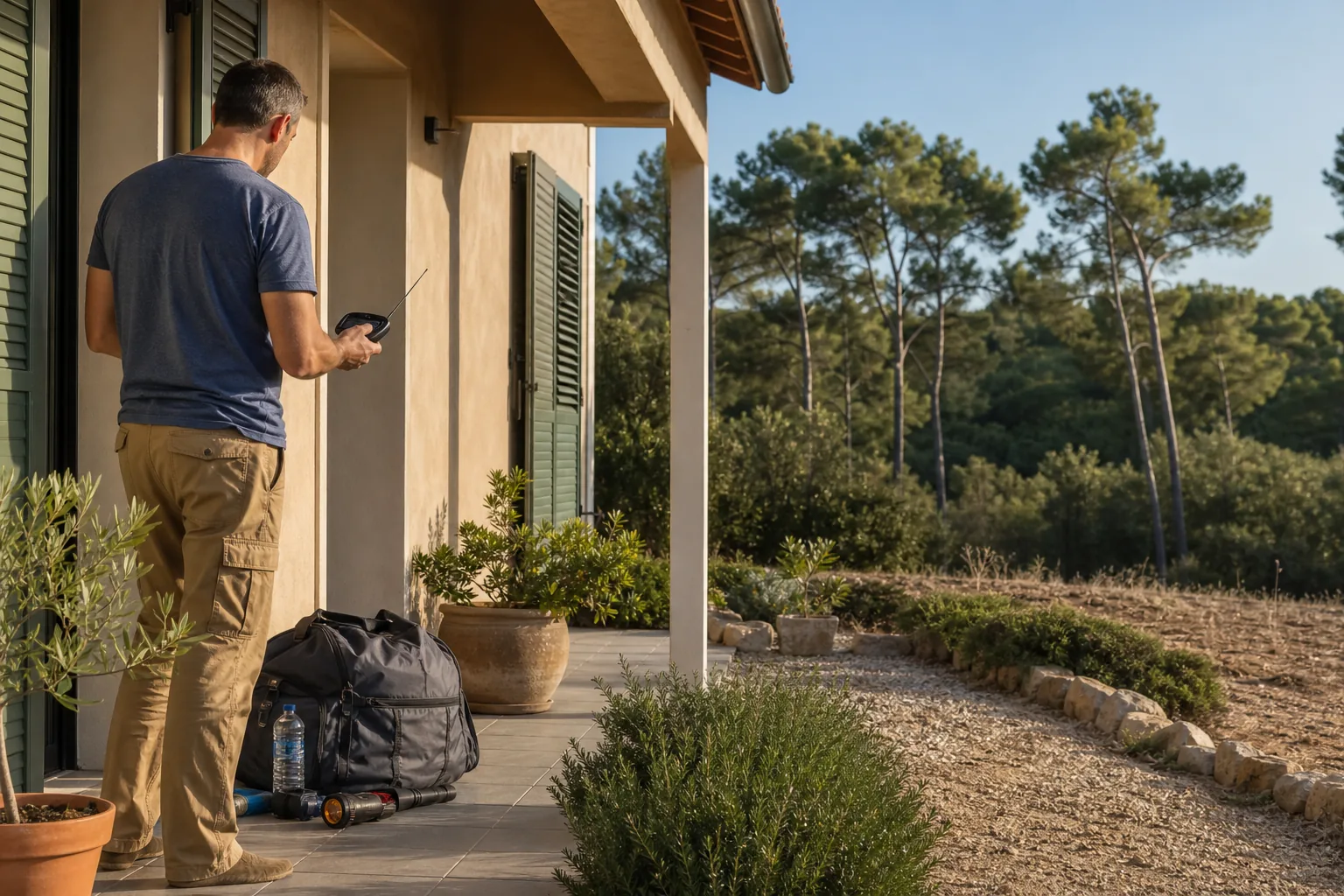
Si vous voyez un départ de feu, appelez le 18 ou le 112 depuis un lieu sûr et indiquez où il se trouve. Si le feu menace votre habitation, mettez-vous à l’abri dans un bâtiment en dur, fermez les ouvertures et suivez les consignes locales. Évacuez sur ordre des autorités.
Before the season: reduce what can burn around the building
Avant la saison à risque, consultez le zonage informatif des obligations de débroussaillement sur Géorisques. Confirmez les règles applicables à votre parcelle auprès de la mairie. Éloignez le bois et les autres combustibles du bâtiment et laissez les accès dégagés pour les secours.
Openings, vents, shutters, hatches and bottoms of doors are sensitive points to smoke and flames. Official instructions recommend closing or protecting them depending on the situation.
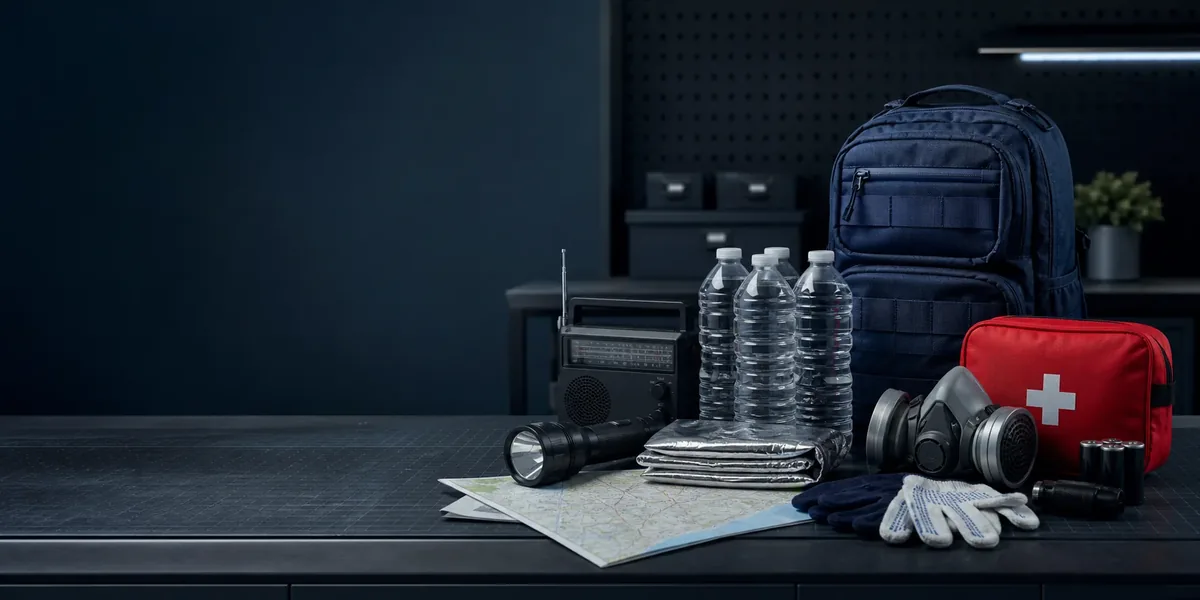
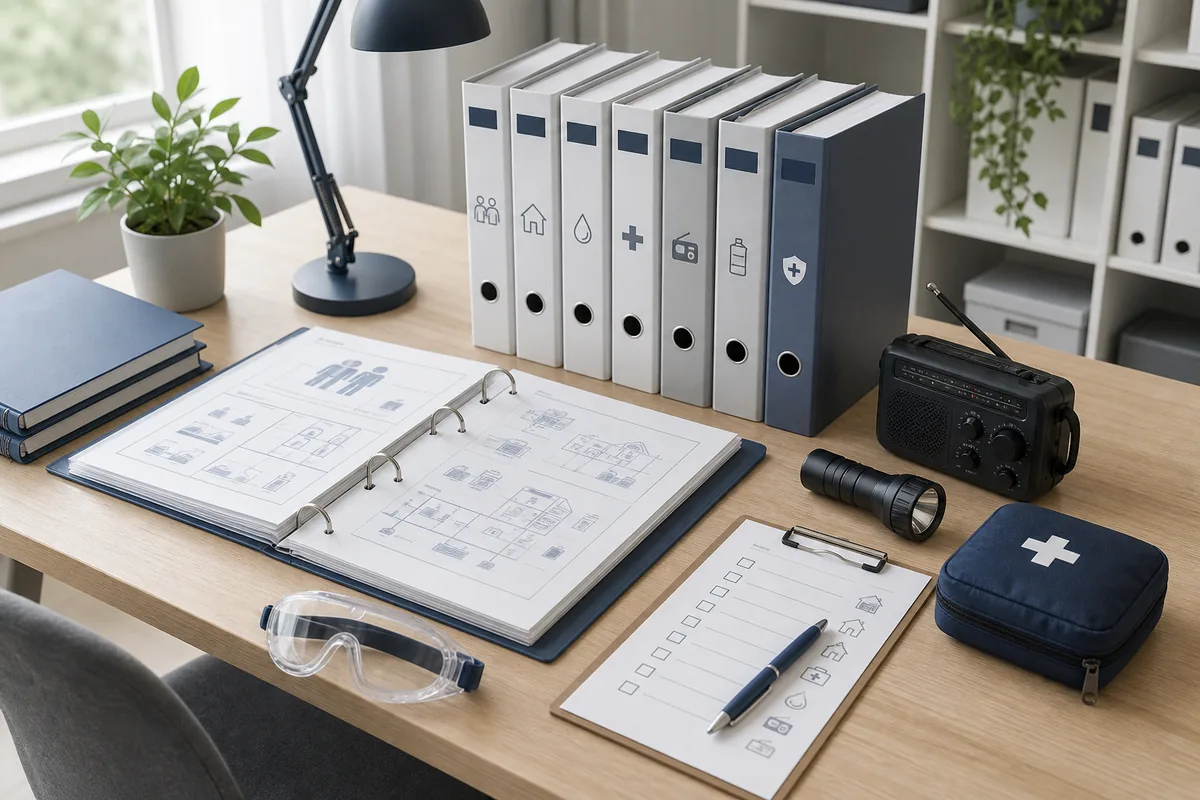
The emergency kit must be ready: radio, lamp, papers, treatments, water, telephone, charger, clothing, contact list and local instructions.
During: follow the instructions rather than improvise
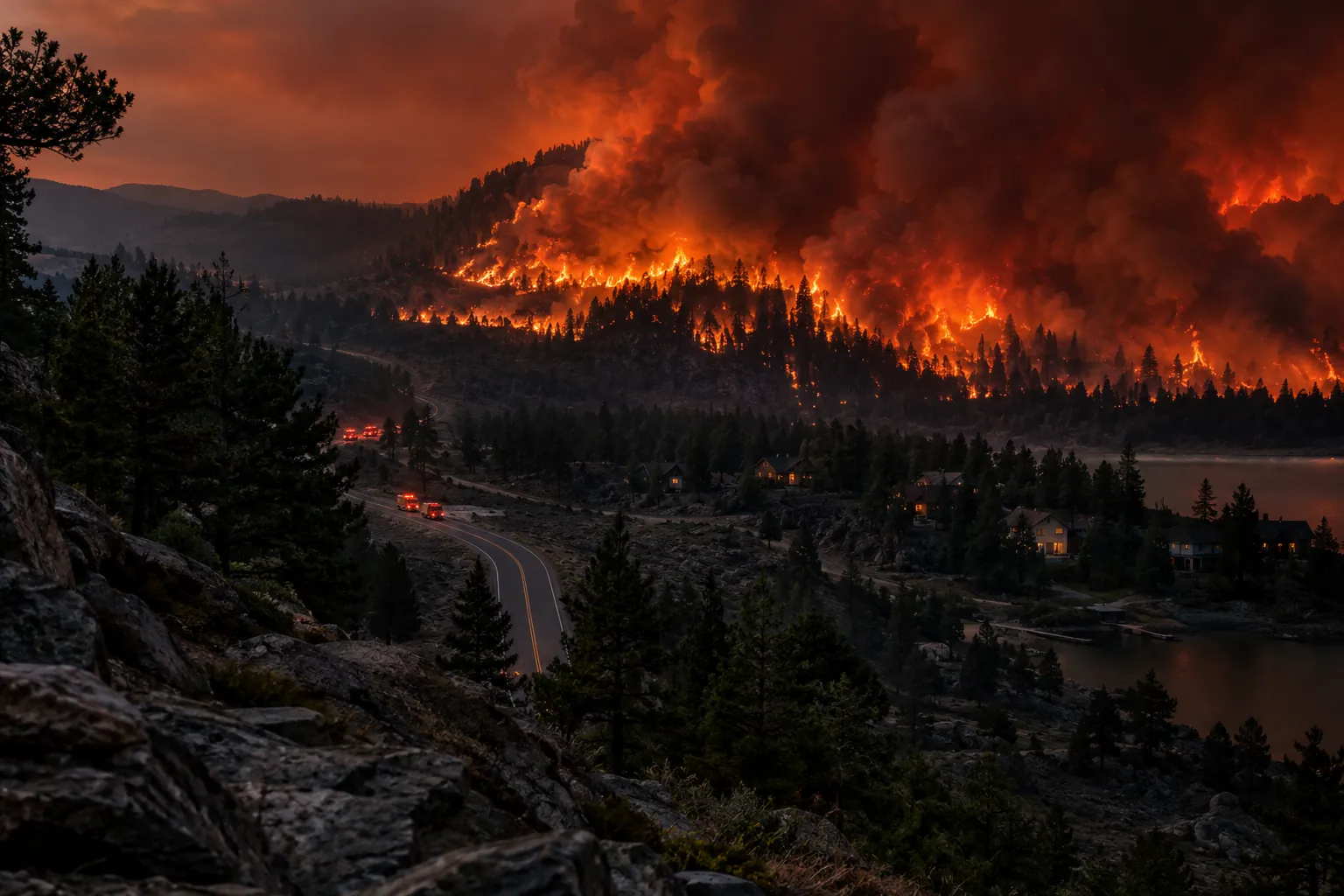
Témoin d’un départ de feu, donnez l’alerte au 18 ou au 112. Le 114 est accessible notamment par SMS. Indiquez la commune et, si vous le pouvez, la route, le lieu-dit ou un repère visible. Depuis un massif menacé, éloignez-vous sans vous exposer ou abritez-vous dans un bâtiment en dur.
Si le feu menace un bâtiment en dur où vous êtes abrité, fermez portes et volets et limitez les entrées de fumée par les aérations. Suivez les messages de la préfecture, de la mairie ou des secours et empruntez l’itinéraire indiqué si l’évacuation est ordonnée.
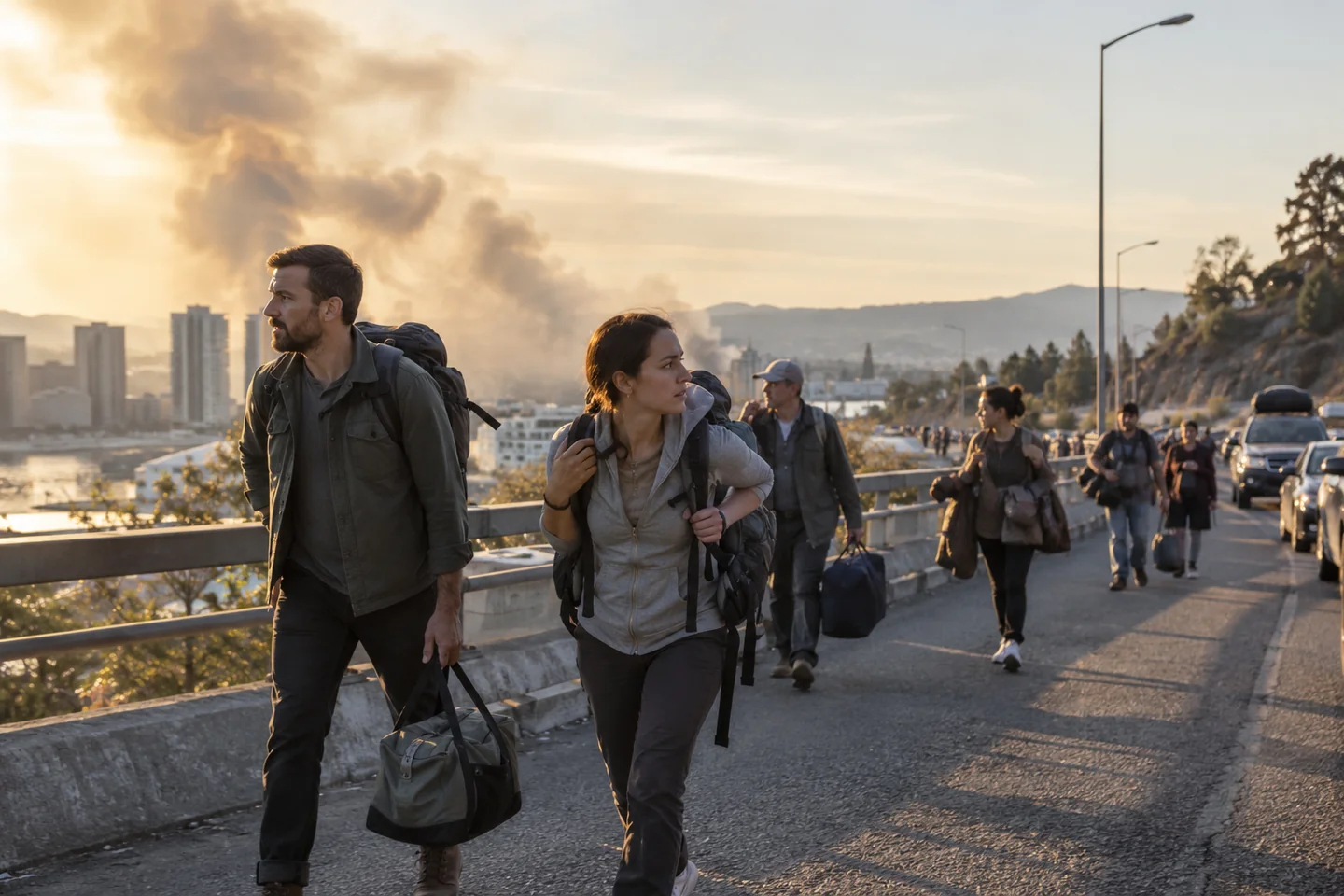
Évitez les routes menant à l’incendie. Si le front de feu vous surprend en voiture, la Sécurité civile recommande de s’arrêter dans une zone dégagée et de rester dans le véhicule. Suivez les consignes des secours.
Prepare for the risky season before the first fumes
Maintain the surrounding areas in accordance with local obligations, keep combustible materials away from facades and keep access accessible for emergency services. Check shutters, gutters, pipes and useful reserves. A house prepared in advance resists better than a home put away in an emergency.
When danger increases, charge phones, park the vehicle facing the direction of departure if recommended, and gather papers, treatments, water, and clothing. Follow the prefecture, town hall and fire services. Do not take a closed road or leave at the last moment out of curiosity or panic.
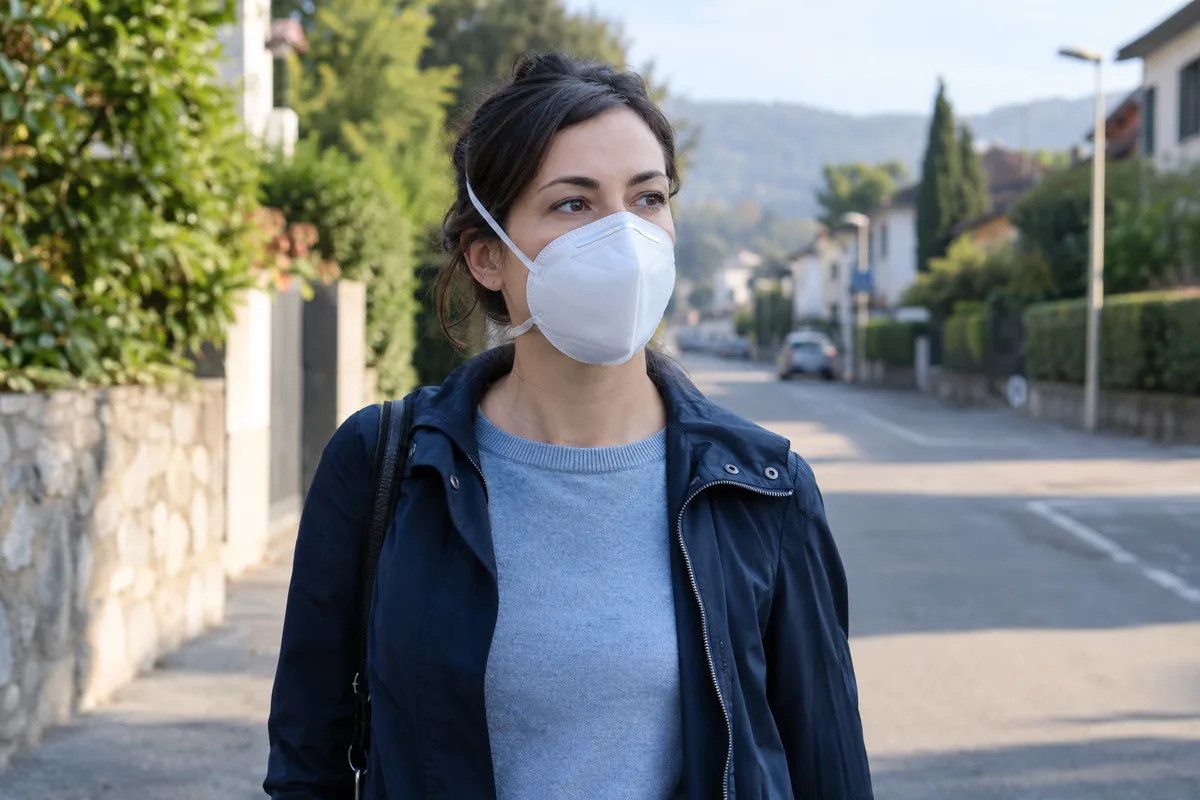
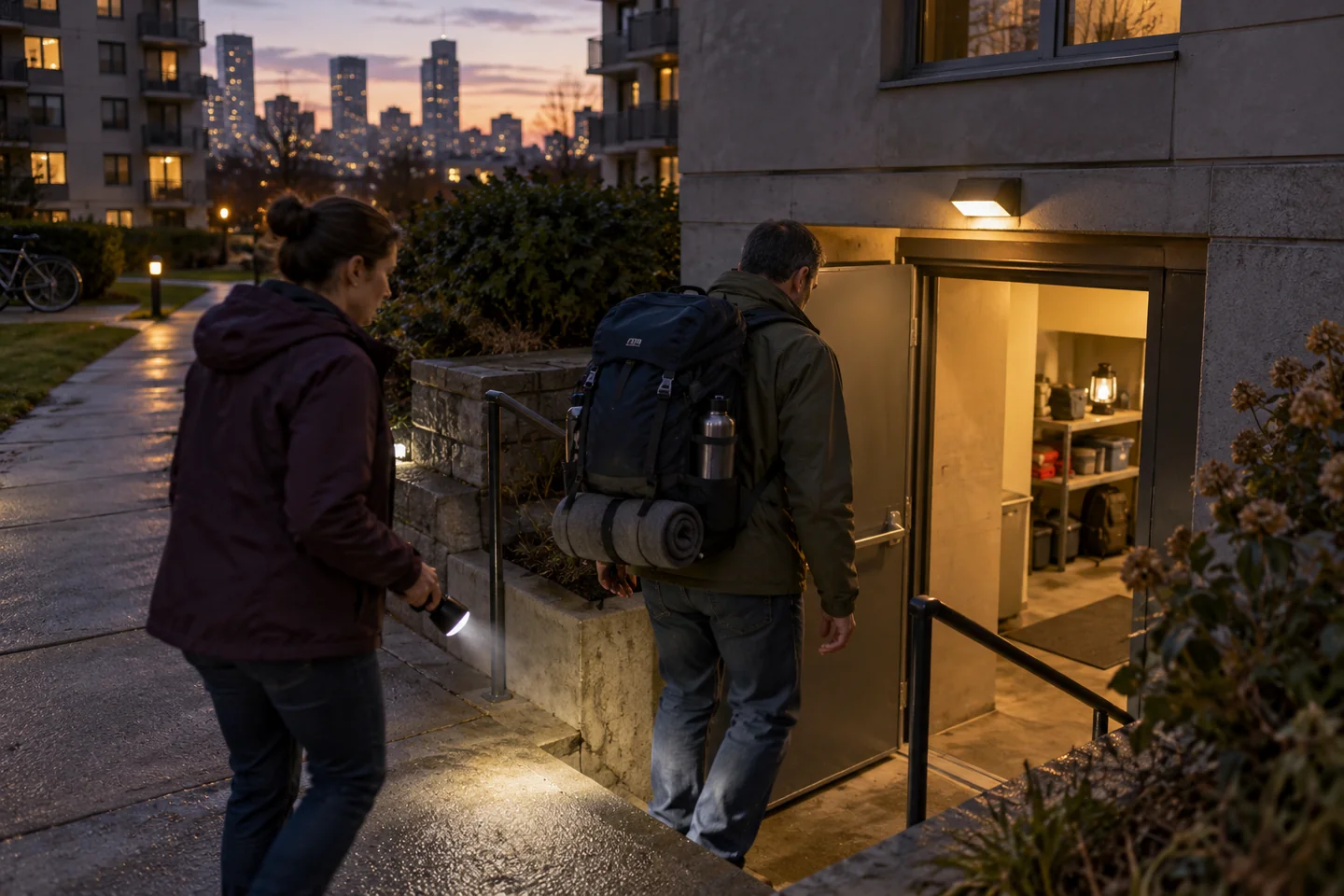
If the authorities ask you to stay sheltered, close the openings and monitor the entry of smoke without exposing yourself. If they order evacuation, leave immediately by the indicated route. The choice between staying and leaving depends on the progress of the fire and local information, not on a single rule.
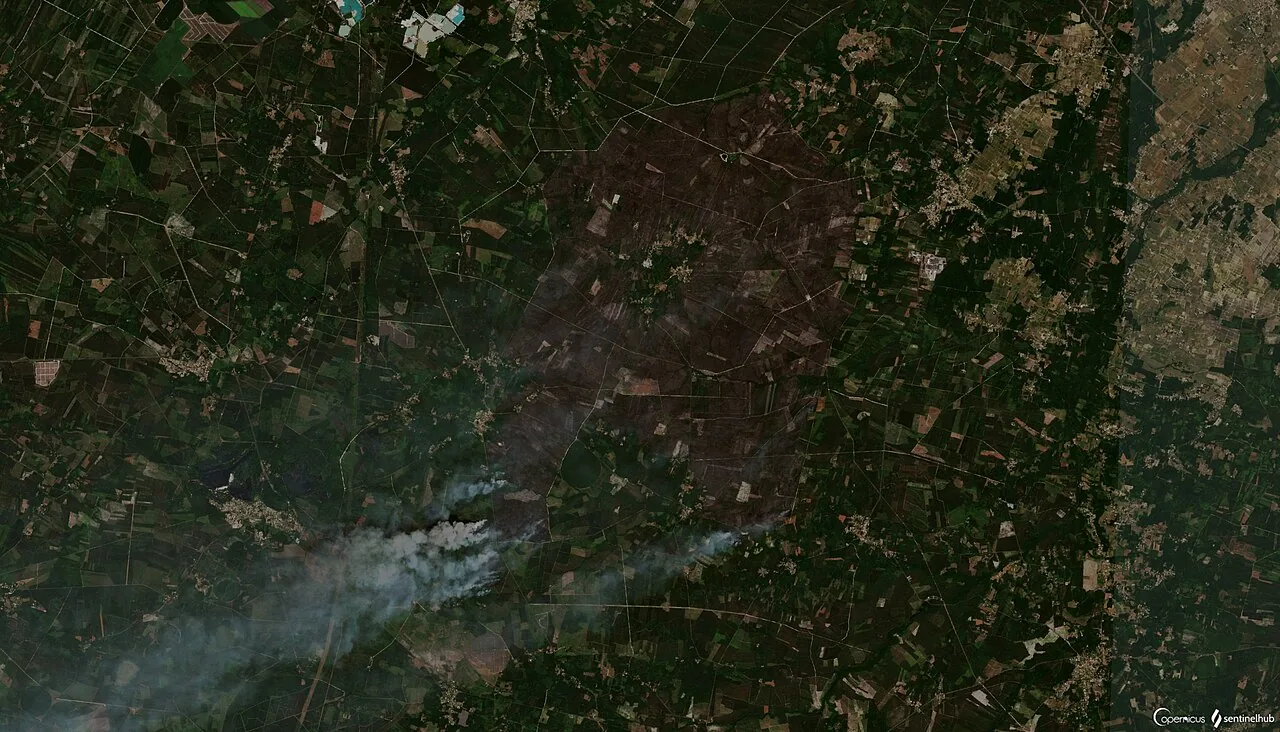
Landiras in July 2022: a real satellite observation
This image of the Landiras area in Gironde, France, shows a fire-affected area and a smoke plume. Sentinel data were processed to produce this view; it is an archive from July 2022.
A satellite view documents an event’s extent, but does not measure the air people breathe at a specific address or provide an evacuation route. For an ongoing event, follow the prefecture’s and emergency services’ instructions.

Useful data at a glance
Orders of magnitude and simple controls to adapt to your situation. Local instructions always remain a priority.
According to local order
Shelter or evacuation.
To be spotted
Without taking a closed or exposed route.
To prepare
Storage and clearing of brush are done before the season.
Quick check before you need it
- Maintain the surrounding areas according to local rules
- Keep combustibles away from the facade
- Prepare papers, water and treatments
- Park the vehicle in the direction of departure if recommended
- Follow prefecture, town hall and firefighters
Recommended situations and routes

Exhibited house
Clear brush, keep combustibles away, close openings, keep a hose available and prepare documents.
Deep: Exposed house
External smoke
Close doors, windows, ventilation according to instructions, limit exits and listen to authorities.
Deep: Exterior fumes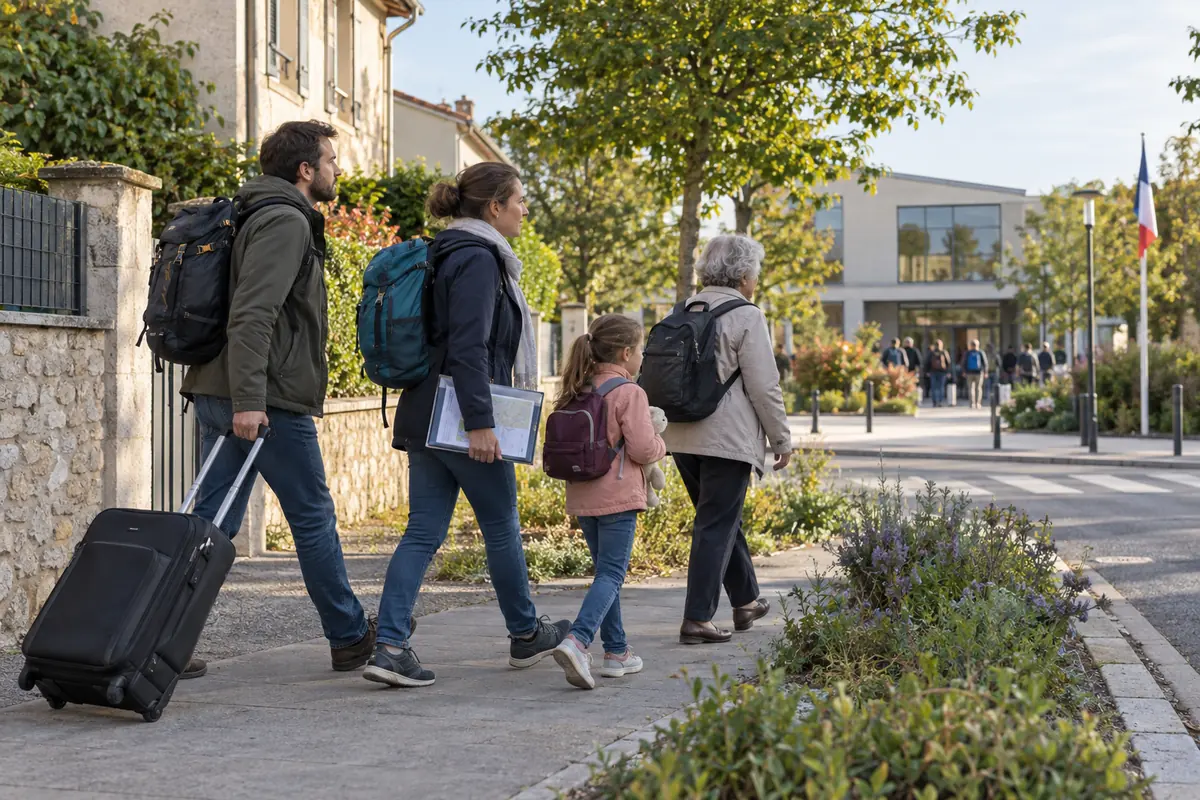
Return after evacuation
Wait for authorization, check water, food, soot, damage and residual risks.
Find out: Return after evacuation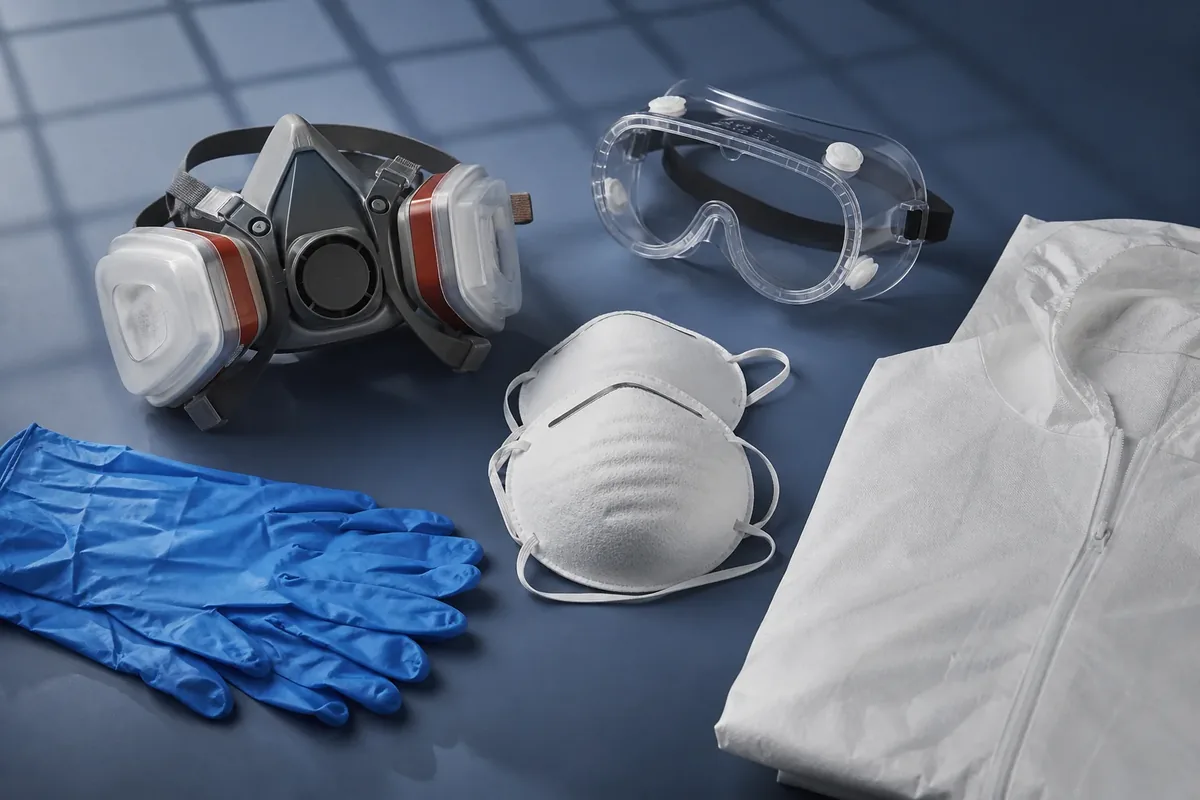
FAQ Forest fires
Quick responses to compare uses, limits and protection priorities.
Should you evacuate as soon as a fire is visible?
You must follow the instructions from the emergency services or the town hall. In some cases, evacuation is requested; in others, staying in a permanent building may be safer.
Why close the vents?
This limits the entry of smoke and flames when the authorities or the situation justify it.
What to check after a fire?
Wait for authorization, check damage, soot, food, water, weakened trees, lines and ember risks.
Should we evacuate as soon as we see smoke?
Follow local guidelines. Evacuating too late is dangerous, but leaving on an exposed road without information can be too. Prepare early and listen to the authorities.
References used for this guide
 Civil security - Forest fire
Preparation of homes, clearing of brush, closing of vents, following instructions and evacuation only according to the situation and the authorities.
 Ministère de la Transition écologique – Feux de forêt et de végétation
Gestes de prévention et conduite à tenir en cas de départ de feu ou avant le retour.
 Géorisques – Obligations légales de débroussaillement
Carte du zonage informatif et liens vers les règles de débroussaillement.
Civil security - 72-hour emergency kit
Family or professional preparation, short-term autonomy, radio, water, medicines, documents and regular checking of the kit.

Explore more CBRN guides