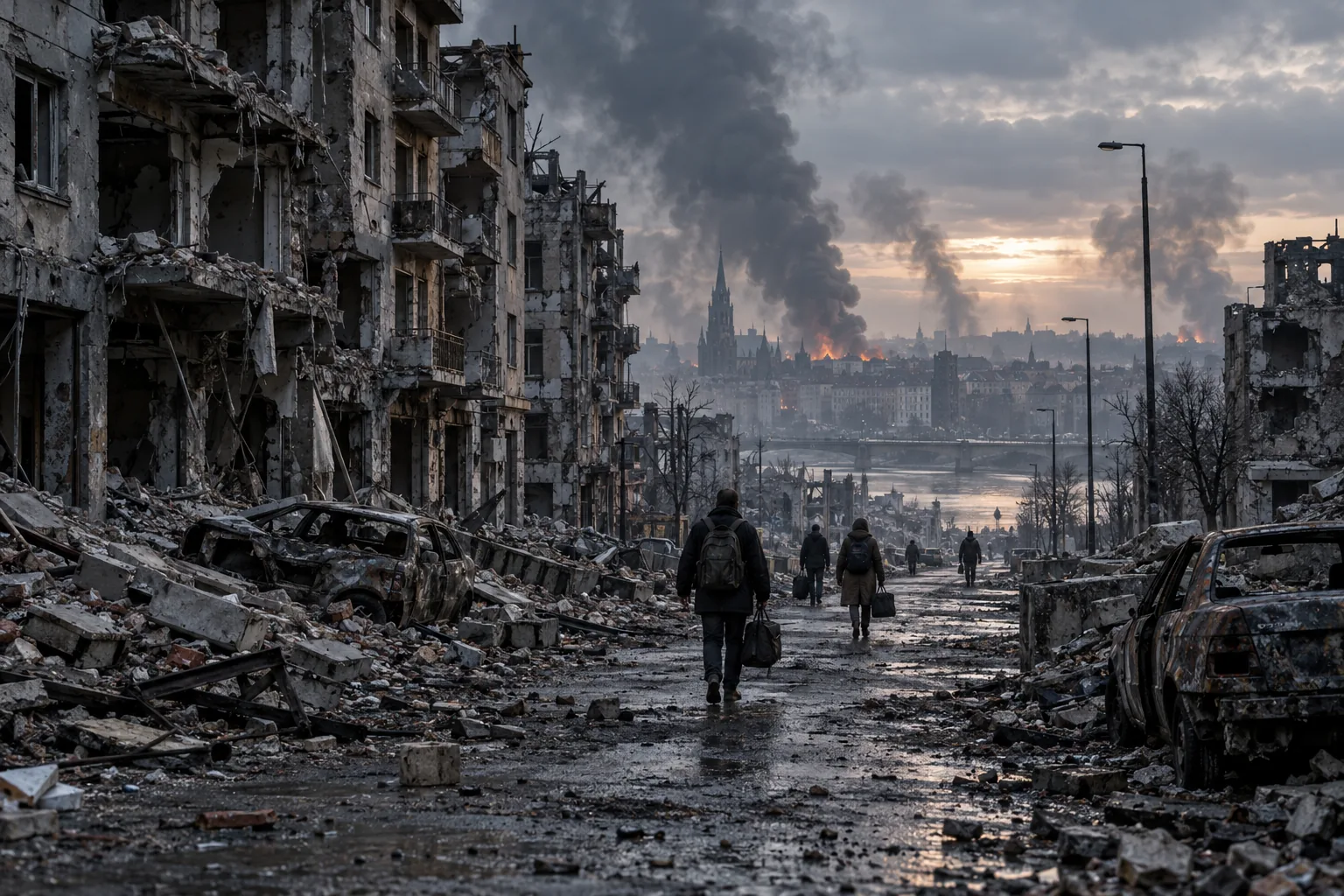
Survivalism for the general public consists of being able to last a few days with water, food, light, a radio, care, documents and a simple family organization.
The best first purchase remains the simple kit
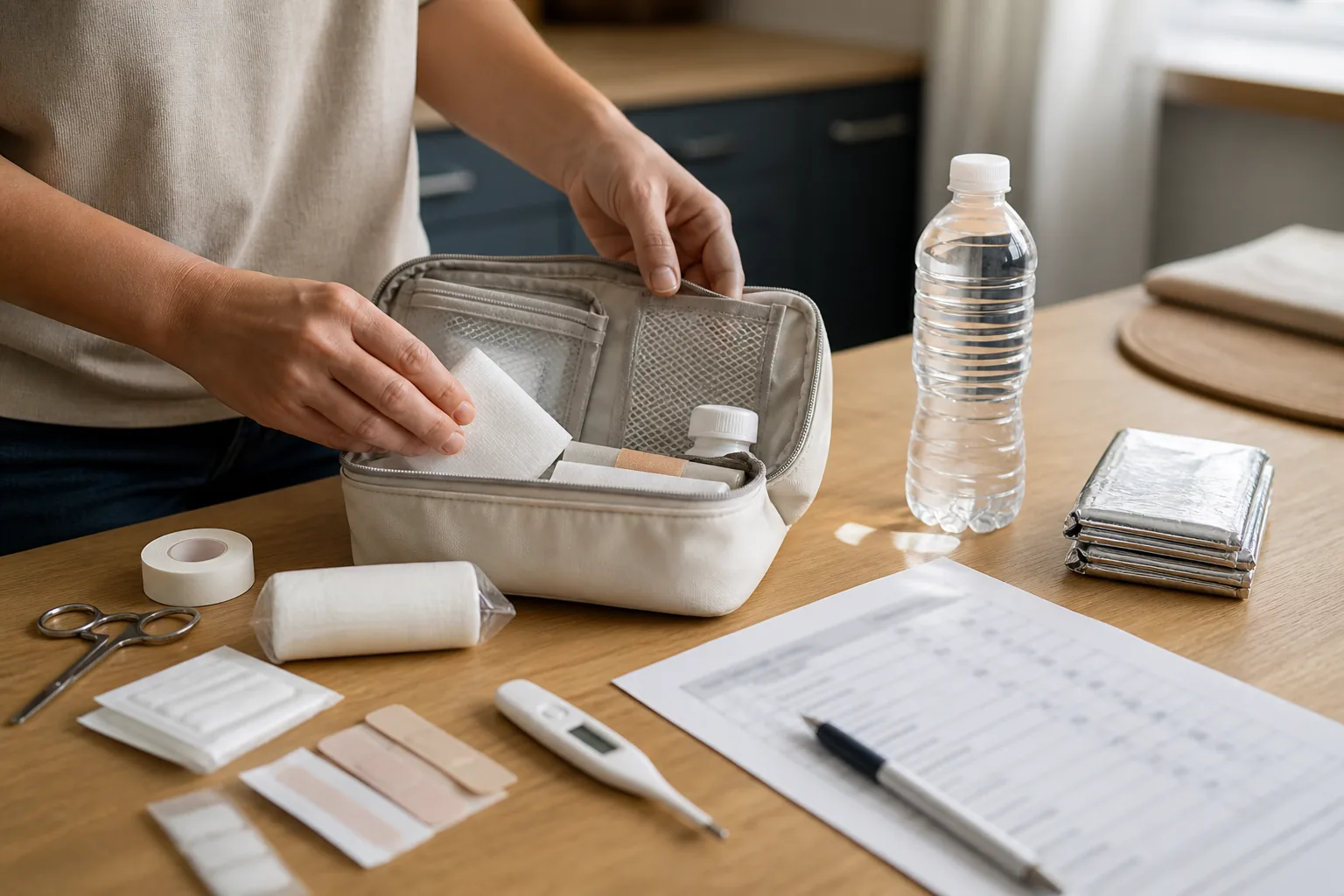
Civil Security recommends an autonomy of three days. For a buying guide, this gives a clear basis: water, food not requiring complex cooking, radio, batteries, lamp, first aid kit, treatments, essential documents, warm clothing and cash.
Useful survivalism does not need extreme imagination. It responds to water, electricity, network outages, bad weather, fires, evacuations, long strikes, transport blockages or health episodes.
The right method is to buy gradually, check the dates, test simple objects and avoid gadgets that reassure more than they serve.
Order of priority to buy
Priority 1: water, light, radio, battery, first aid and documents. Priority 2: food, hygiene, clothing, safe heating, authorized cooking methods. Priority 3: filtration, storage, energy redundancy, tools and home organization.
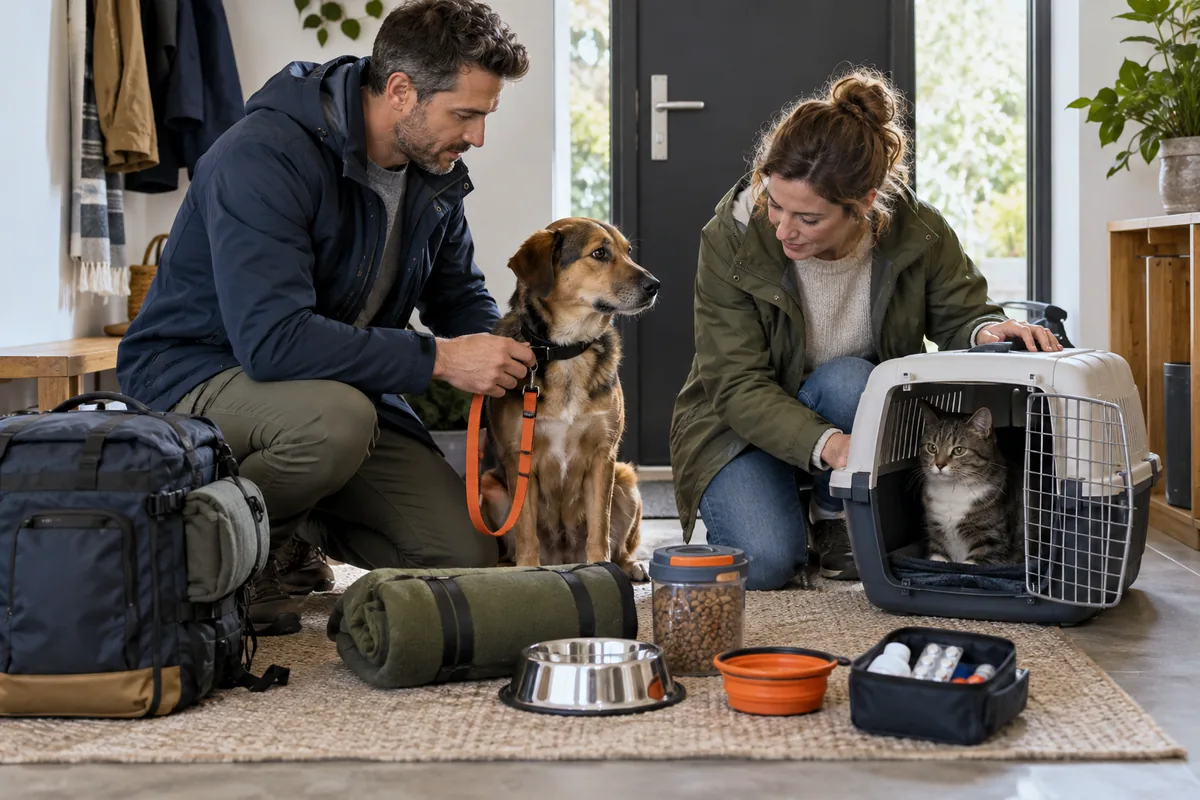
Each home must accommodate: children, animals, medical treatments, disability, high floor, vehicle, isolated house, flood zone, coastline, mountain or overseas.
The budget can be divided into levels: minimal kit, family kit, home kit, car kit, evacuation kit and rotation stock.
Discreet autonomy which also improves everyday life
A well-thought-out reserve does not remain forgotten in the back of a cupboard. Water and food are consumed then replaced, the lamps are used in small breakdowns, the battery accompanies travel and the care kit is known to everyone. This rotation reduces waste and allows you to quickly identify what is missing.
Distribute the equipment rather than concentrating everything in a bag that is too heavy. A base remains at home, a small set can be placed in the car if storage conditions permit, and everyone keeps their medications or essential documents accessible. The goal is continuity, not accumulation.
Also plan for the human factor: fatigue, worried children, an isolated neighbor, an animal to feed or a loved one who is difficult to reach. A contact list on paper, a few simple games and a clear division of tasks make the waiting period much more bearable.
Check annually, then replenish after every use
France’s Civil Security authority advises checking the kit once a year and replenishing it after use. This preparedness review does not replace expiry dates or more frequent checks specified by manufacturers.
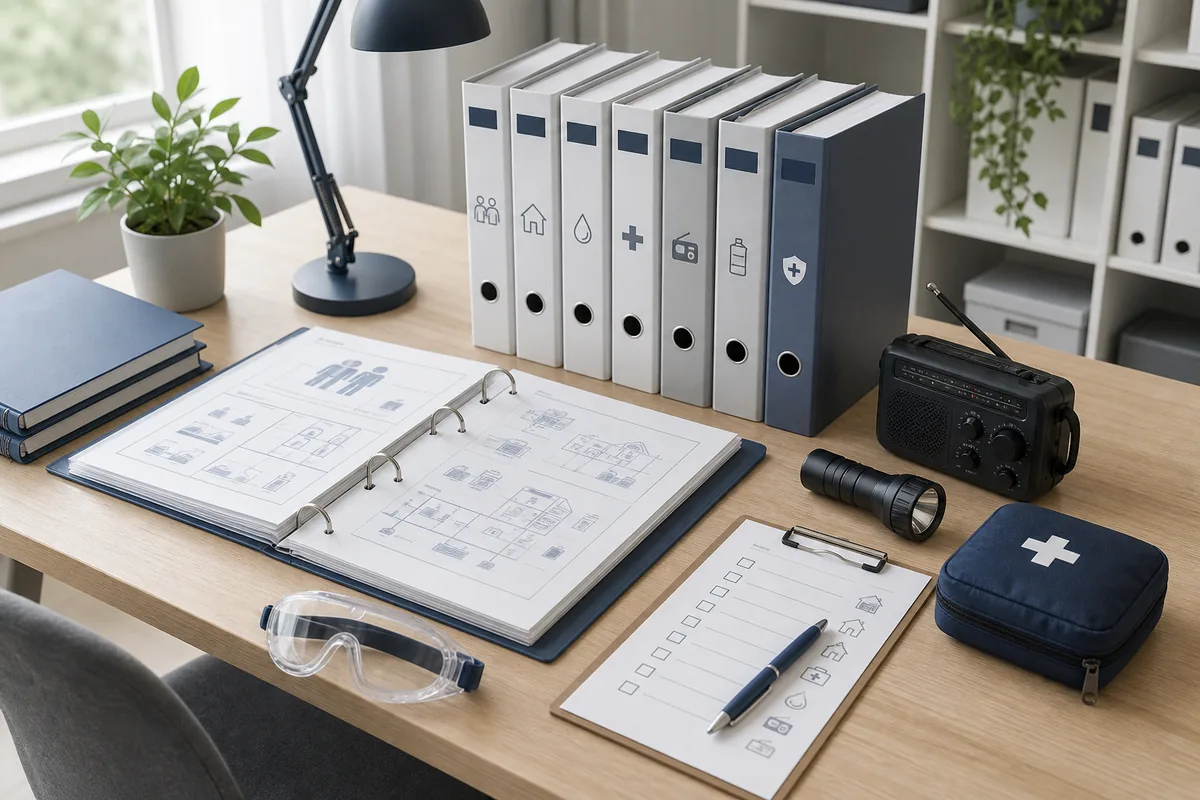
Separate supplies to rotate, devices to test with their accessories, and documents to update. A working torch does not complete the check if the spare batteries remain untested. In the inventory, record the next action instead of ticking an item merely because you own it.
| Check | What to confirm |
|---|---|
| Consumables | Dates and packaging checked; used supplies replaced. |
| Devices | Test with the actual batteries, cables and accessories. |
| Organisation | Known storage location, portable bag and current household needs. |
Water reserve and carrying load are two different calculations
French Civil Protection uses 6 litres of bottled water per person for a 72-hour kit. For four people that is 24 litres, approximately 24 kg of water excluding packaging. Sizing a reserve does not mean that this amount can be carried in a bag.
Decide separately where to keep drinking water and how much can accompany a departure, considering people, transport and instructions. Adjust for individual needs and heat; this reference does not cover all water for hygiene.
Convert the reserve into bottles
Rounded up to whole bottles. This does not validate individual needs or a safe carrying load.
| Household | 72-hour reserve | Approximate water mass |
|---|---|---|
| 1 person | 6 L | 6 kg |
| 2 people | 12 L | 12 kg |
| 4 people | 24 L | 24 kg |
Useful data at a glance
Orders of magnitude and simple controls to adapt to your situation. Local instructions always remain a priority.
Water per person
Reference to the 72-hour Civil Security kit.
Autonomy base
To adjust to heat, health and home.
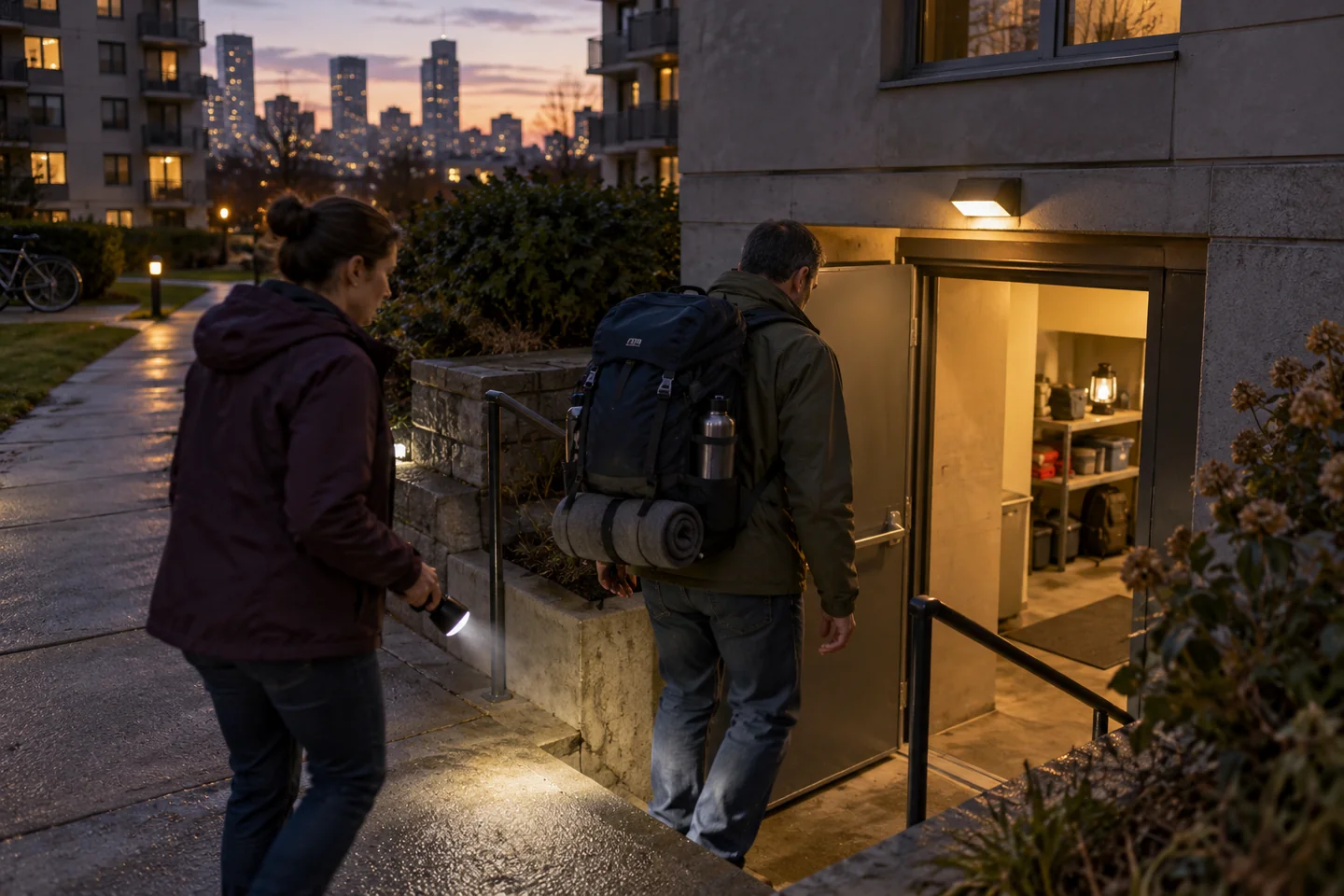
Recommended distribution
Home and departure, without a bag impossible to carry.
Quick check before you need it
- Water and simple food
- Radio, lamp, cells and battery
- Treatments, care kit and hygiene
- Copies of documents, keys and cash
- Clothing, needs of children and animals
What priority depending on the situation?
| Situation | Priority | Vigilance point |
|---|---|---|
| Staying at home | Water, radio, light and current reserve | Do not block exits with stock. |
| Quick start | Papers, treatments, keys, water and telephone | The bag must remain immediately transportable. |
| Network saturated | Short SMS and agreed meeting point | Save calls and battery. |
Recommended situations and routes
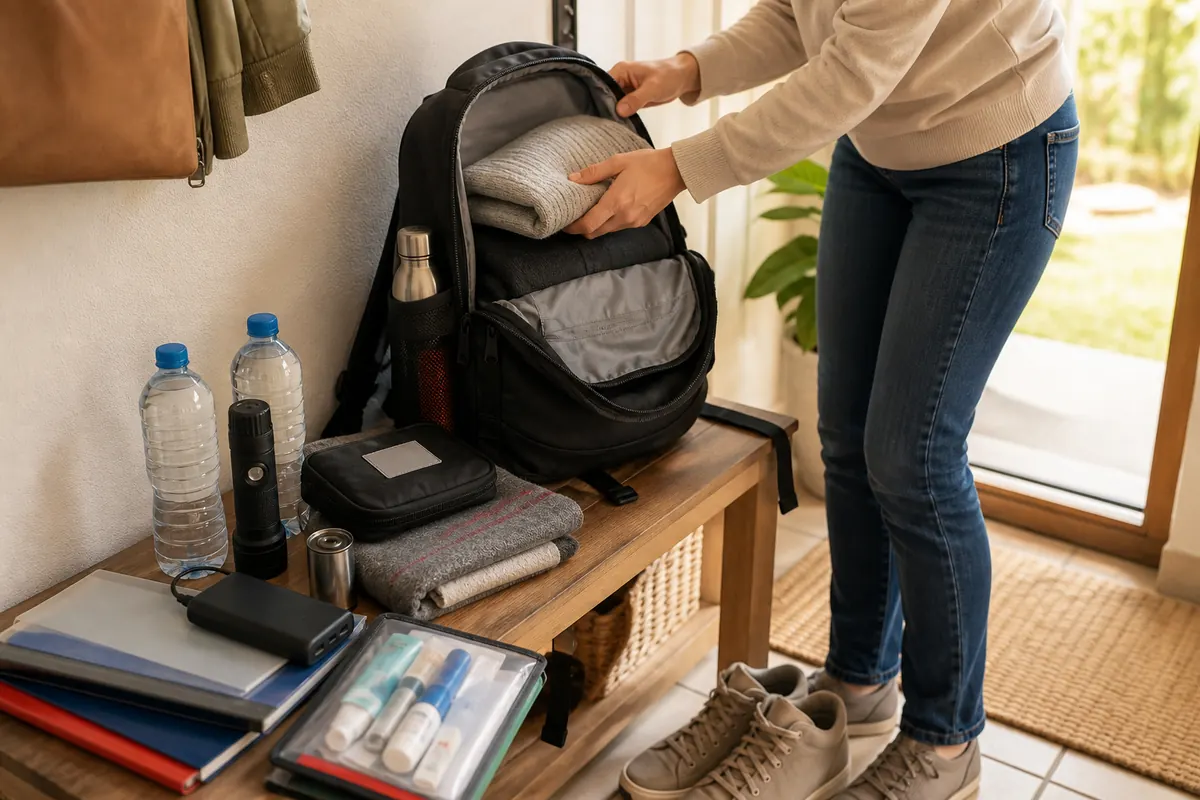
Family kit
Basic list to last 72 hours without immediately depending on a store or network.
Go deeper: Family kit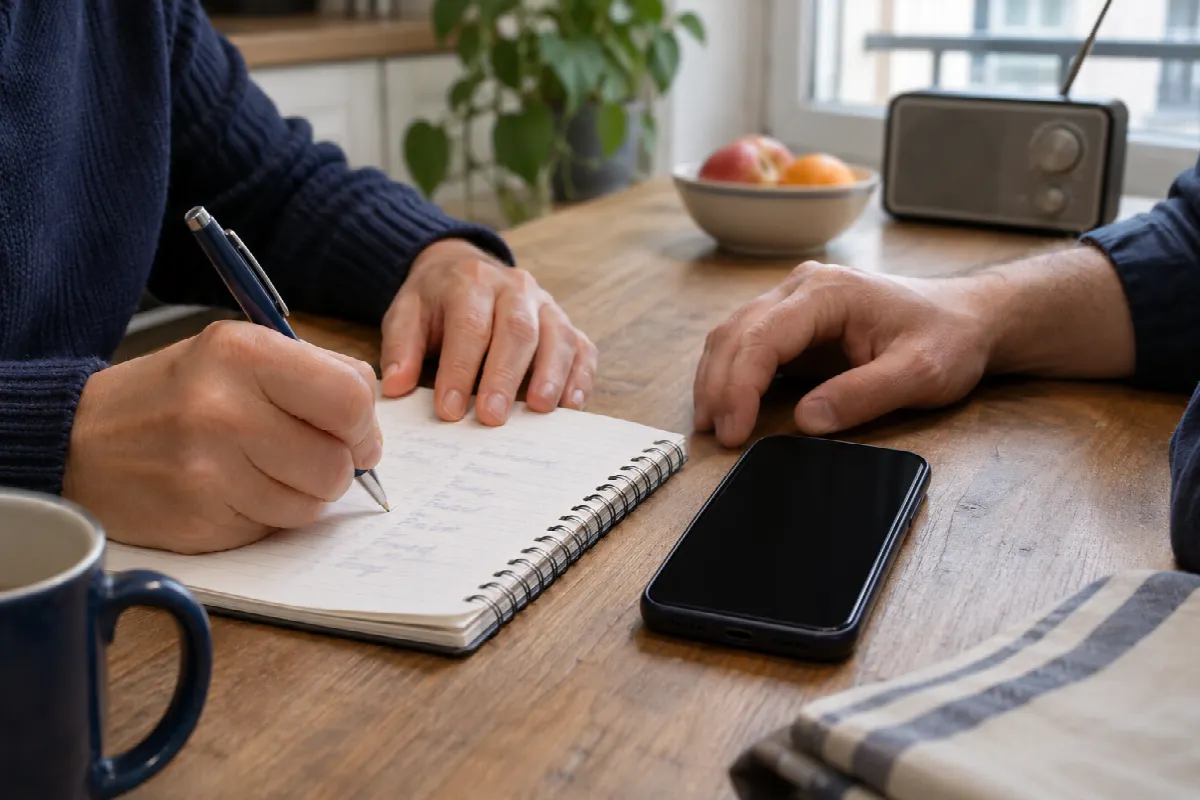
Energy autonomy
Compare lamps, batteries, radio and solutions recharge without improvising.
Deep: Energy autonomy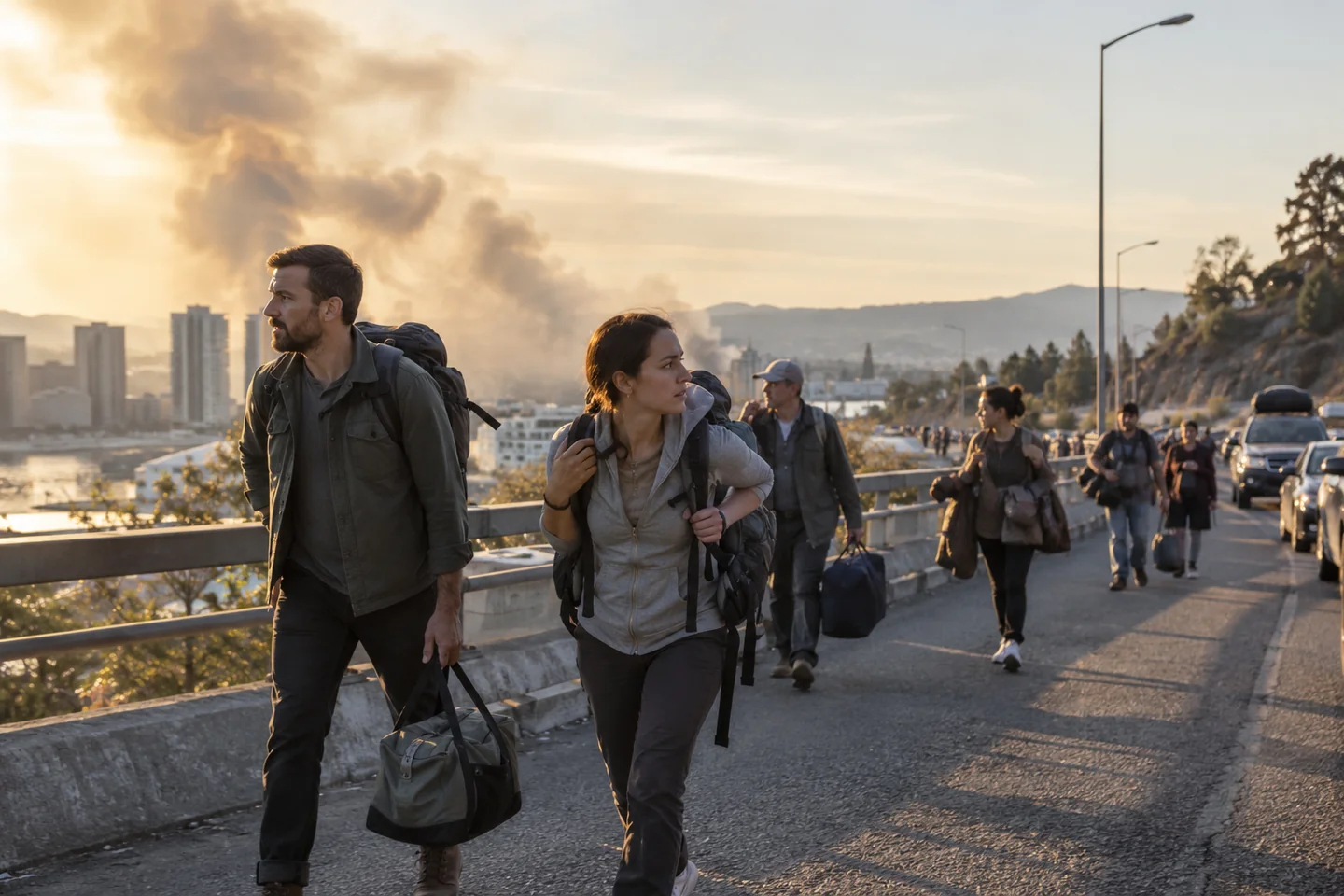
Outdoor brands
Compare camping, hiking, rescue and home equipment sites.
Deep: Outdoor signs
FAQ Useful survival
Quick responses to compare uses, limits and protection priorities.
Should you buy everything at once suddenly?
No. It is better to buy essential items gradually and test them.
How much water to plan?
Civil Security cites 6 liters per person in the 72-hour kit. Needs may vary depending on heat, health and situation.
Is survivalism necessarily extreme?
No. Here, it is about family autonomy, prevention and organization.
Should large quantities be stored?
Start with three days and rotate what you consume. A controlled, accessible and suitable reserve for housing is preferable to an excessive stock.
References used for this guide
 Civil security - 72-hour emergency kit
Family or professional preparation, short-term autonomy, radio, water, medicines, documents and regular checking of the kit.