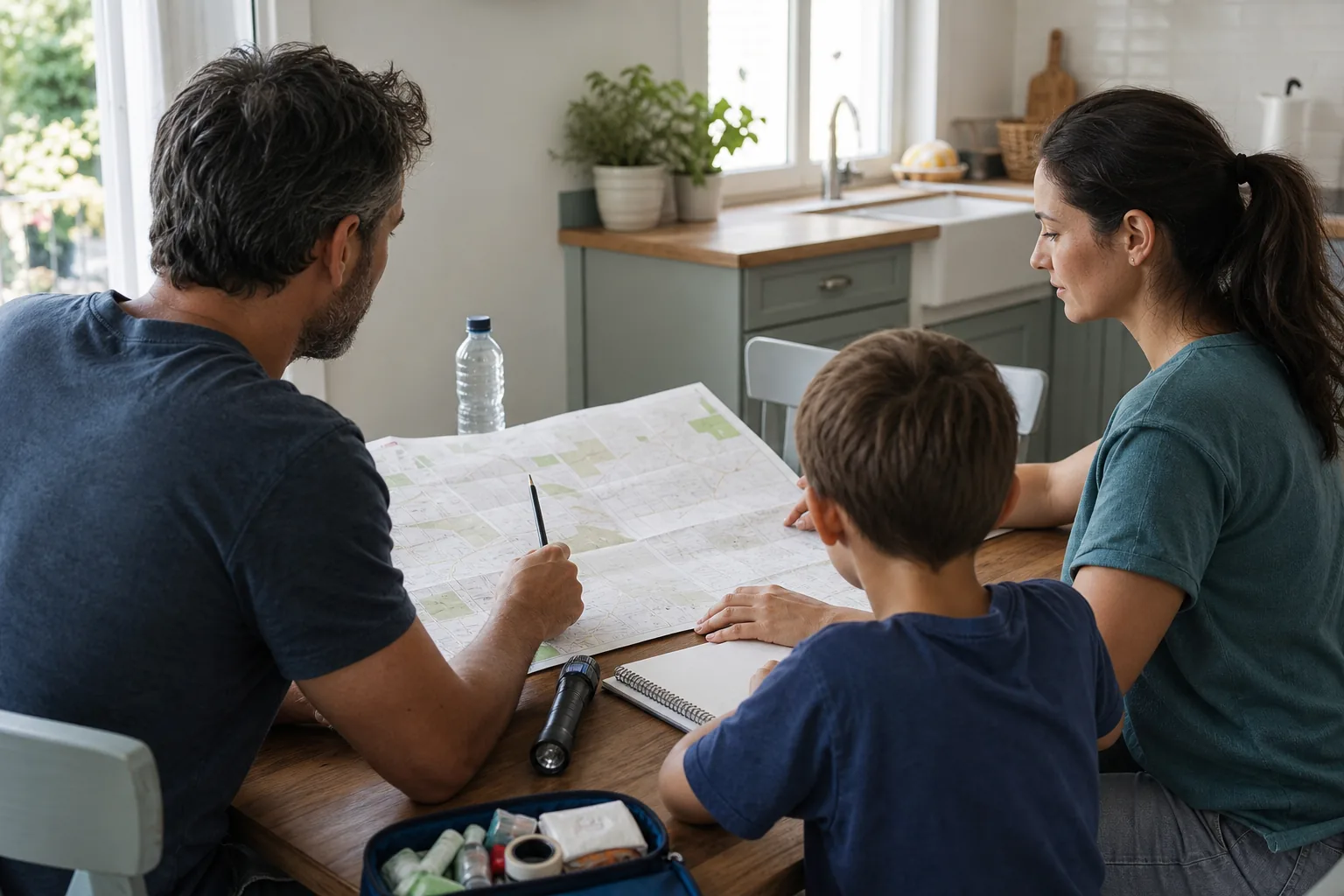
A 72-hour NRBC emergency kit must first cover the essential needs: water, food, radio, lamp, medicines, documents and charger. It can be supplemented with FFP2/FFP3 masks, gloves, glasses, hygiene, waste bags and simple procedure, without promising absolute protection.
The 72h kit is not an intervention kit
A 72-hour emergency kit is used to remain independent for a short period, to follow instructions, to light up, to drink, to keep your treatments and to leave your home if the authorities request it. It is not used to enter a contaminated area.
In an NRBC approach, we add a layer of prevention: filtering masks for particles, gloves, glasses, soap, gel, wipes, waste bags, change of clothes and family or professional conduct sheet. These elements reduce certain transfers, but do not replace distancing, confinement or evacuation on order.
The best kit is visible, dated, accessible and revised. A missing box, empty batteries or expired masks are of no use at the critical moment.
Recommended content for an NRBC base
Crisis basis: water, food not requiring cooking, battery-powered radio, spare batteries, lamp, charger, medications, first aid kit, cash, essential documents, keys, warm clothing and survival blanket.
PPE layer: a few FFP2 or FFP3 masks adapted to the sizes, gloves, glasses, hydroalcoholic gel, soap, wipes, paper towels, waste bags, zipped bags for documents or small objects, change of clothes and marker.
Procedure layer: a short sheet indicating who to call, where to meet, where the treatments are, how to turn off ventilation or sensitive inlets if requested, which official sources to listen to and when not to go out.
Adapt the kit to the people who will actually use it
A standard list gives a starting point, but it doesn't know your family or your accommodation. Add the usual treatments, copies of documents, the needs of an infant, prescription glasses, some hygiene products and what is necessary for an animal. The weight of the bag must remain bearable by the person who may have to carry it.
Organize the contents into small identified groups: health, lighting, documents, food, hygiene and protection. This organization avoids having to empty the entire bag to find a battery or a prescription. Objects used on a daily basis can be grouped nearby, with a card reminding you to take them initially.
Twice a year, open the kit with household members. Replace water and food if necessary, recharge batteries, check dates and try the radio. This very simple appointment transforms a box of equipment into a real family preparation.
Check annually, then replenish after every use
France’s Civil Security authority advises checking the kit once a year and replenishing it after use. This preparedness review does not replace expiry dates or more frequent checks specified by manufacturers.
Separate supplies to rotate, devices to test with their accessories, and documents to update. A working torch does not complete the check if the spare batteries remain untested. In the inventory, record the next action instead of ticking an item merely because you own it.
| Check | What to confirm |
|---|---|
| Consumables | Dates and packaging checked; used supplies replaced. |
| Devices | Test with the actual batteries, cables and accessories. |
| Organisation | Known storage location, portable bag and current household needs. |
Water reserve and carrying load are two different calculations
French Civil Protection uses 6 litres of bottled water per person for a 72-hour kit. For four people that is 24 litres, approximately 24 kg of water excluding packaging. Sizing a reserve does not mean that this amount can be carried in a bag.
Decide separately where to keep drinking water and how much can accompany a departure, considering people, transport and instructions. Adjust for individual needs and heat; this reference does not cover all water for hygiene.
Convert the reserve into bottles
Rounded up to whole bottles. This does not validate individual needs or a safe carrying load.
| Household | 72-hour reserve | Approximate water mass |
|---|---|---|
| 1 person | 6 L | 6 kg |
| 2 people | 12 L | 12 kg |
| 4 people | 24 L | 24 kg |
Your starting point for a 72-hour kit
French civil protection guidance uses 6 litres of bottled water per person for the kit as a starting point. Heat, health and other uses may require more. An evacuation bag must remain carryable.
Enter an integer from 1 to 50. This calculation excludes water for animals, cooking and hygiene.
Bottled water: 6 L · People: 1 · 72 h.
Checks completed: 0 / 8.
The calculation and checkboxes stay on this page: no data is sent or saved. Without JavaScript, the reference information and list remain available.
Source: French civil protection emergency kit · Maintain and test the kit (French)
Useful data at a glance
Orders of magnitude and simple controls to adapt to your situation. Local instructions always remain a priority.
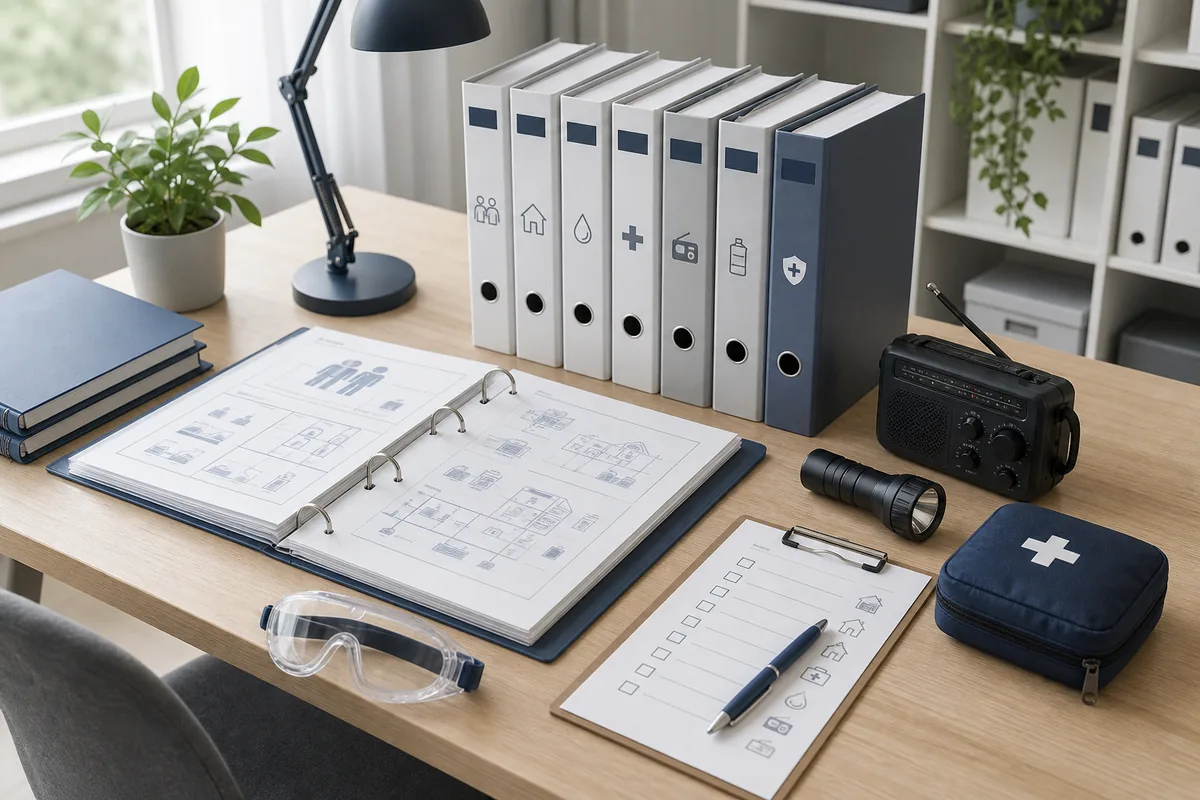
Water per person
Starting point for three days.
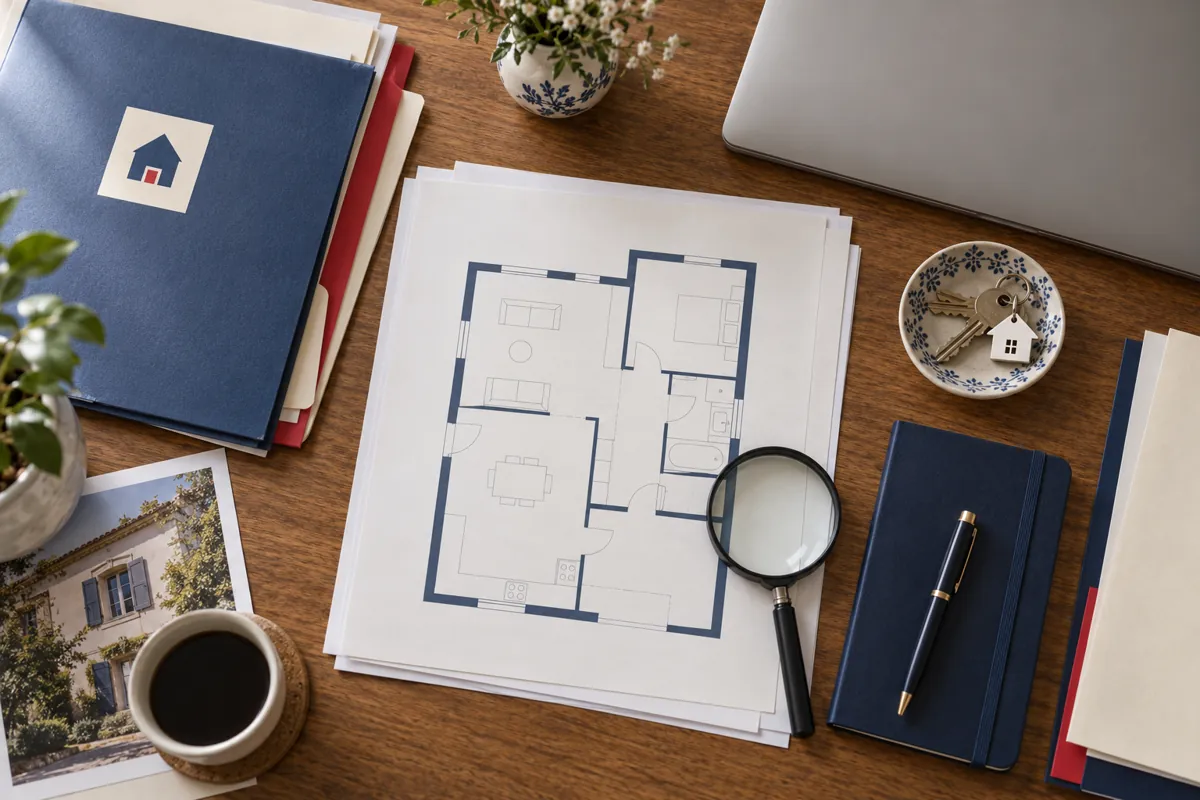
Organization of the kit
Water, energy, health, documents and departure.
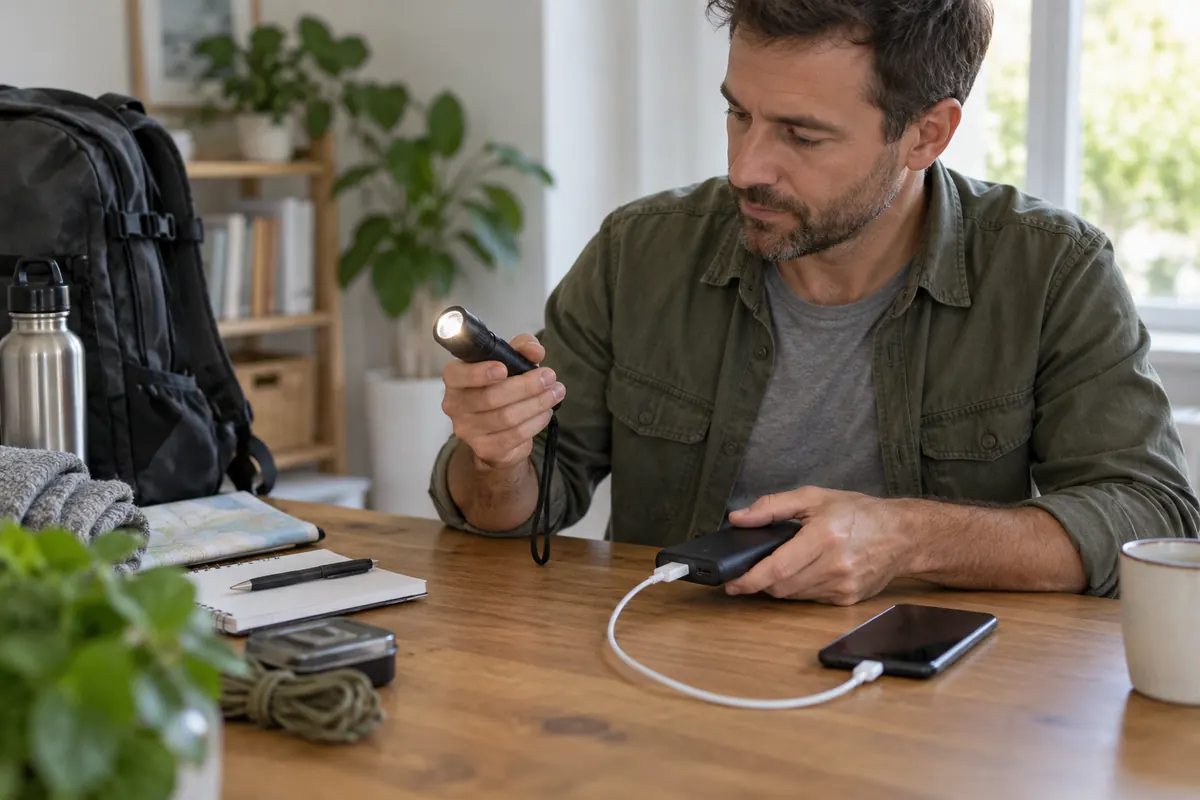
Revision
Turn, recharge, try and adapt.
Quick check before you need it
- Size for all people
- Distribute the weight between several bags
- Protect papers and devices from water
- Label control dates
- Keep the kit accessible without blocking the exit
Recommended situations and routes
Home
An easily accessible bag, a family sheet and consumables to avoid unnecessary outings.
Go deeper: Home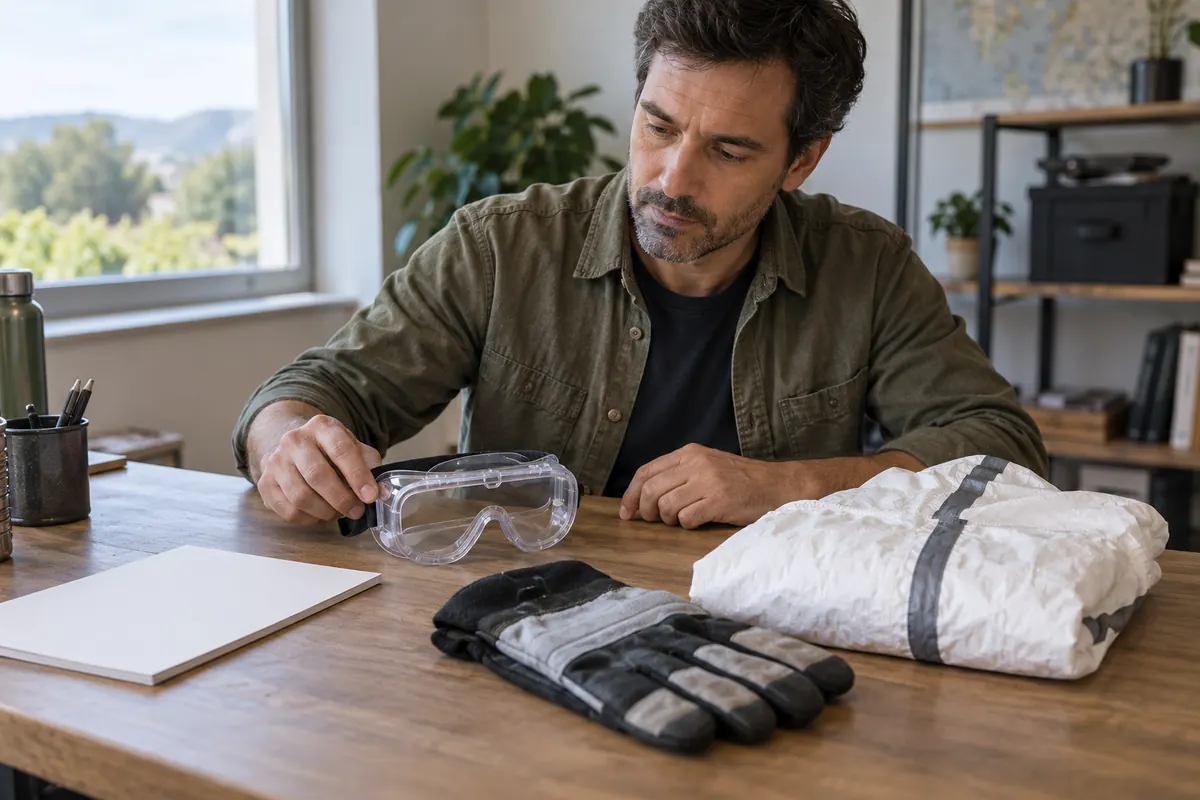
Company
A controlled stock, multiple sizes, a referent, a displayed procedure and a verification register.
Go deeper: Business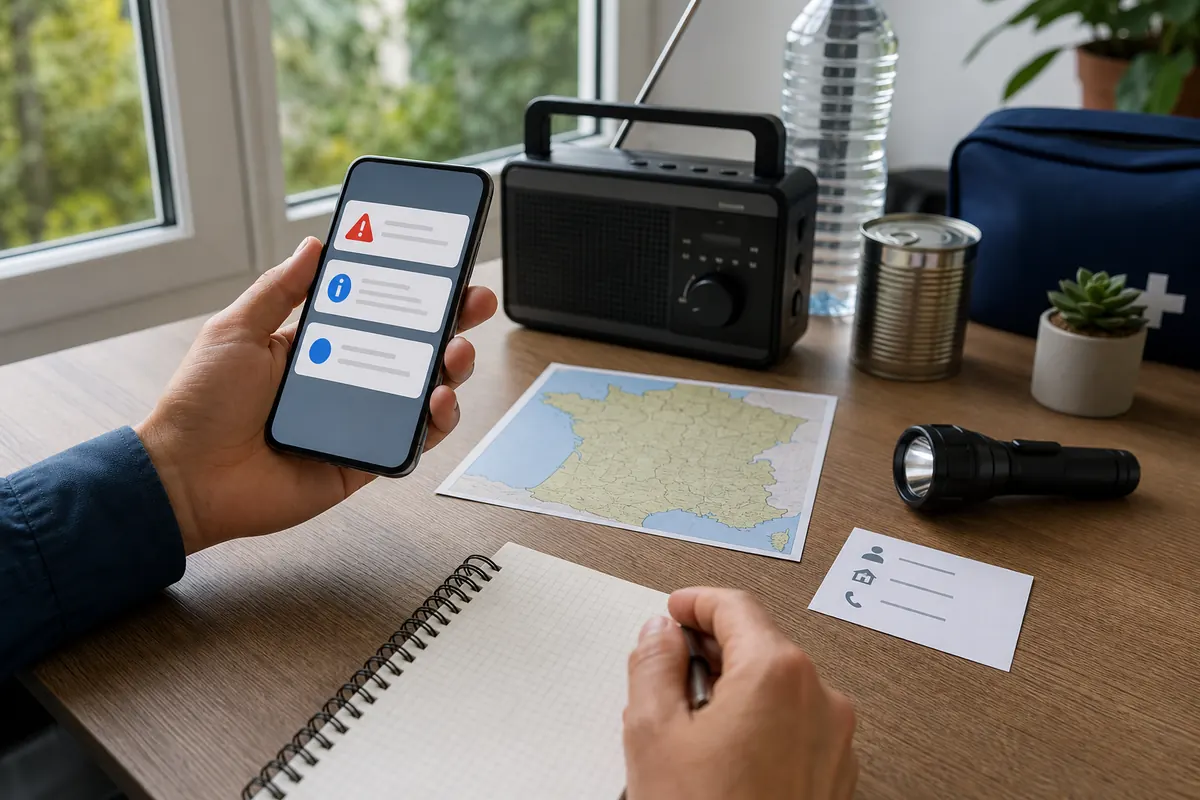
Collectivity or ERP
Prepare information, distribution, vulnerable audiences and coordination with official instructions.
Deep: Community or ERP
FAQ 72-hour emergency kit
Quick responses to compare uses, limits and protection priorities.
How long should a 72-hour kit cover?
It generally aims for three days of autonomy, while help and instructions are organized.
Should PPE be included in a family kit?
Yes, reasonably: masks, gloves, glasses, hygiene and bags can reduce certain contacts or transfers.
How often to check the kit?
At least once a year, and after each use, by checking batteries, dates, medications, sizes and condition of equipment.
Where to store the 72-hour kit?
In a dry, visible and quickly accessible place, near an exit if possible, but out of reach of young children for medicines and sensitive objects.
References used for this guide
 Civil security - 72-hour emergency kit
Family or professional preparation, short-term autonomy, radio, water, medicines, documents and regular checking of the kit.
Civil security - Industrial accident
Instructions for sheltering, closing openings, stopping ventilation and listening to the authorities in the event of an industrial accident.
Civil security - Nuclear accident
Preparation, containment, evacuation on order and iodine intake only according to official instructions.
 INRS - Protective equipment individual
Reminder that PPE complements risk elimination or reduction measures and must be adapted to the work context.