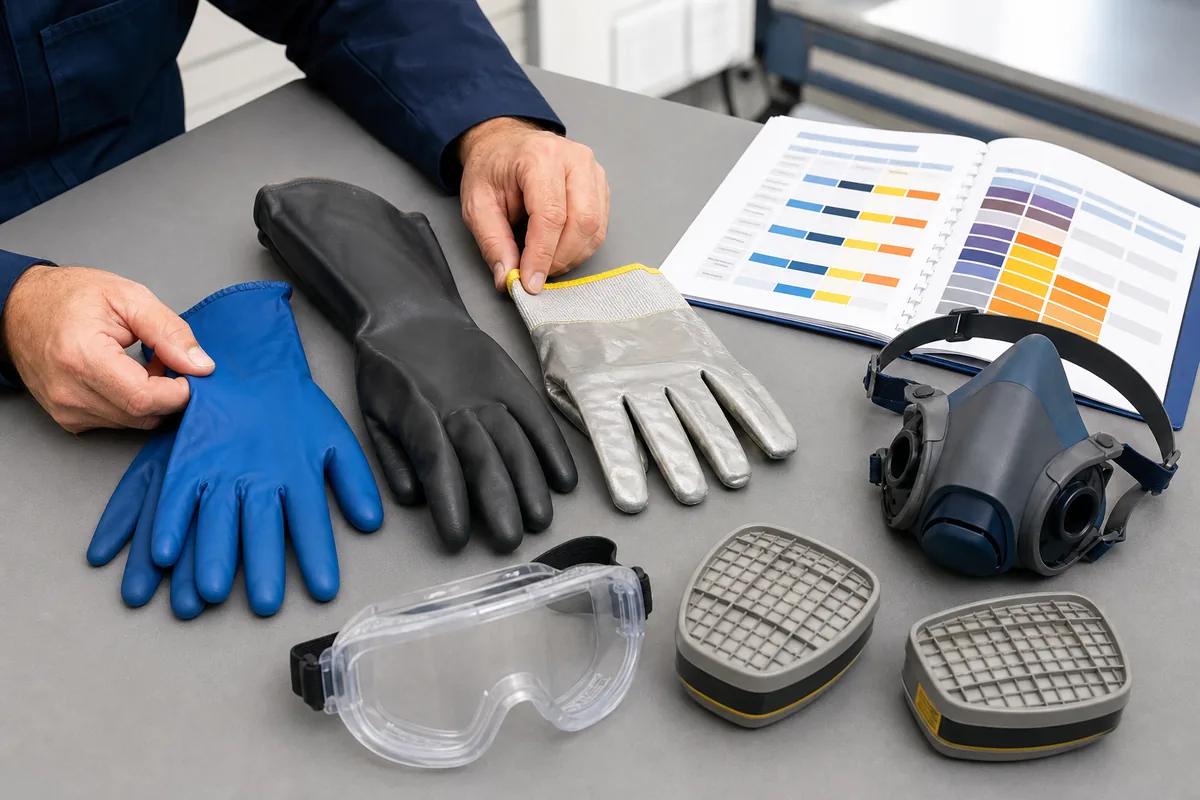
A chemical risk must be treated based on the substance, the route of exposure and the compatibility of PPE. An FFP2 does not protect against a gas, gloves must be chosen according to the product, and an unknown atmosphere requires distance and alert.
Chemical risk begins with identification
A chemical risk can come from a gas, a vapor, an aerosol, a corrosive liquid, a solvent, a pesticide, fire smoke, a concentrated household product, from an industrial release or an unknown atmosphere. The effects depend on the substance, concentration, exposure time and route of entry into the body.
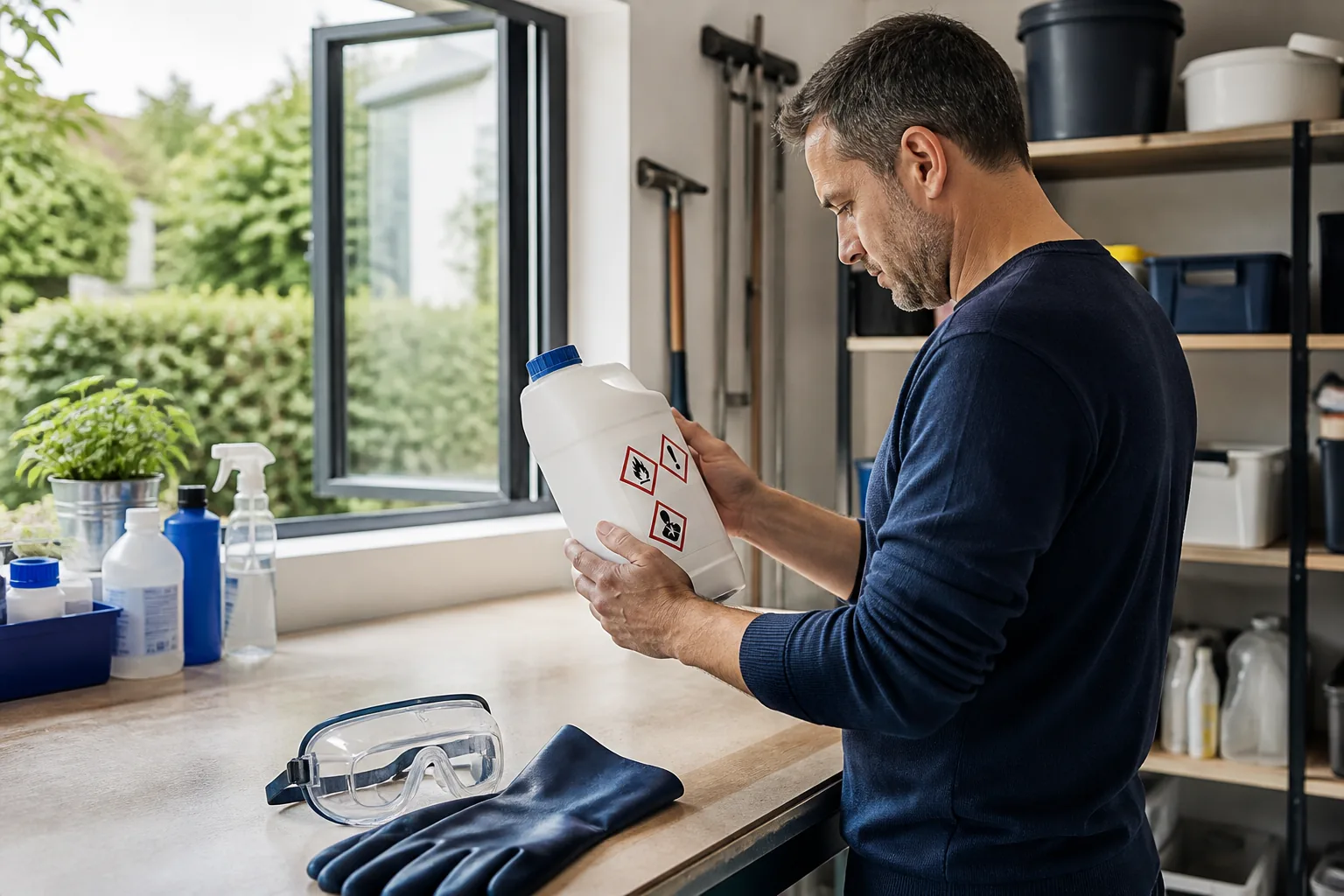
The priority routes of exposure are inhalation, skin contact, eye contact, accidental ingestion and contamination of clothing. A poorly chosen mask or gloves can give a false sense of security. The safety data sheet, labeling, context and instructions from the authorities must guide the response.
CBRN DEFENSE SYSTEMS treats the chemical risk from a defensive angle: move away, alert, protect the respiratory tract only when the equipment is suitable, avoid contact with the substance, isolate contaminated clothing and prepare simple decontamination of surfaces when this is authorized.
Choose PPE according to the scenario
Respiratory protection depends on the contaminant. Particulate filters do not automatically protect against gases and vapors. A half-mask or full-face mask must be combined with cartridges adapted to the type of substance, concentration and duration of use.
Gloves must be chosen according to chemical compatibility. Nitrile, neoprene, butyl or other materials do not have the same resistance. For projections, goggles, face shield, apron or coveralls may be necessary. Contaminated clothing should be removed carefully to avoid transfer.
Chemical decontamination for the general public remains limited: ventilation, avoidance of contact, abundant rinsing with water in certain cases, separation of waste and cleaning of surfaces depending on the nature of the product. Industrial, unknown or toxic situations are subject to professional procedures.
Observe remotely and transmit the right information
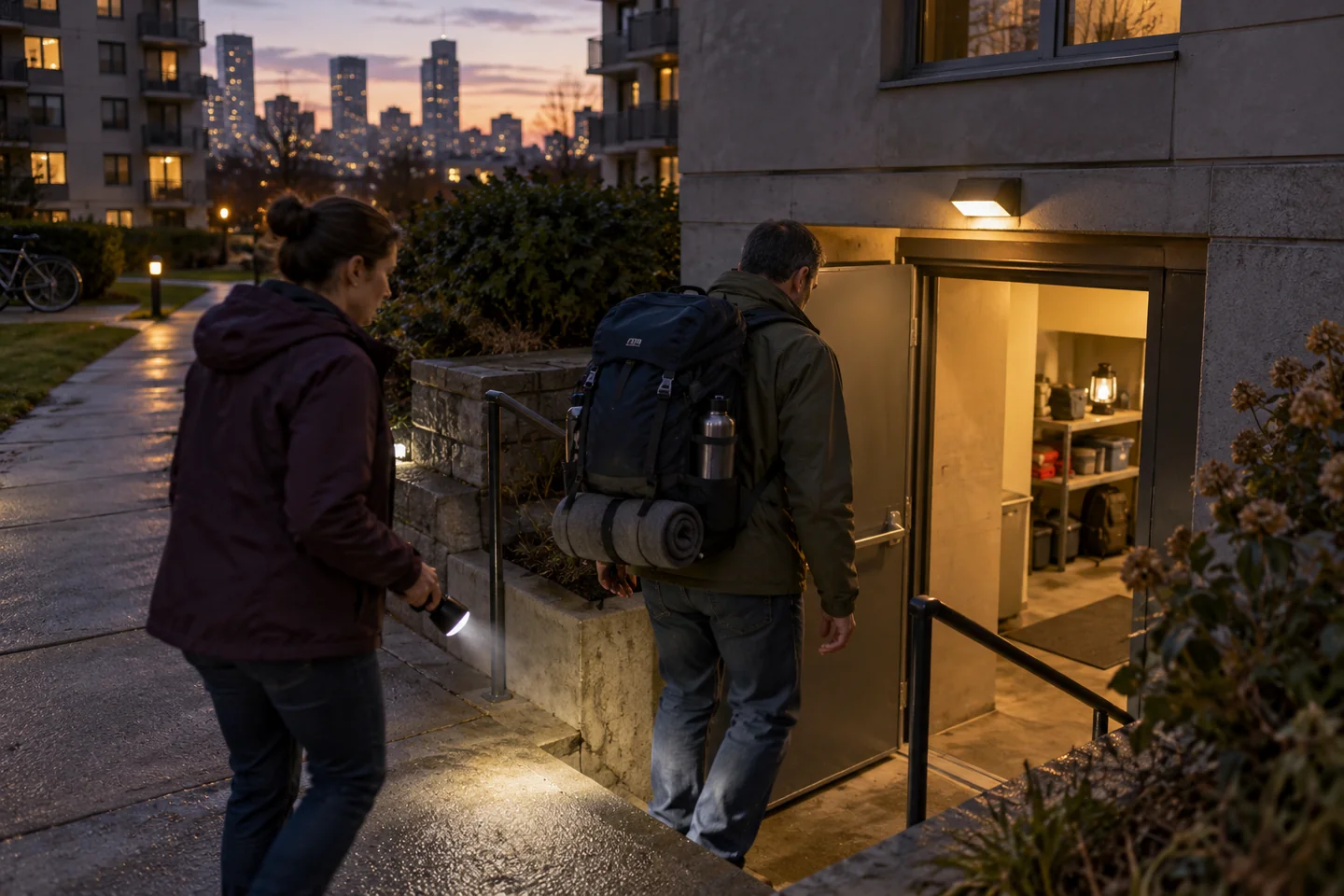
Faced with an unusual odor, a cloud, a leak or a damaged container, do not try to identify the product closely. Move away, avoid low-lying areas if requested by authorities, and prevent others from approaching. A photograph taken from a safe distance or the reference of a vehicle can sometimes help the emergency services, but never at the cost of exposure.
When calling, indicate the exact location, what you see, the number of people affected and any symptoms. Do not touch a product to check its nature and do not attempt to neutralize it with another product. Specialized services have suitable means of identification and protection.
In a company, prevention involves labeling, safety data sheets, compatible storage, ventilation and training. The PPE arrives after these measures and must correspond to the planned task, the product and the exposure time.
Chemical gloves: three failure mechanisms
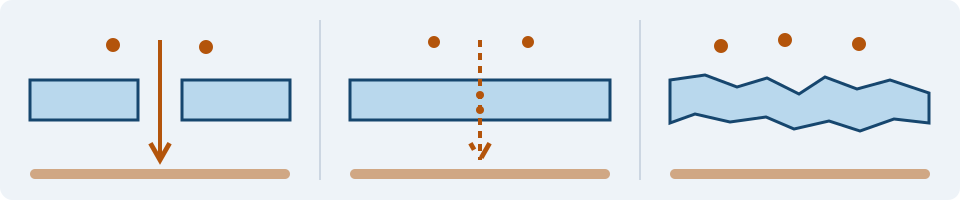
A chemical can pass through a glove with no visible hole. Penetration, permeation and degradation describe different processes; a visual inspection cannot verify the full protection.
Ask for results for the exact glove model, chemical and concentration. Laboratory breakthrough time is not a guaranteed wearing time for the actual task: temperature, flexing and glove condition also matter.
| Process | What happens | What to examine |
|---|---|---|
| Penetration | Passage through a hole, seam or imperfection. | Integrity and test results for the model. |
| Permeation | Molecular diffusion through the material. | Breakthrough time and permeation rate for the tested chemical. |
| Degradation | Physical changes: swelling, hardening, cracking… | Chemical compatibility and replacement criteria. |
Useful data at a glance
Orders of magnitude and simple controls to adapt to your situation. Local instructions always remain a priority.

Facing the unknown
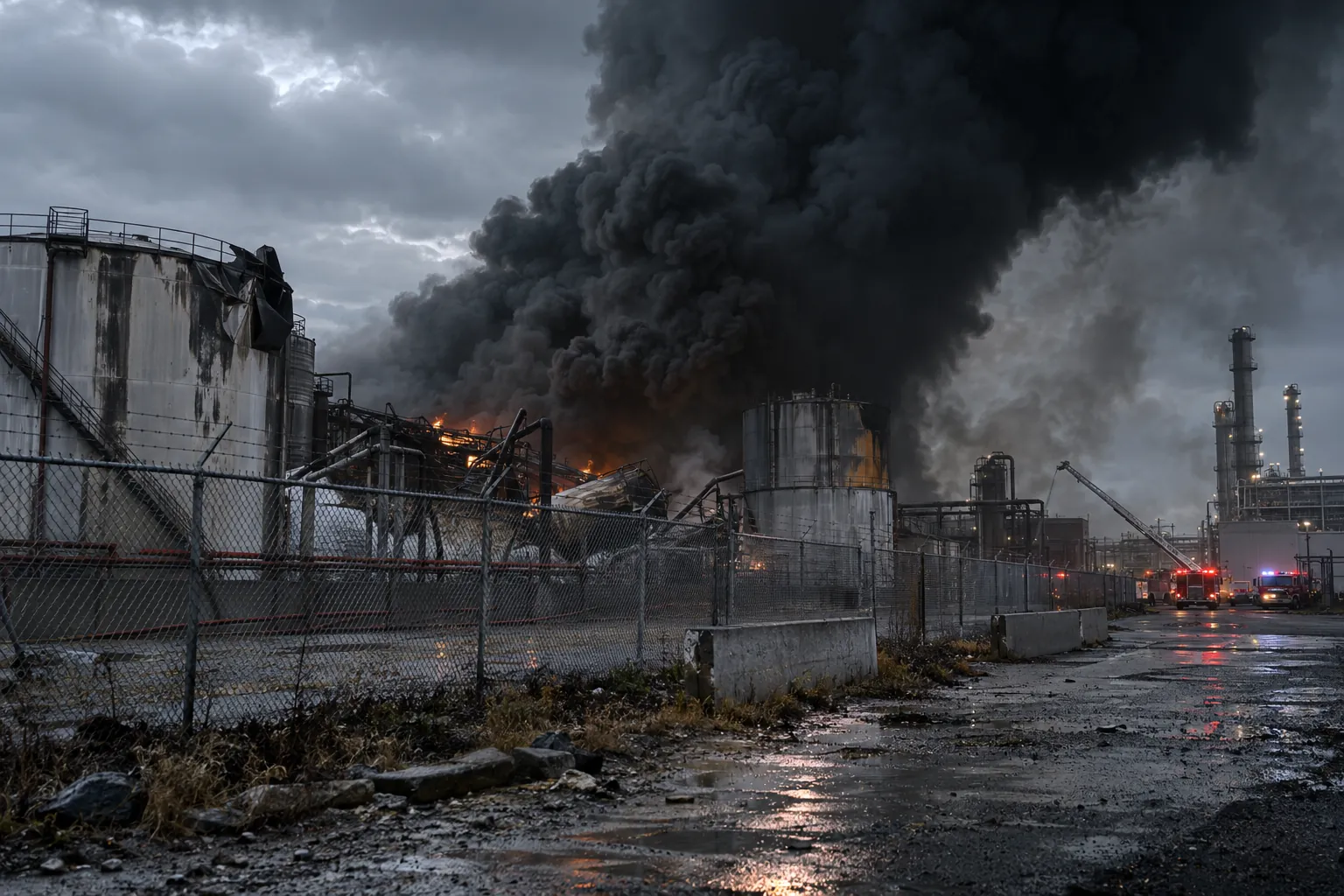
Distance, access ban, alert.

By product at work
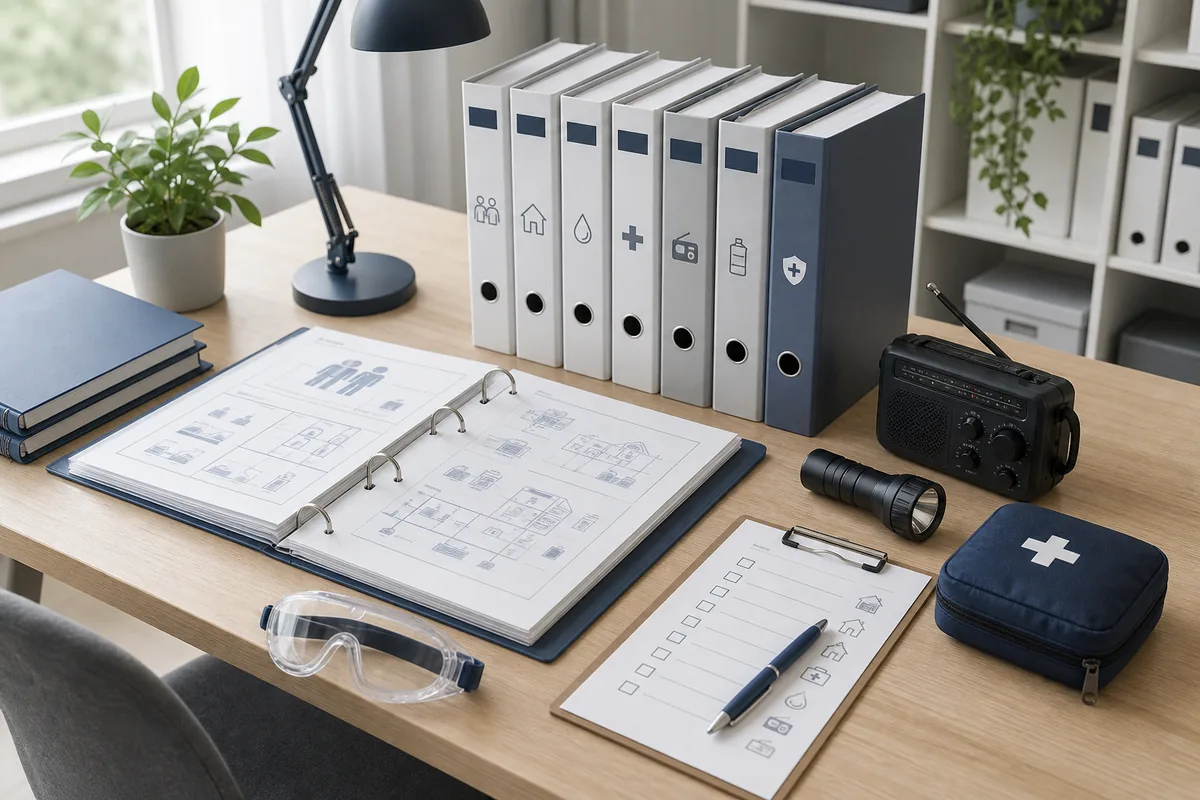
Storage and protection guide sheet.
Improvised neutralization
Two products can create a dangerous gas.
Quick check before you need it
- Read the label without getting too close
- Spot the wind and stay away
- Transmit location, symptoms and number of people
- Do not touch or sniff the product
- Wait for the teams specialized
Recommended situations and routes
Irritant or corrosive product
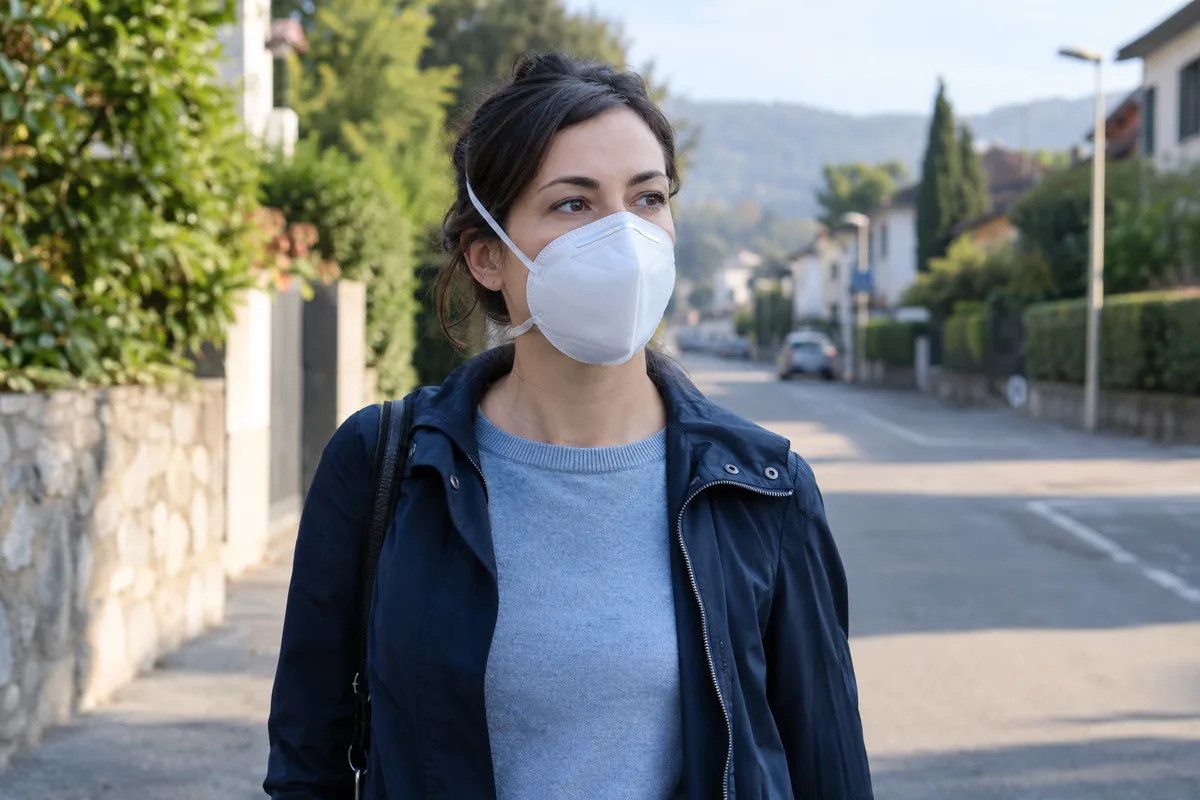
Priority to the eyes, skin and distance. Goggles, compatible gloves and protective clothing can reduce splashes, but the choice depends on the substance.
Find out more: Irritant or corrosive product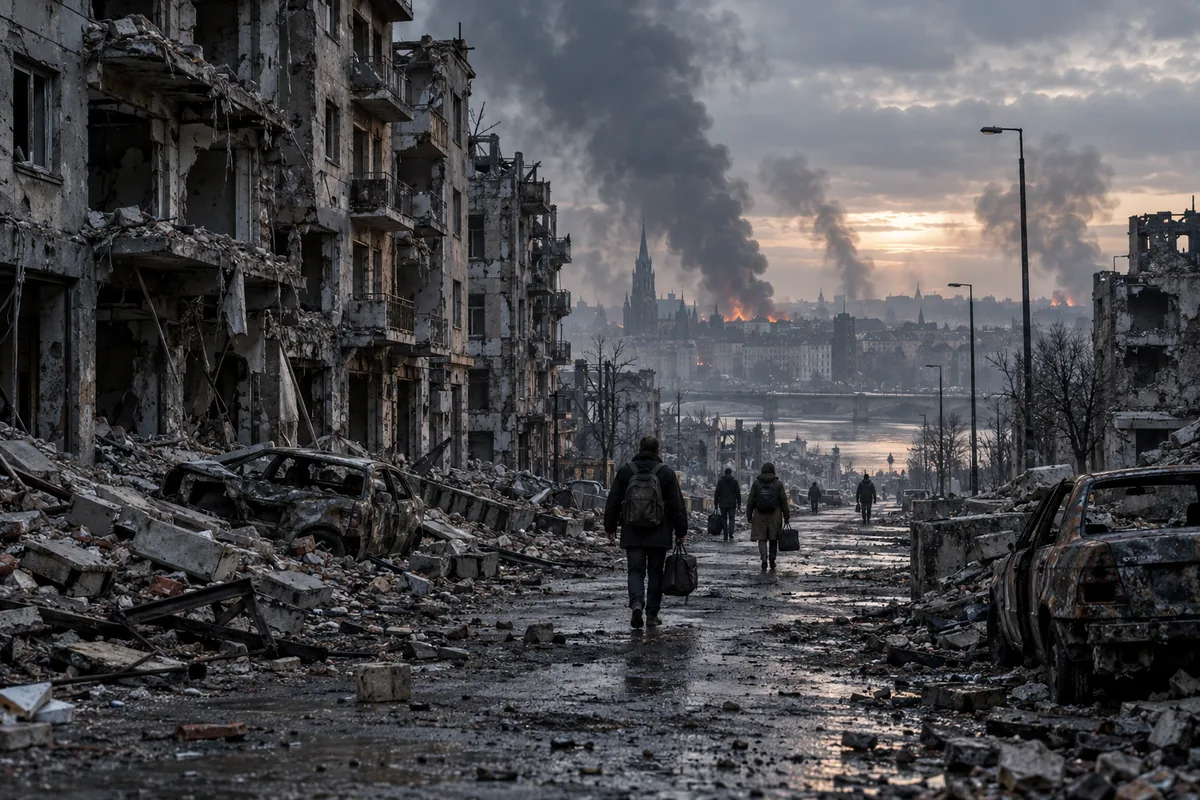
Steam or unknown atmosphere
Do not intervene without identification. Cartridges must match the contaminant; a particle filter alone is not enough against a gas.
Deep deeper: Vapor or unknown atmosphere
Contaminated surface
Limit the area, avoid contact, use suitable gloves and follow the product sheet before any cleaning or waste.
Deep: Surface contaminated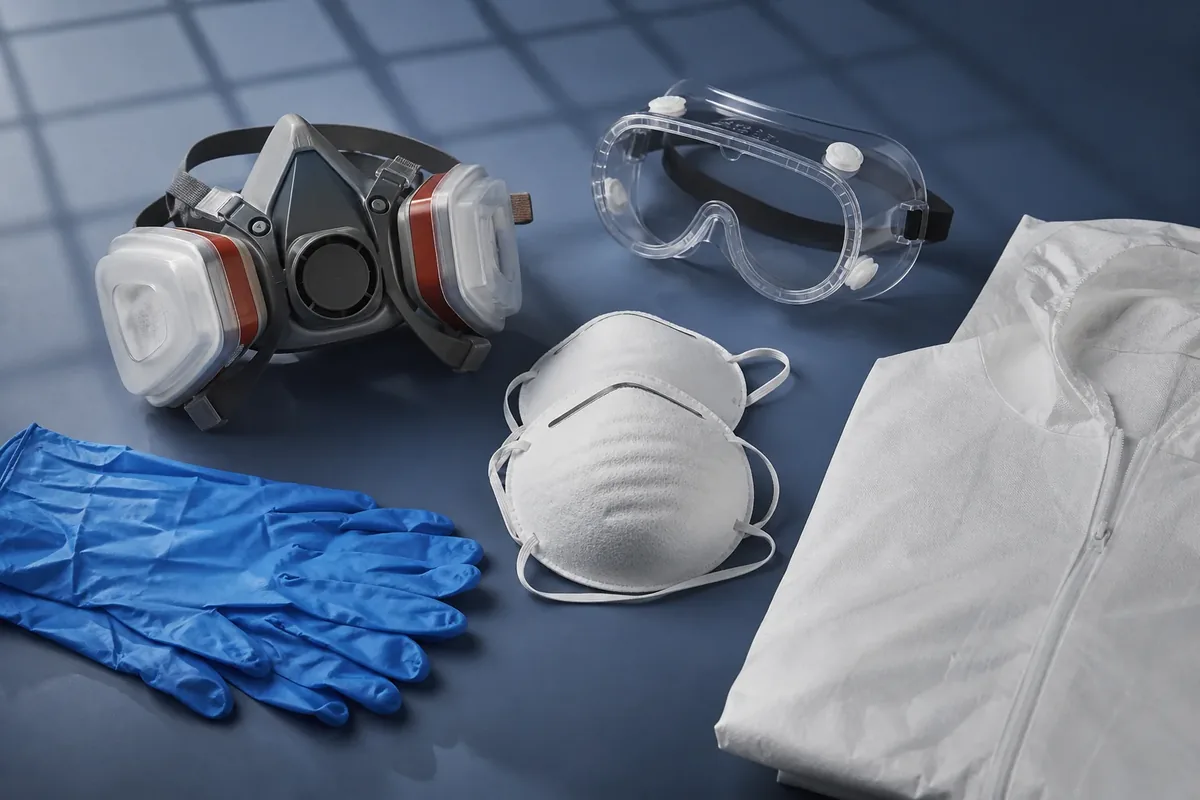
FAQ Chemical risk
Quick responses to compare uses, limits and protection priorities.
Does an FFP2 protect against a chemical gas?
No. An FFP2 is a filtering mask against certain particles. Gases and vapors require suitable cartridges, chosen according to the substance and concentration.
Which gloves to choose for a chemical product?
The choice depends on the compatibility of the material with the substance. The safety data sheet must guide the choice, because a common glove can deteriorate quickly.
What to do in the event of an unknown substance?
Move away, prevent access to the area, alert emergency services and follow official instructions. You should not improvise an intervention with unidentified equipment.
What to do when faced with an unknown chemical?
Stay away, prevent access, avoid any flame or handling and call for help. Do not rely on a mask or generic gloves.
References used for this guide
 INRS - Individual protection against chemical risks
Choice of chemical PPE after risk assessment, limits of protection and need for suitable gloves, glasses, clothing or respiratory devices.
INRS - Protective equipment individual
Reminder that PPE complements risk elimination or reduction measures and must be adapted to the work context.
 Civil security - Industrial accident
Instructions for sheltering, closing openings, stopping ventilation and listening to the authorities in the event of an industrial accident.
Civil security - Transport of dangerous materials
Reflexes when faced with an accident transporting dangerous materials: distancing, shelter, closing vents and respecting instructions.

Explore more CBRN guides