
Water, energy and communication are the three pillars of a useful kit: water storage, possible filtration, lamps, batteries, radio and organization of contacts.
Water before gadgets
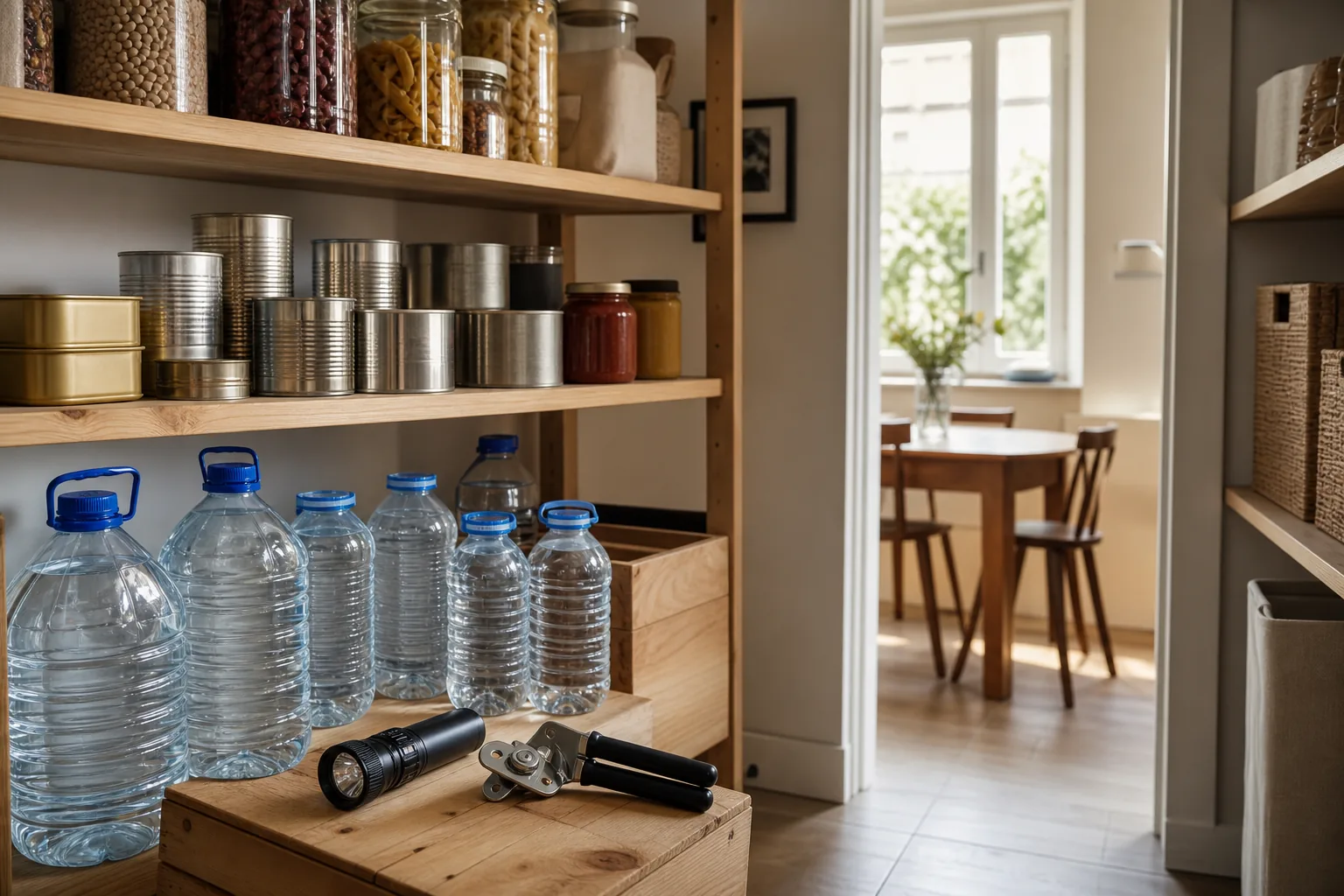
The water reserve is the first station to be treated. A distinction must be made between stored water, transported water, additional filtration and disinfection depending on the uses. For a buying guide, the criteria are capacity, robustness, ease of rotation and food compatibility.
Filters and tablets can supplement, but do not replace an accessible reserve. The reader should understand that not all devices treat the same contaminants.
Overseas, rural areas, collective housing and large families require different decisions.
Energy and communication
A reliable lamp, several lighting sources, batteries, an external battery and a battery-powered radio or crank cover most short cuts.
Portable batteries are compared on actual capacity, connectivity, charging time, safety, size and expected use. Heavier solutions must remain compatible with safe domestic use.
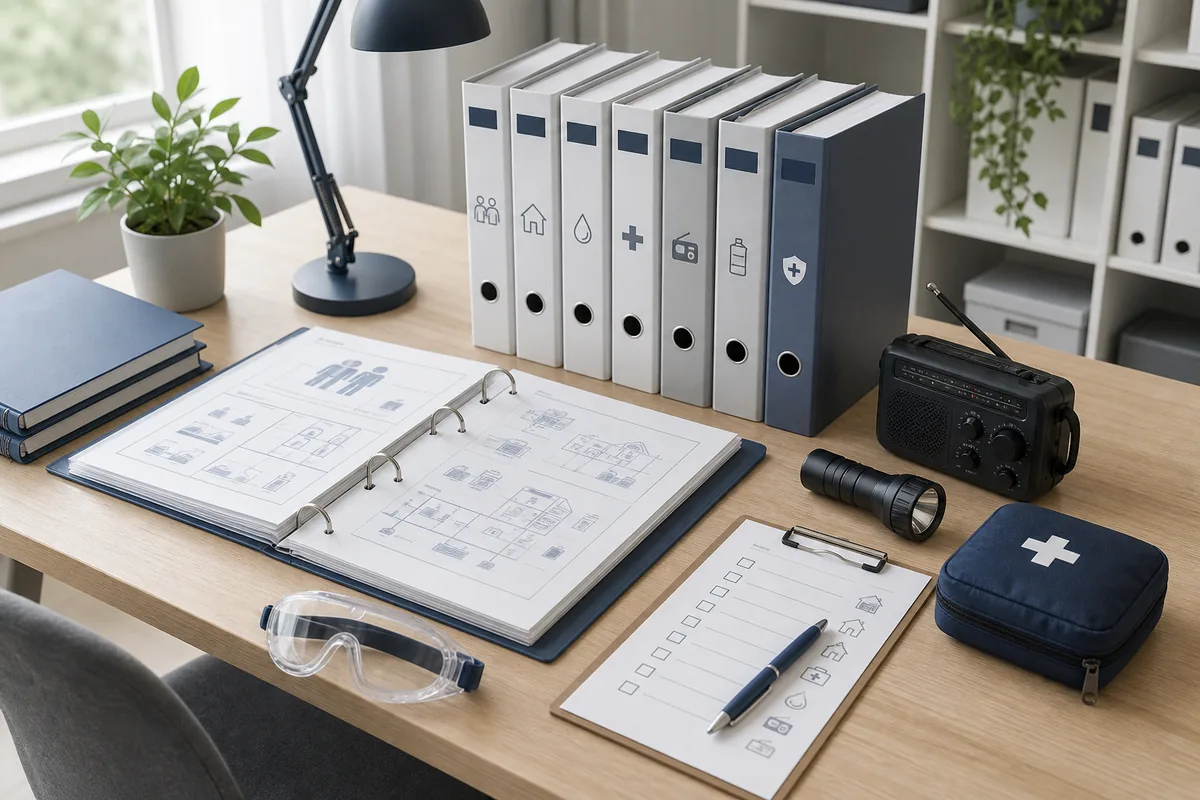
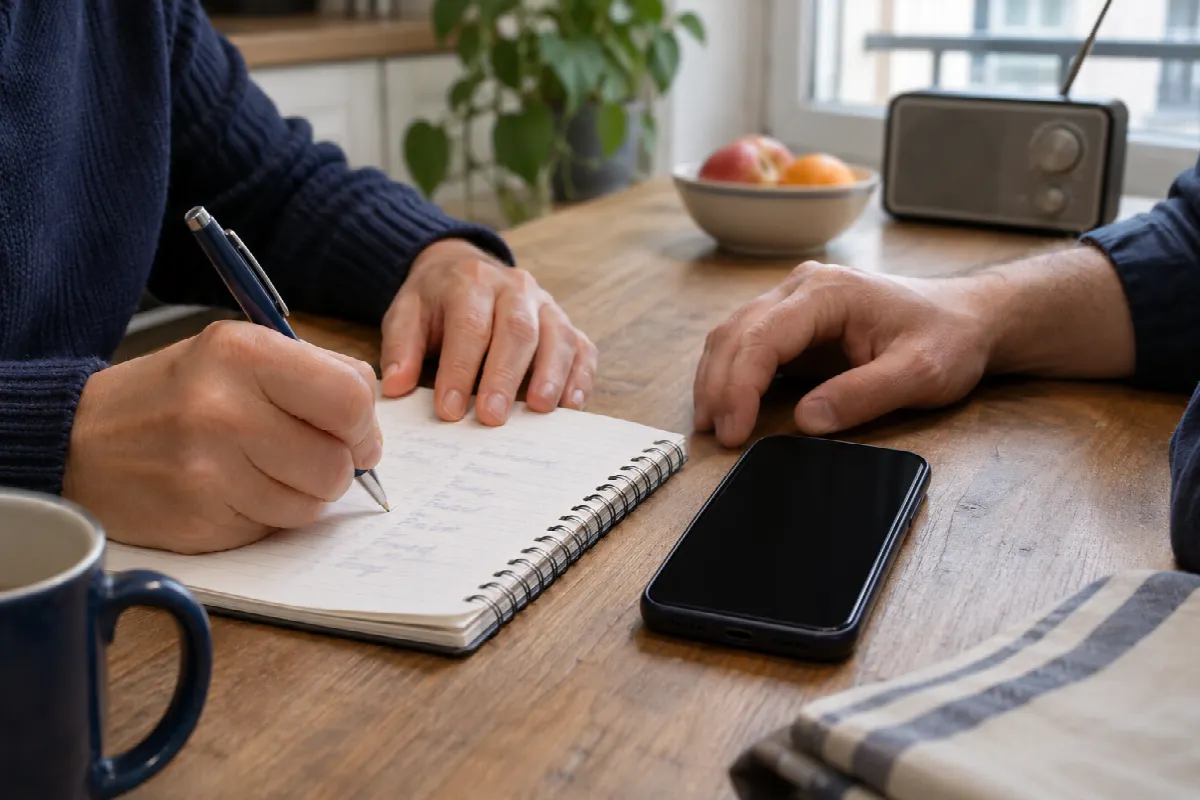
Family communication must be written: numbers, meeting point, simple instructions, trusted neighbors and vulnerable people to contact.
Size reserves without complicating accommodation
Start by measuring what the household actually uses during a day. This observation helps predict water, charging needs and priority devices. Store water in containers intended for this use, away from heat and light, then replenish it according to the manufacturer's instructions.
For energy, list what absolutely must work: lighting, telephone, radio or medical device. A small, well-maintained battery may be sufficient for communications, while a generator requires fuel, outdoor use and strict rules against carbon monoxide. Never use it in a home, garage or near an opening.
Communication deserves a paper plan. Write down the numbers, the useful frequencies if you are using a radio, the meeting point and the person responsible for transmitting the news. During network saturation, a short message sometimes goes through better than a long call.
Useful data at a glance
Orders of magnitude and simple controls to adapt to your situation. Local instructions always remain a priority.
Priority energy
Illuminate, listen and communicate.
Essential contacts
Numbers and appointments accessible offline.

Indoor group
A generator always remains outside.
Quick check before you need it
- Measure actual daily consumption
- Store water in food containers
- Recharge and label the batteries
- Conserver les contacts utiles sur papier
- Allow cables, batteries and compatible formats
Recommended situations and routes

Power outage
Lamps, batteries, radio, chargers and printed instructions.
Deep deeper: Power cut
Water interrupted
Reserve, rotation, food containers and additional filtration.
Probe: Interrupted water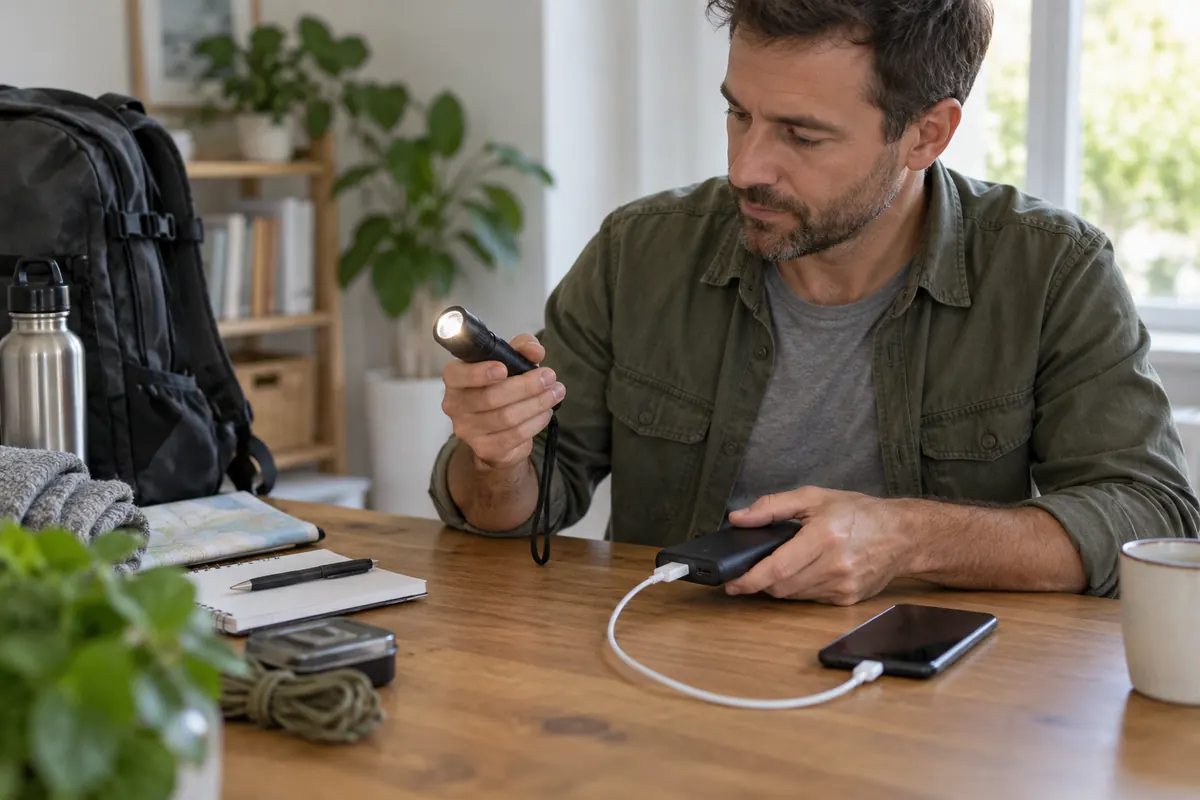
Compare sellers
Outdoor, DIY, portable energy and first aid.
Deep: Compare sellers
Autonomy FAQ
Quick responses to compare uses, limits and protection priorities.
Do you need a generator?
Not necessarily. For many homes, lamps, batteries and radio already cover basic needs.
Does a filter make all water drinkable?
No. Filters do not all have the same perimeter. You must read the technical data sheets.
Why an x-ray?
Because it can remain useful when the telephone, Internet or social networks become unavailable.
Which devices should be recharged as a priority?
The main telephone, an external battery, the radio if it is rechargeable and any essential medical device. Save leisure uses for later.
References used for this guide
 Civil security - 72-hour emergency kit
Family or professional preparation, short-term autonomy, radio, water, medicines, documents and regular checking of the kit.