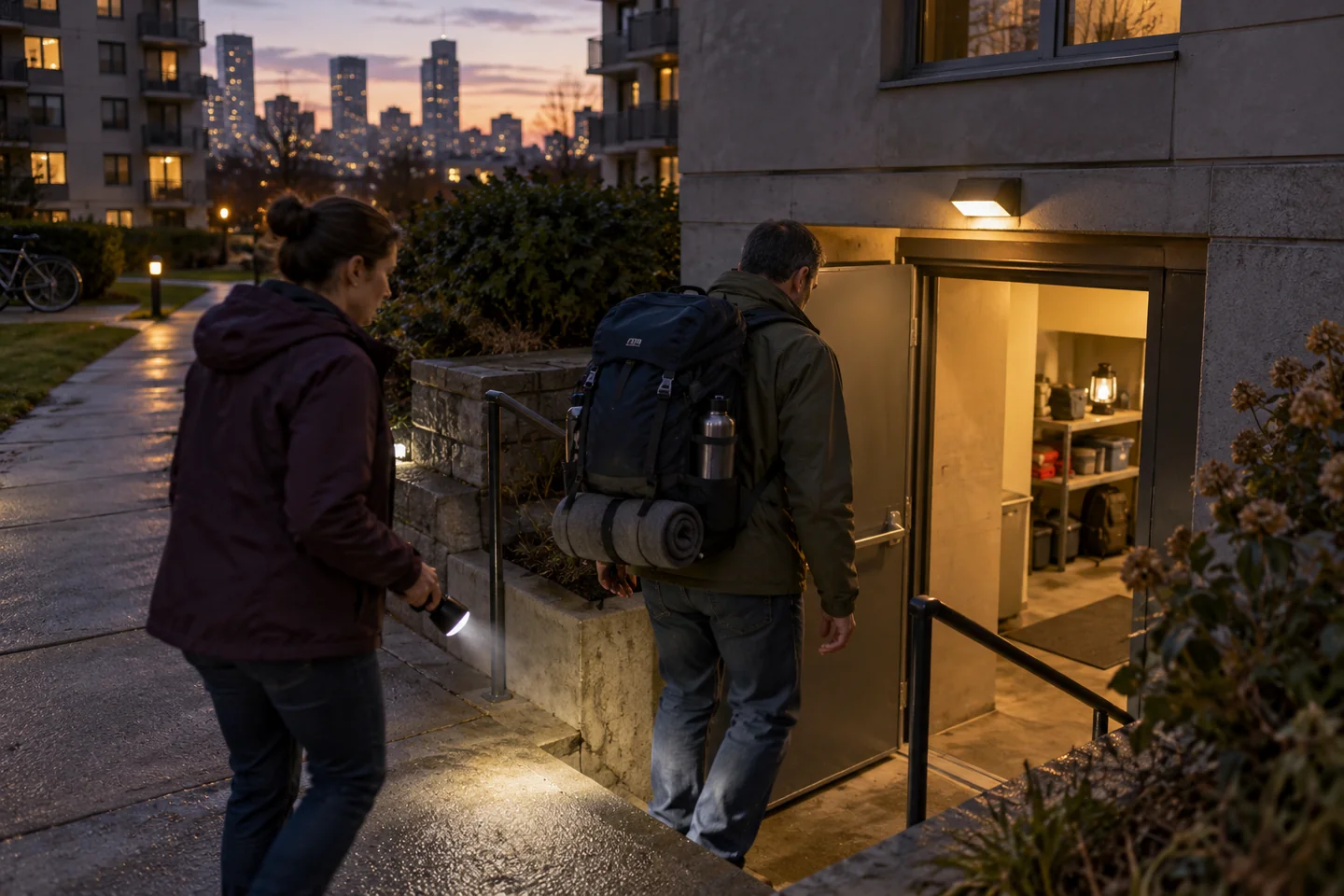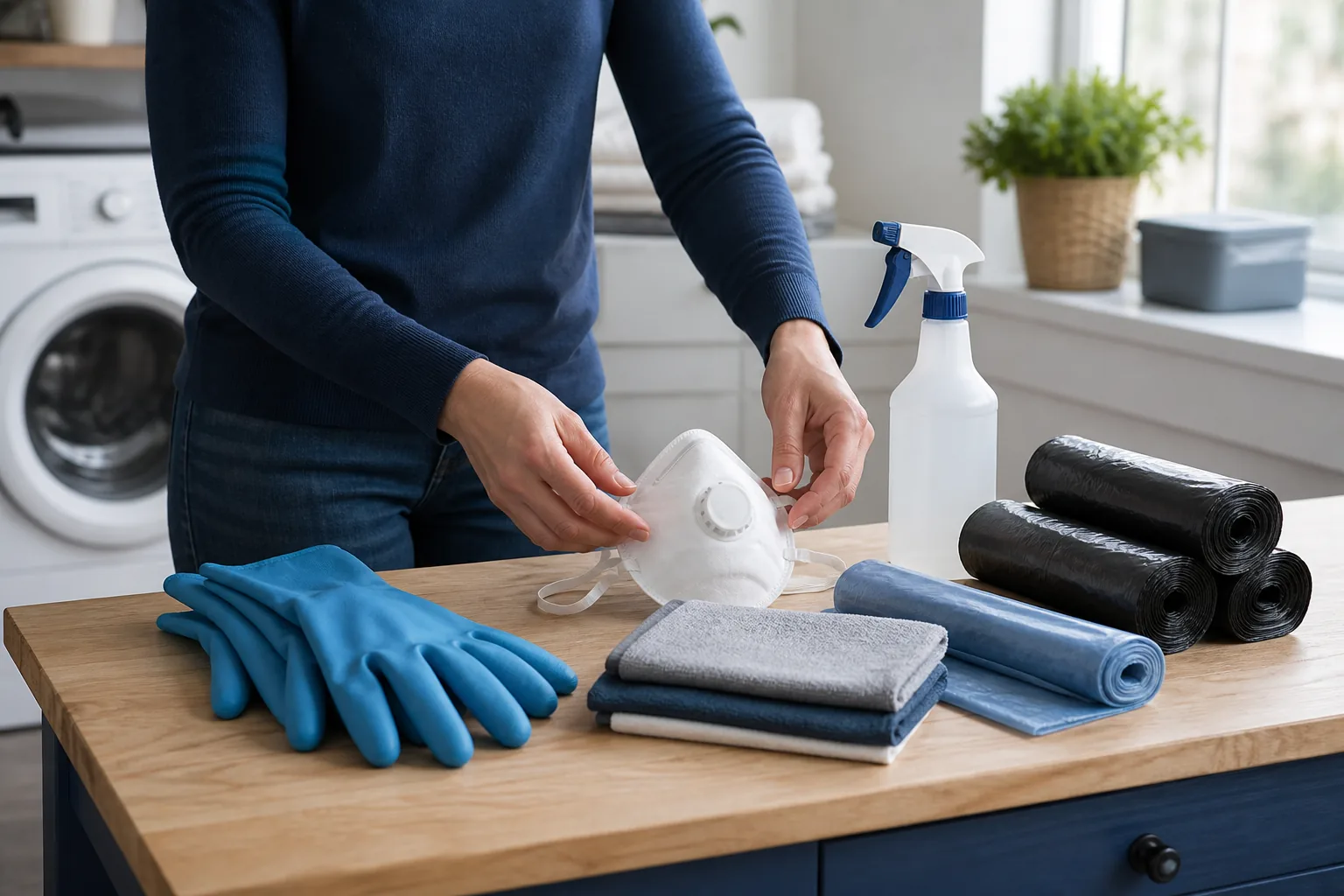
Prevention depends on the agent and its transmission route. Reduce exposure first; choose equipment and disinfection methods for the specific situation.
Biological: an often invisible risk
Biological risk can be linked to viruses, bacteria, mold, biological fluids, waste, contaminated dust, animals, rodents or soiled surfaces. It concerns individuals, businesses, communities, businesses, technical services, agricultural operations, warehouses, cellars, attics and closed premises.
Hantaviruses are associated with certain infected rodents and the inhalation of particles from contaminated urine, excrement or saliva. Covid and Coronaviruses relate more to respiratory transmission by droplets, aerosols and close contact. These scenarios require different but complementary responses.
Prevention combines ventilation, wet cleaning, limitation of resuspended dust, hand hygiene, surface disinfection, waste management and appropriate respiratory protection when exposure is probable.
Useful equipment against biological exposure
FFP2 and FFP3 masks are used to reduce the inhalation of particles and aerosols. Their effectiveness depends on the fit to the face, the duration of use, humidity, the condition of the mask and compliance with other prevention measures.
Gloves limit direct contact with contaminated surfaces, but they must be removed without contaminating the hands. Goggles, visors and overalls can complete protection during splashes, cleaning of premises or handling waste.
Disinfection must follow the context: humidify dust before cleaning, avoid dry sweeping, limit traditional vacuuming in suspect environments, clean affected surfaces and dispose of contaminated consumables in closed bags.
Reason according to the mode of transmission
A respiratory risk, a soiled surface, contaminated water or exposure to animals do not call for the same measures. Before choosing a mask or disinfectant, therefore seek to understand the likely route of transmission and the recommendations of the competent health authority.
Basic actions remain important: appropriate ventilation, hand washing, methodical cleaning, limitation of contacts and isolation according to medical instructions. PPE completes this organization when a task or context justifies it, but does not compensate for avoidable exposure.
For professionals, it is also necessary to plan for reporting, what to do after exposure, waste, maintenance of premises and return to work. A short, known and tested procedure reduces errors much better than a stock of material without a manager.
Why a disinfected surface can become contaminated again
Disinfection acts on microorganisms present at the time of treatment. It does not create a lasting barrier: a hand, cloth or dirty object can contaminate the surface again. INRS’s 2026 guidance recommends targeted disinfection based on an assessment of the situation.
When reading instructions, distinguish the claimed activity spectrum, contact time and application conditions. “Bactericidal”, “virucidal” and “sporicidal” are not interchangeable. Plan prior cleaning and the handling of clean equipment; using more products cannot correct an unsuitable procedure.
Keep three timings separate: the product expiry date, its usable life after opening or dilution where specified, and the contact time required for the claimed action. None can be inferred from the other two. Do not use a surface product on skin unless that use is expressly intended.
| Check | Useful question |
|---|---|
| Target | Does the claimed activity cover the microorganisms concerned? |
| Surface | Do the instructions cover this material and surface use? |
| After treatment | How will you prevent dirty objects or equipment touching the surface again? |
Useful data at a glance
Orders of magnitude and simple controls to adapt to your situation. Local instructions always remain a priority.
To distinguish
Air, contact, ingestion and vectors.

Minimal organization
A clean area and a potentially soiled area.

For each disinfectant
Follow the instructions for the product, surface and intended method.
Quick check before you need it
- Identify the likely route of transmission
- Ventilate or insulate according to the instructions
- Clean from cleanest to dirtiest
- Bring gloves, waste and hand washing
- Consult in case of symptoms or exposure
Recommended situations and routes

Cellar, attic or shed with traces of rodents
Ventilate, humidify, avoid dry sweeping, wear FFP2/FFP3 mask, gloves and glasses, then disinfect exposed surfaces.
Deep deeper: Cellar, attic or shed with traces of rodents
Viral circulation in closed places
Ventilation, hand hygiene, limitation of risky contacts and masks filtering when respiratory exposure is high.
Find out more: Viral circulation in enclosed spaces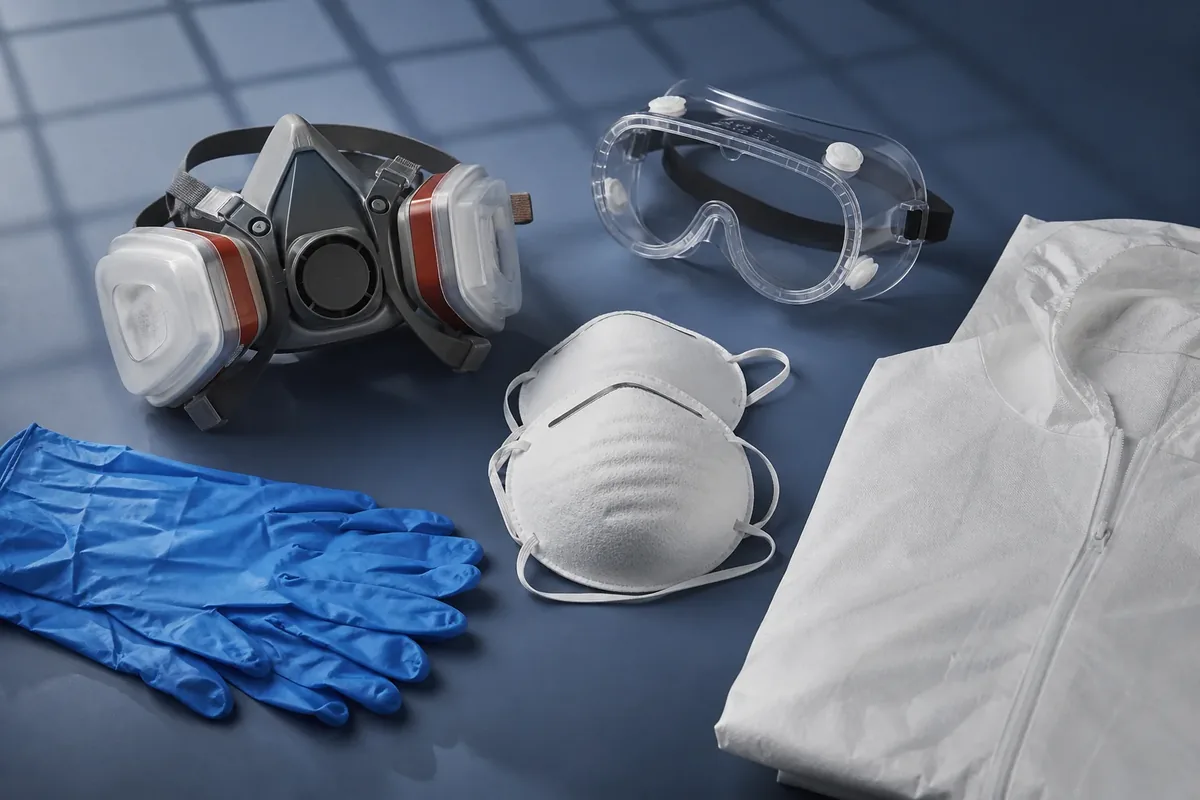
Cleaning or restoration
Prepare a clean area, a dirty area, disposable consumables, hand protection and a waste procedure.
Go deeper: Cleaning or repair
Risk FAQ organic
Quick responses to compare uses, limits and protection priorities.
Why avoid dry sweeping?
Dry sweeping can resuspend potentially contaminated dust. Wet cleaning reduces this risk.
FFP2 or FFP3 for contaminated dust?
FFP3 offers higher filtration than FFP2 for particles, but the choice depends on the context, the adjustment and the level of exposure.
Do gloves replace hand washing?
No. Gloves can become contaminated. They must be removed correctly and washed or disinfected hands after use.
Are all biological risks transmitted through the air?
No. The pathways vary depending on the agent: air, droplets, contact, food, water, animals or vectors. Prevention must correspond to the identified risk.
References used for this guide
 INRS : Prévenir les risques biologiques
Prévention adaptée aux voies de transmission, réduction de l’exposition et complémentarité des protections.
 Ministry of Health - Hantavirus and FHSR
Transmission mainly associated with rodents, contaminated dust and medical conduct in the event of symptoms after exposure.
INRS - Protective equipment individual
Reminder that PPE complements risk elimination or reduction measures and must be adapted to the work context.
 WHO - Chemical, Biological, Radiological and Nuclear capacities
International vision of CBRN preparation, specialized capabilities and health coordination.
Explore more CBRN guides