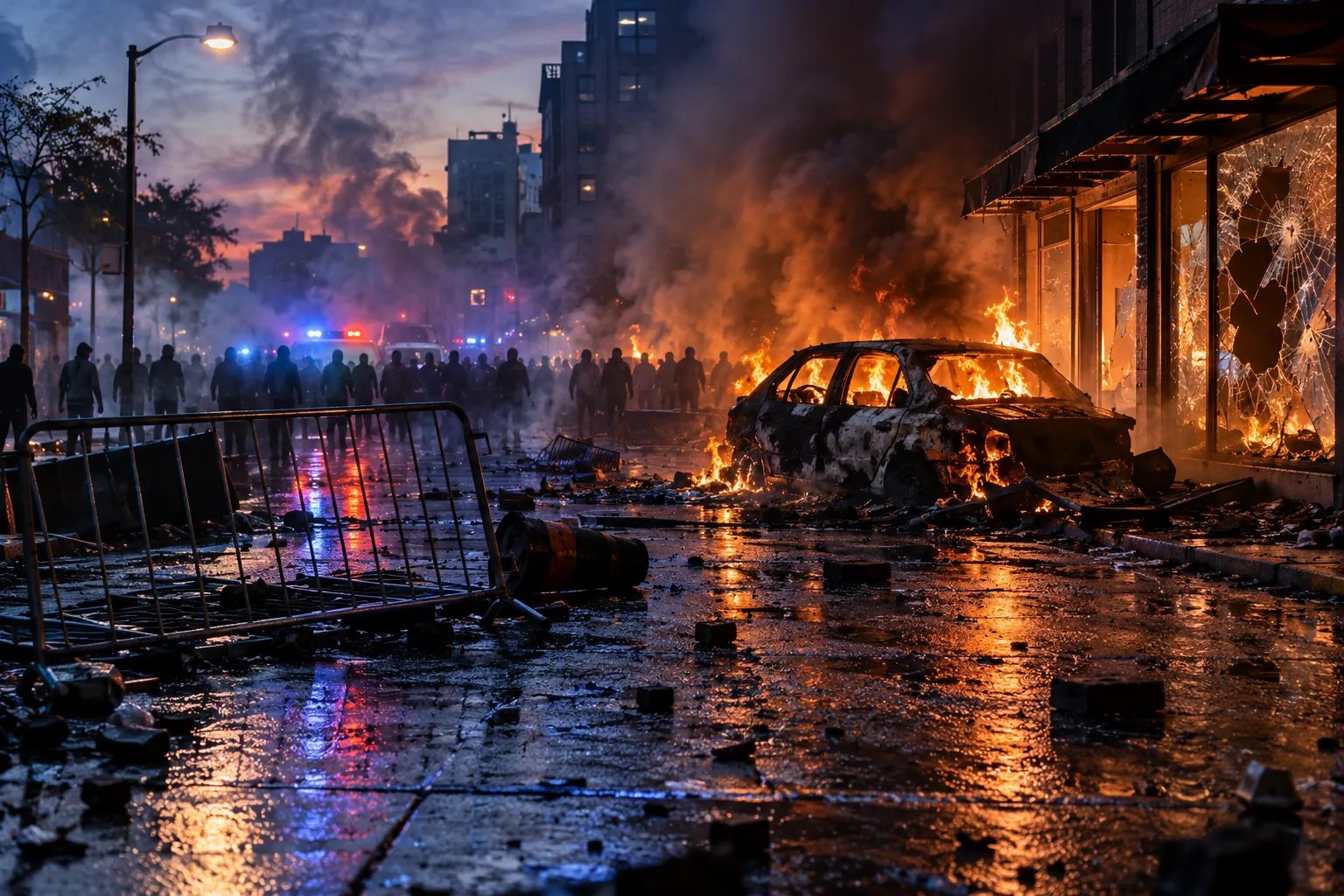
Home security is based primarily on fire prevention, alerts, lighting, documents, insurance, family organization and some simple purchases.
Fire and alert
Detectors, maintenance of devices, accessible clearances and rapid calling for help count for more than a pile of objects. The equipment must be adapted to the accommodation and understood by the occupants.
A domestic fire extinguisher can be useful in a limited fire outbreak, but it should never delay evacuation or expose a person to smoke.
Important documents, inventory photos and insurance references must be available in paper and digital copies.
Purchases to compare for the home
Compare detectors, fire extinguishers, fire blankets, lamps, batteries, waterproof storage, first aid kits, evacuation bags and simple hand or eye protection.
For collective housing, you must also know the building instructions, stairs, exit points, vulnerable neighbors and rules of co-ownership.
Advertising can target legitimate sectors: insurance, fire safety, DIY, energy, storage, hygiene and first aid.
Touring the accommodation as a practical exercise
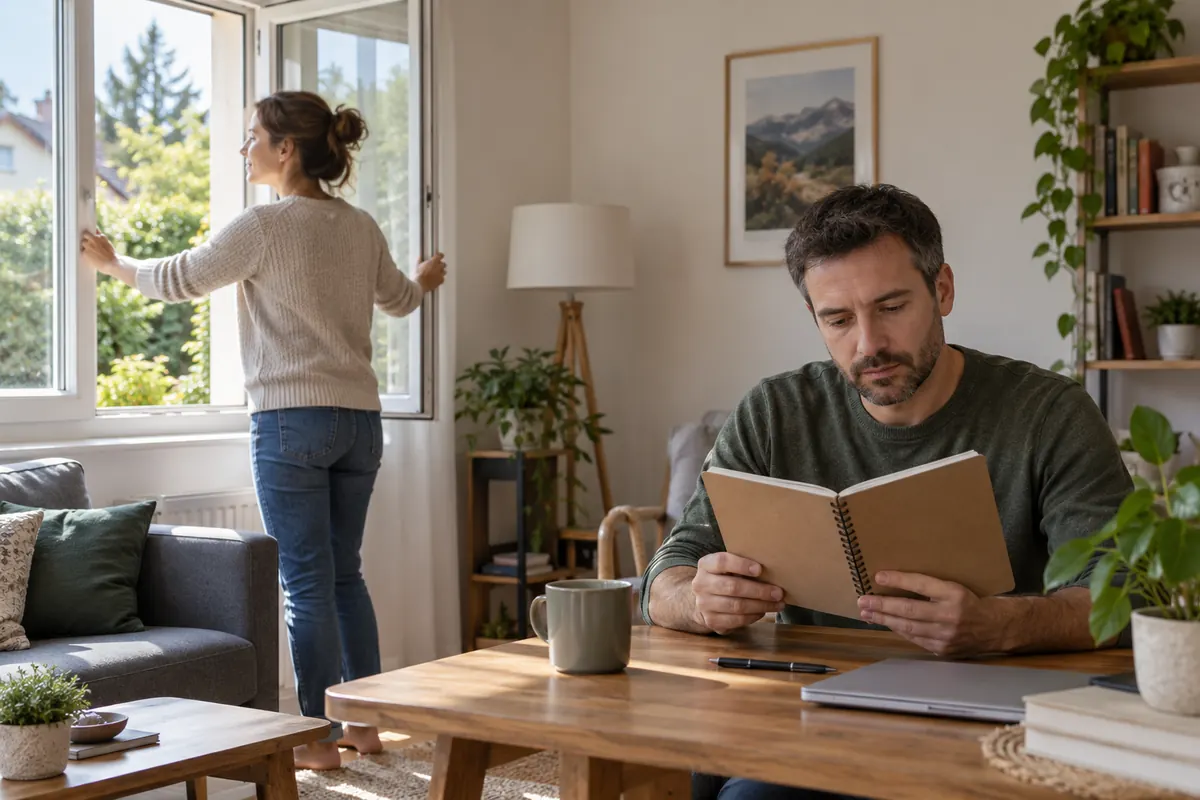
Walk through each room, wondering how to get out in the dark, where the keys are, and what obstacles would hinder an evacuation. Test the detectors, identify water, gas and electricity outages, then make sure that adults know how to use them without putting themselves in danger.
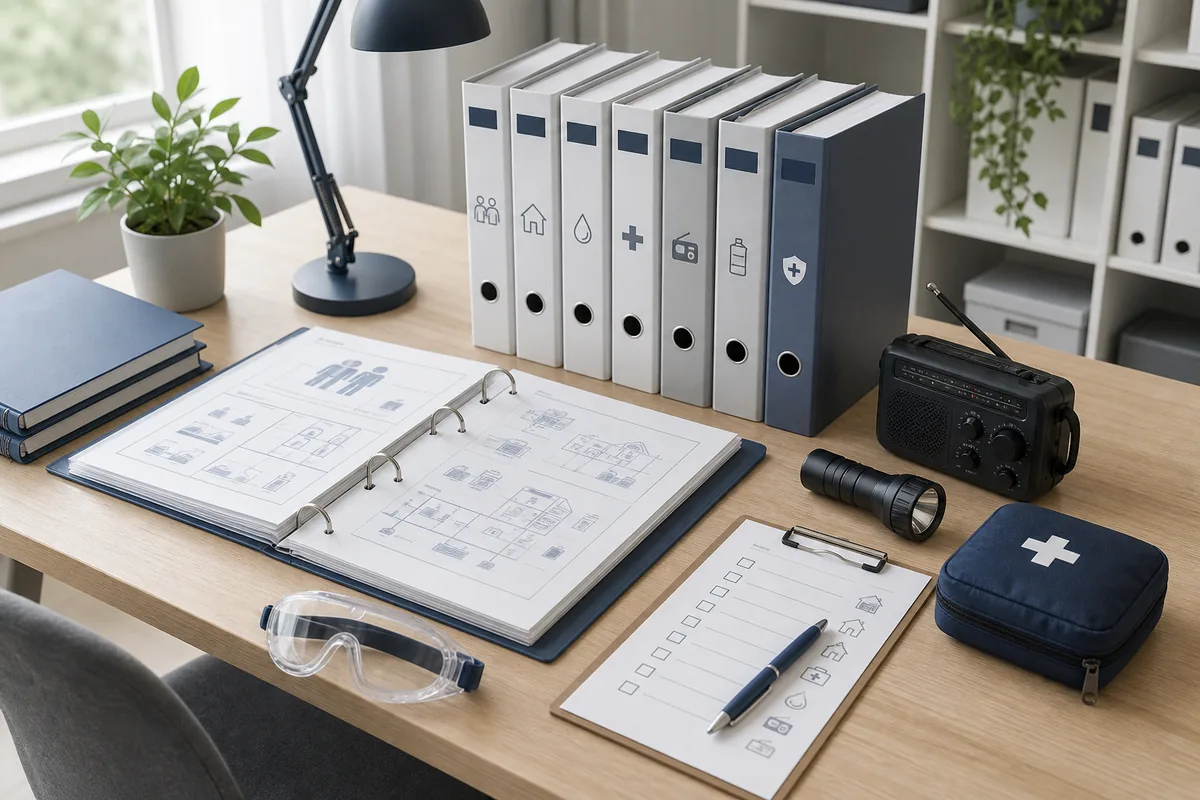
Protect important documents against water and fire, while keeping copies accessible. Photograph valuable items for insurance purposes and note useful references. After a disaster, these simple steps save time when attention is already in high demand.
Safety is also based on habits: do not overload sockets, maintain heating appliances, clear exits and put away dangerous products. These unspectacular actions prevent more accidents than sophisticated equipment that has never been tested.
Occupants must be able to perceive an alarm
A sound-only alarm may not meet the needs of a deaf or hard-of-hearing person. French public guidance describes adapted smoke alarms using light or vibration. Selection depends on the person, rooms and use conditions; a phone alone is not automatically an equivalent relay.
Follow the instructions for testing and backup power. A test button does not assess every fire scenario. Also prepare human assistance and the exit route; never use smoke to test the household’s reaction.
Useful data at a glance
Orders of magnitude and simple controls to adapt to your situation. Local instructions always remain a priority.
To locate
Water, gas, electricity and ventilation.
To consider
When the configuration of the accommodation allows it.

For insurance
Photos, references and copies outside the accommodation.
Quick check before you need it
- Locate cuts, keys and exits
- Test detectors and lighting
- Clear corridors and stairs
- Photograph important goods
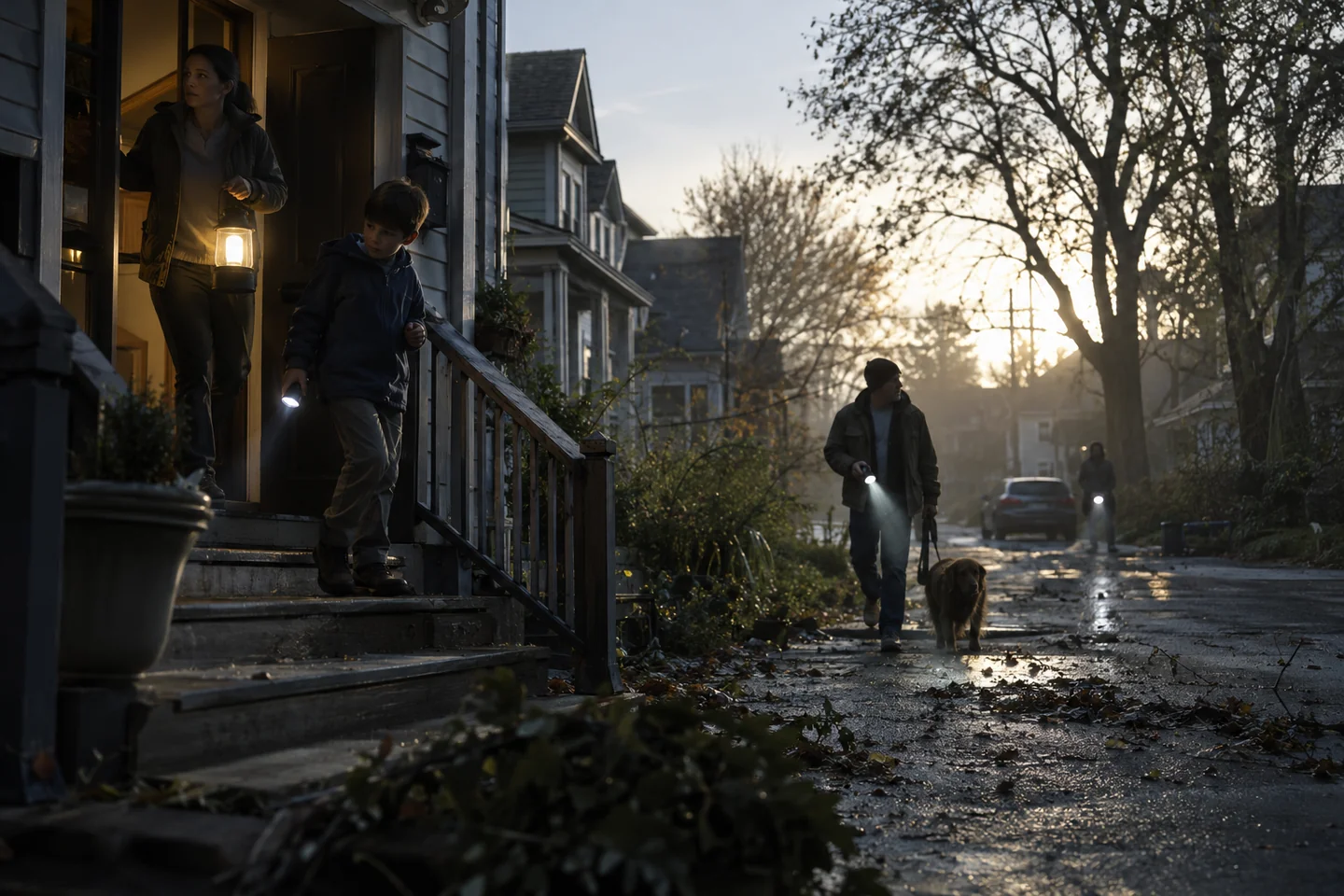
- Do a family exercise in the dark
Recommended situations and routes
Smoke in common areas
Do not cross a smoky area. Report yourself and follow the emergency services.
Find out: Smoke in the common areas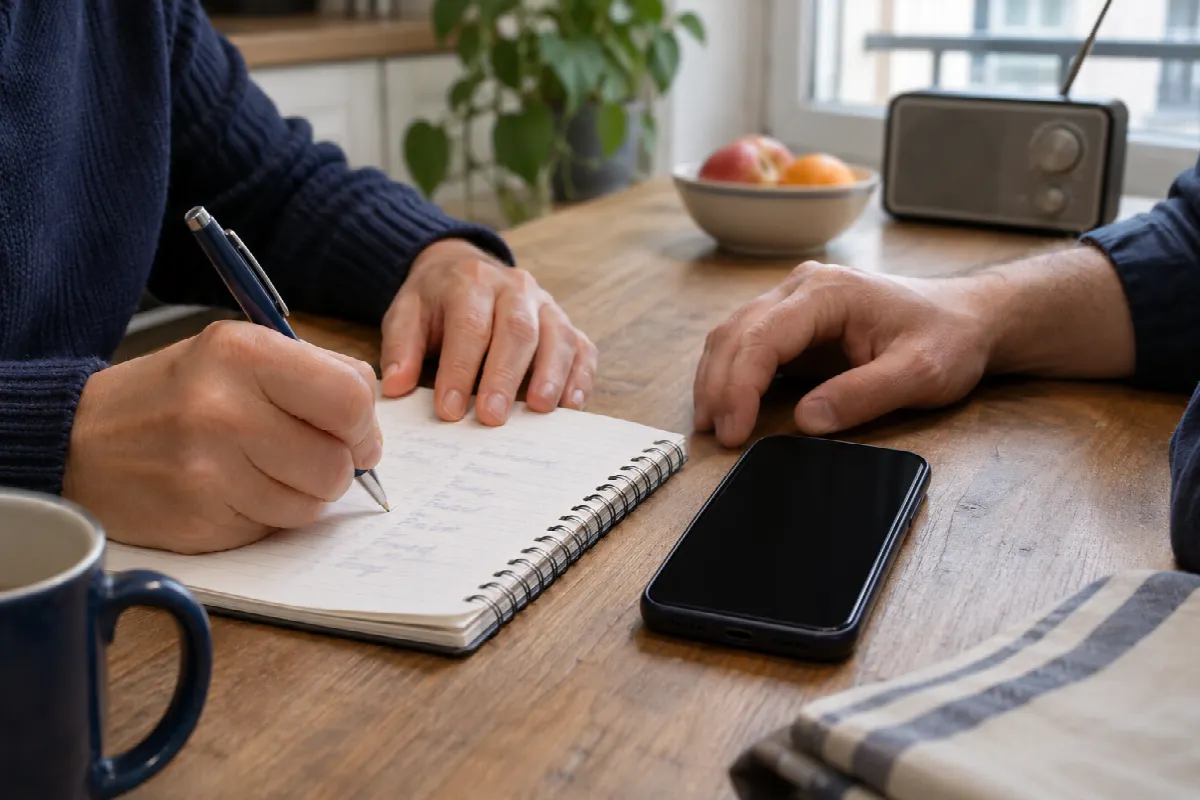
Precipitous departure
Documents, treatments, keys, water, telephone and meeting point.
Dry deeper: Hasty departure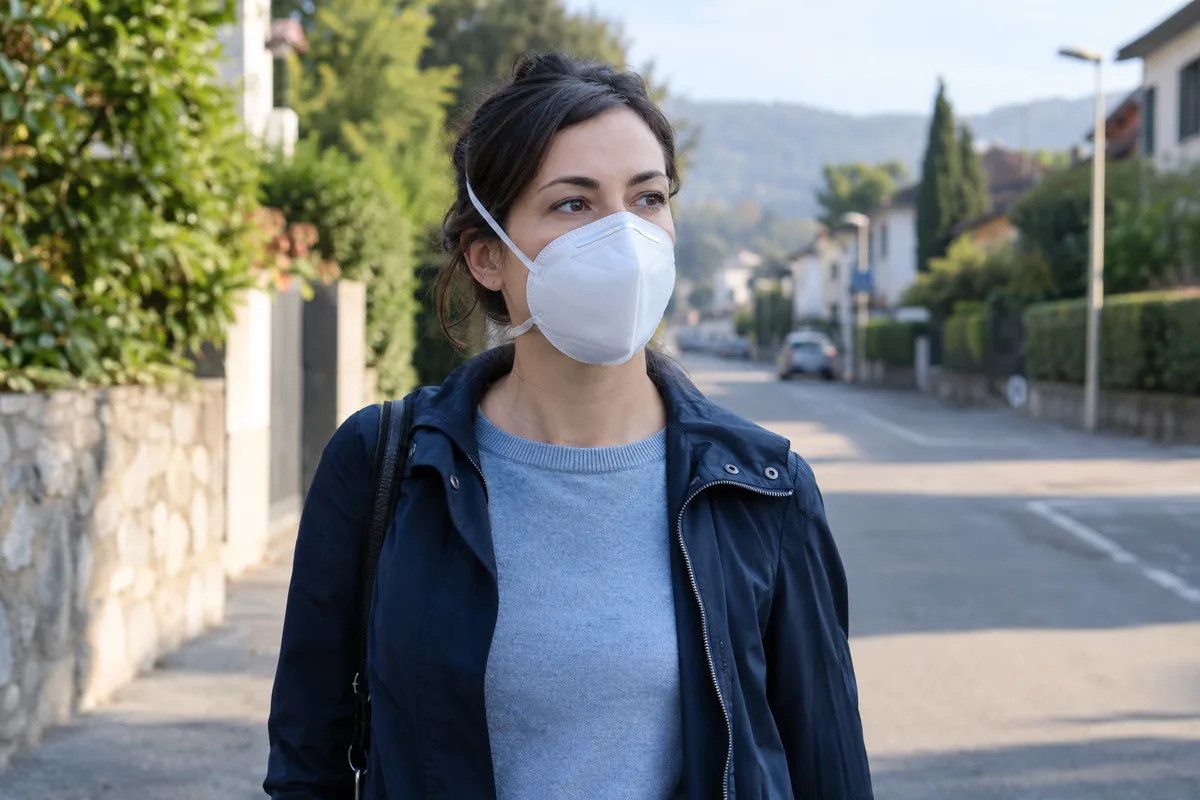
Compare equipment
Detectors, fire extinguishers, lamps, batteries and first aid kits.
Find out more: Compare equipment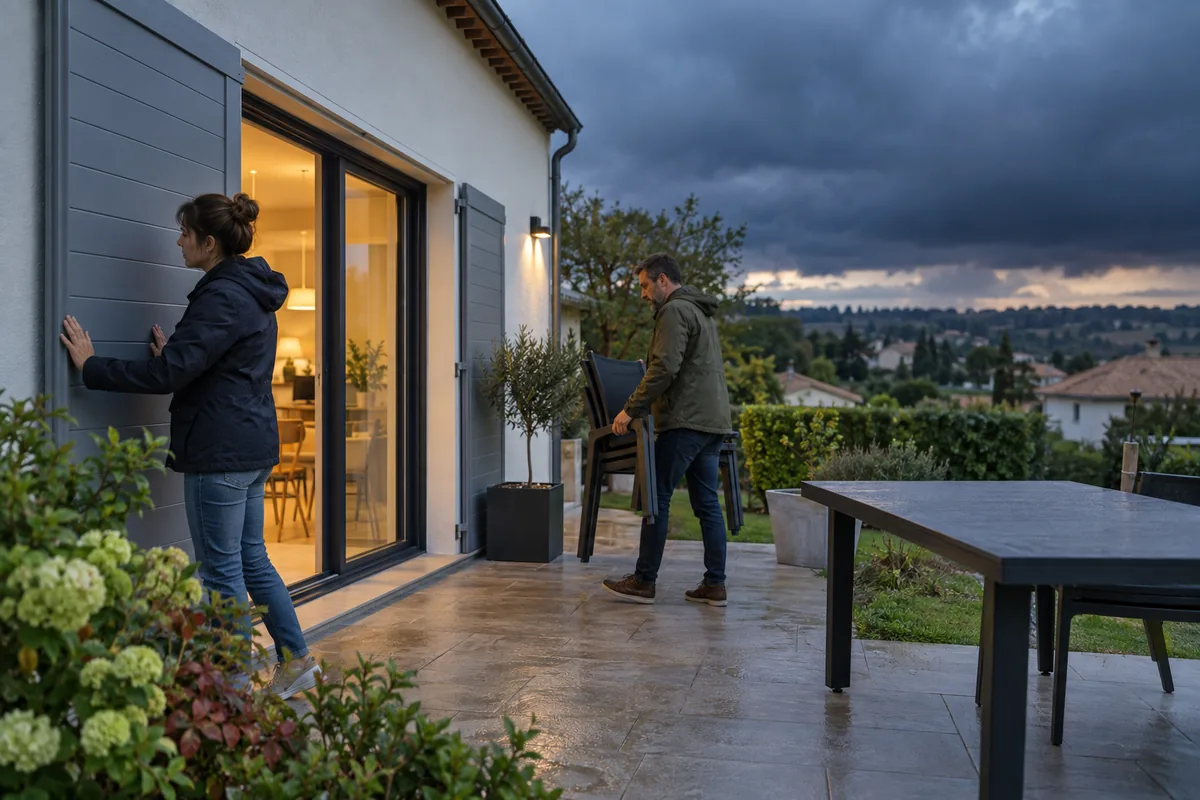
Home FAQ
Quick responses to compare uses, limits and protection priorities.
Is a fire extinguisher enough?
No. It completes prevention and should never replace evacuation if the smoke or the danger progresses.
Why talk about insurance?
Parce that after a disaster, declaration, photos, inventory and guarantees become essential.
Which purchases are the simplest?
Detector, lamp, batteries, first aid kit, document pouch and 72-hour kit.
What exercise to do as a family?
Try a night outing with the lights off, without running. Check the assembly point, access to keys and everyone's ability to exit.
References used for this guide
 Civil security - Domestic fire
Prevention of domestic fires, smoke detector, evacuation, call 18 or 112, shelter if common areas are smoked.
 Public Service - Home and fire insurance
General public information on fire guarantee, disaster reporting, home insurance and procedures after a fire.
Civil security - 72-hour emergency kit
Family or professional preparation, short-term autonomy, radio, water, medicines, documents and regular checking of the kit.