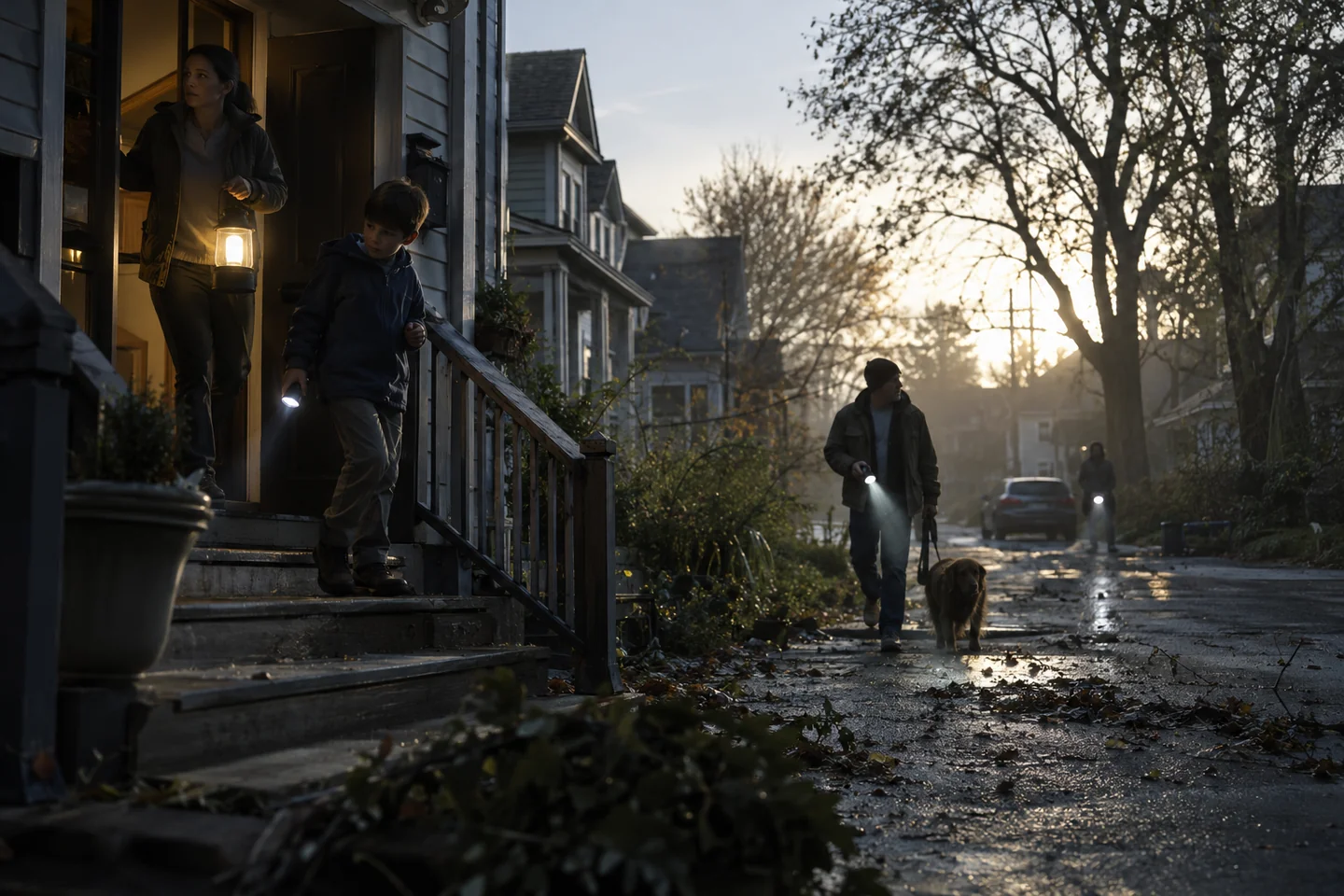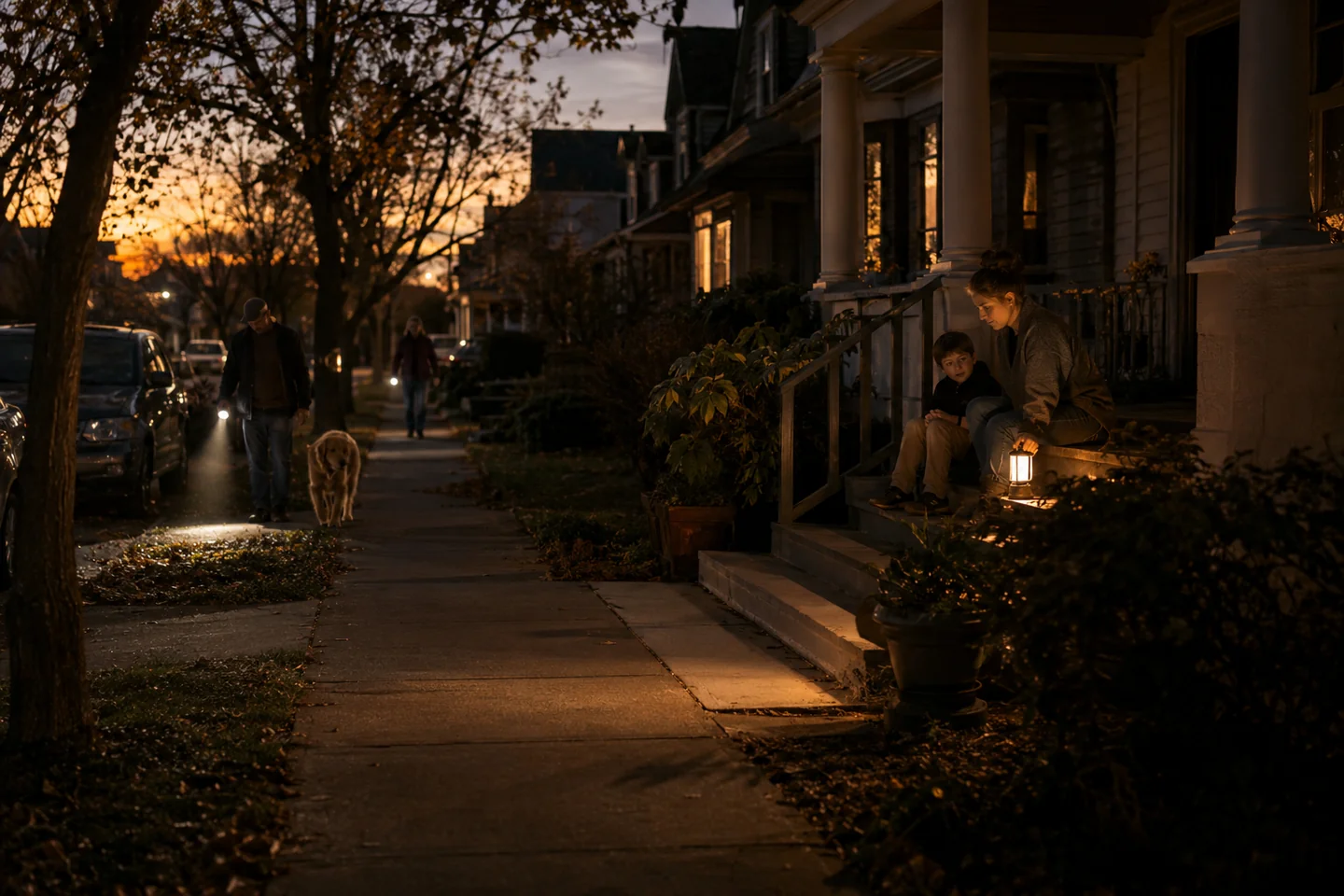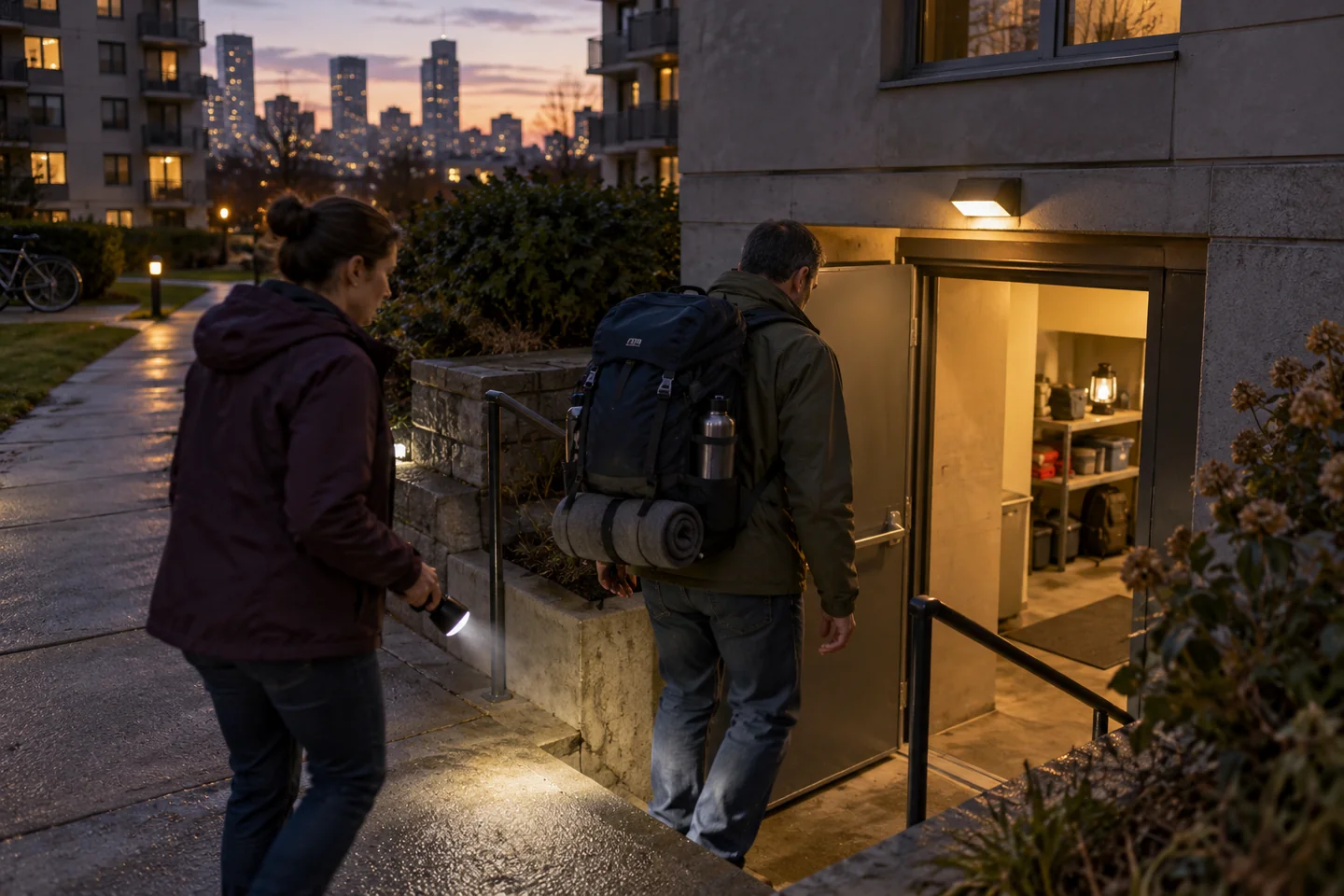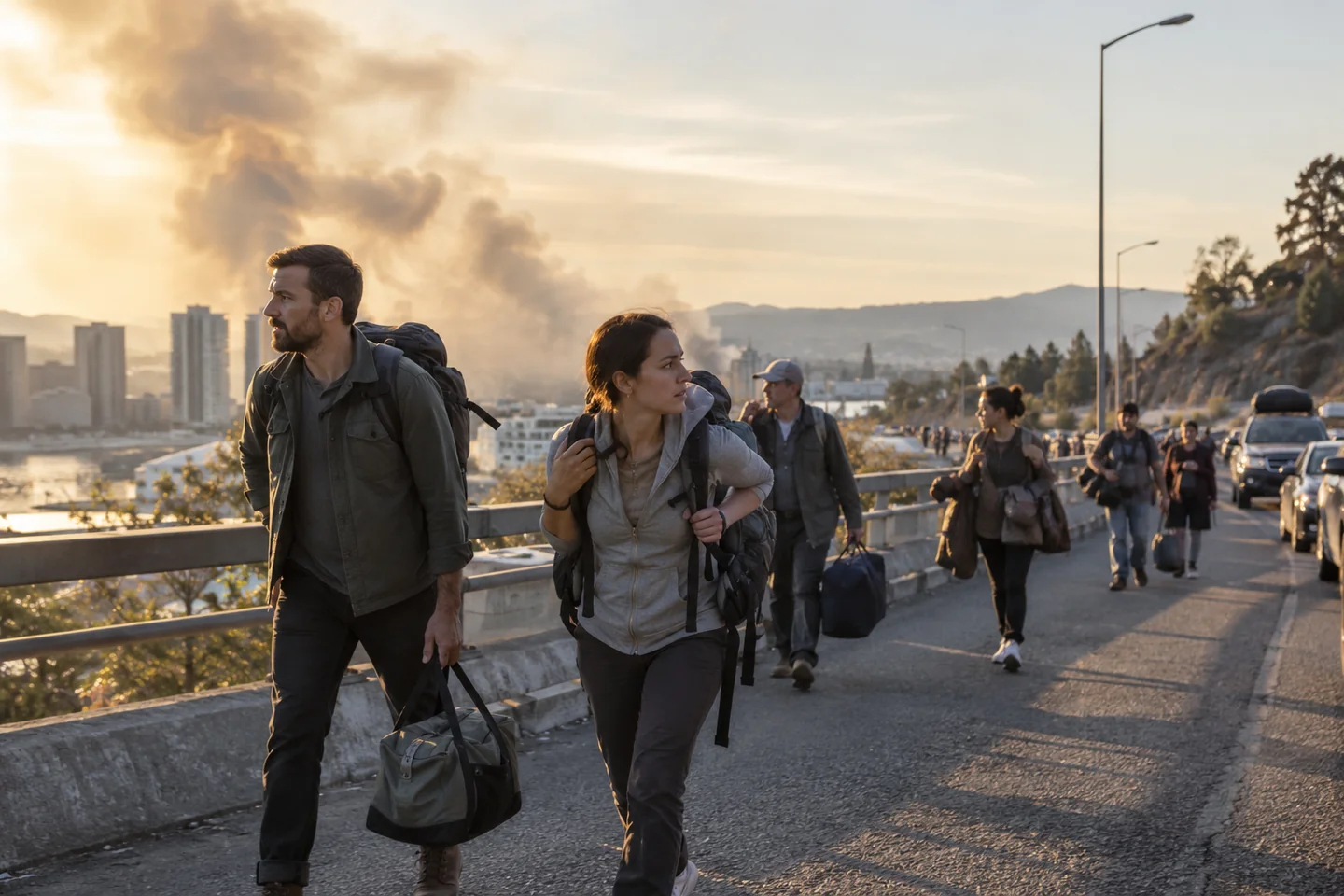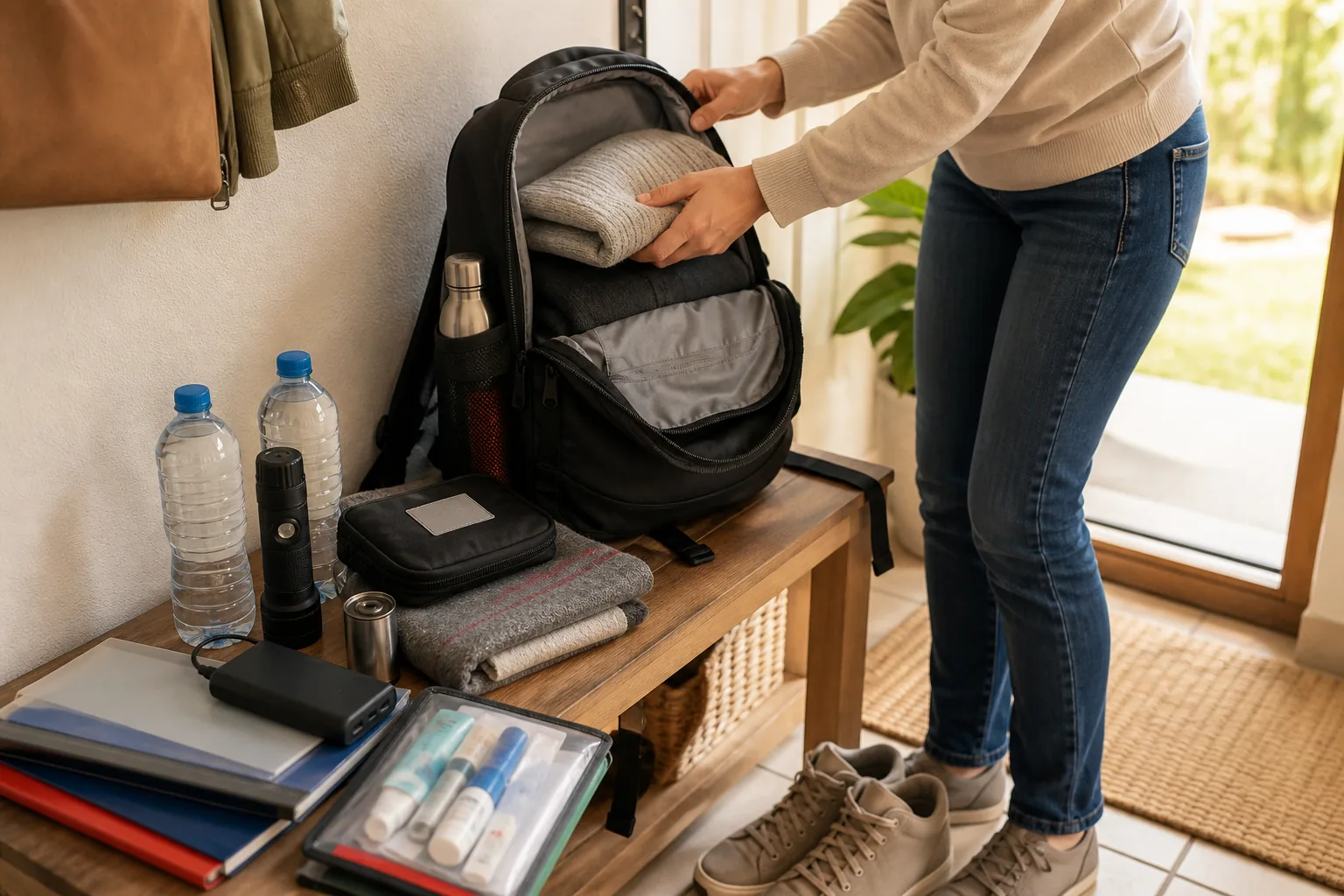
Préparez à l’avance un sac accessible avec vos documents, traitements, lunettes, clés, lampe et liste de contacts. En cas de feu, quittez le logement dès que la sortie est praticable. Prenez le sac uniquement s’il est immédiatement à portée, sans ralentir la sortie. Vérifiez aussi le détecteur de fumée et convenez d’un point de rassemblement.
Prepare for departure before you need it
During a fire, seconds count. The kit must therefore be accessible, light and known to the occupants. It must not block the evacuation or force someone to go back and get an object.
Placez dans le sac les copies de vos documents, vos traitements, des lunettes, un chargeur, un double des clés, une lampe et une liste de contacts sur papier. Rangez-le sans encombrer le passage. Testez séparément le détecteur de fumée et repérez les sorties.
For a family, add a simple instruction: who is taking the children, where to meet, who calls for help, where the animals are, which neighbors to notify if the situation allows.
Connect fire kit and 72-hour emergency kit
Le kit urgence 72h couvre l’attente : eau, alimentation, radio, lampe, médicaments, trousse de premiers secours, outils de base, moyens de communication et hygiène. En cas d’incendie dans le logement, la priorité est la sortie. Lors d’une évacuation préventive demandée par les autorités, le kit 72 heures peut être emporté selon les consignes.
For a building, an ERP or a company, you must also think about the assembly point, vulnerable people, visitors, attendance registers and the message to be broadcast afterwards evacuation.
After a disaster, recovery must remain organized: do not re-enter without authorization, isolate soiled objects, throw away food exposed to heat or fumes if necessary, and document the damage.
Separate evacuation equipment from fire-fighting equipment
The evacuation bag is used to leave quickly: papers, treatments, keys, telephone, lamp, water, warm clothing and special needs. It should not encourage staying to fight a fire. Place it in an accessible location that never blocks the exit.
The means of extinction require a suitable choice and prior handling. Read instructions, service equipment when scheduled, and always keep an exit behind you. A fire blanket or fire extinguisher is only useful on a very limited departure without significant smoke.
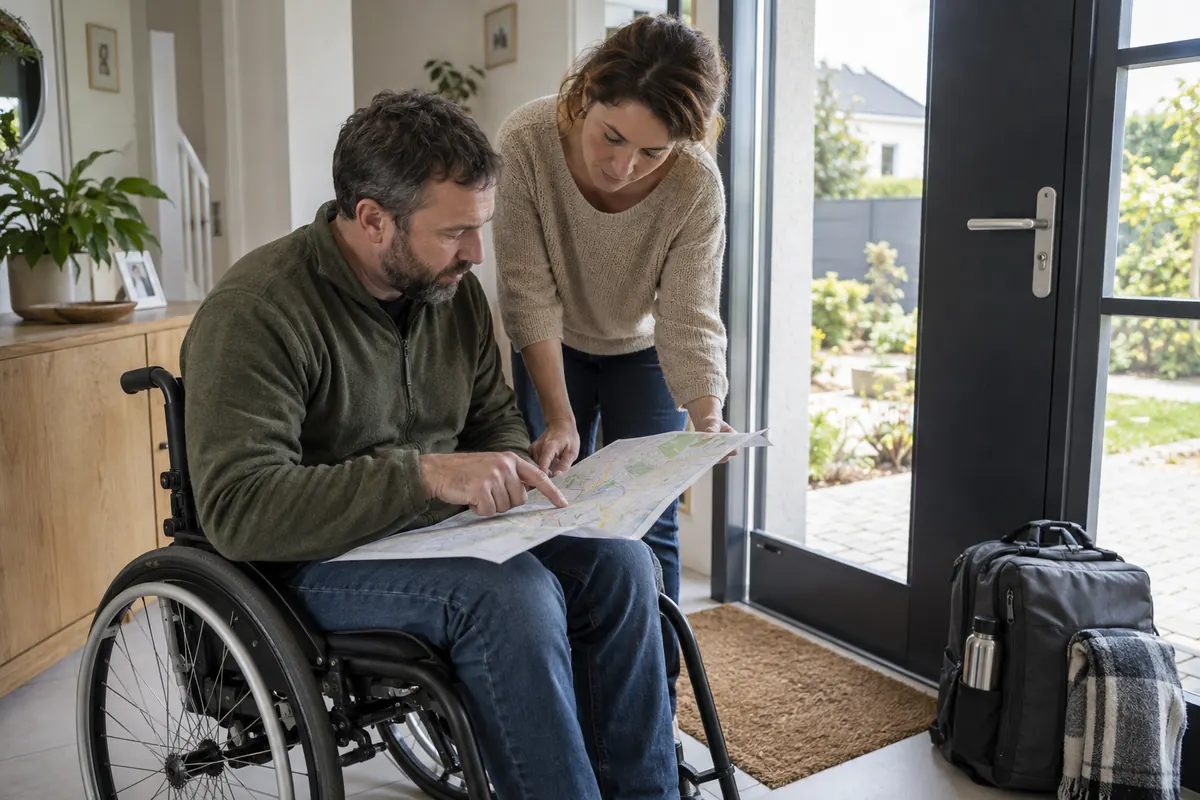
Do an exercise with all occupants, including children, without scaring them. Time the exit, test the assembly point and plan who is helping a person with reduced mobility. Then correct the obstacles observed.
Check annually, then replenish after every use
France’s Civil Security authority advises checking the kit once a year and replenishing it after use. This preparedness review does not replace expiry dates or more frequent checks specified by manufacturers.
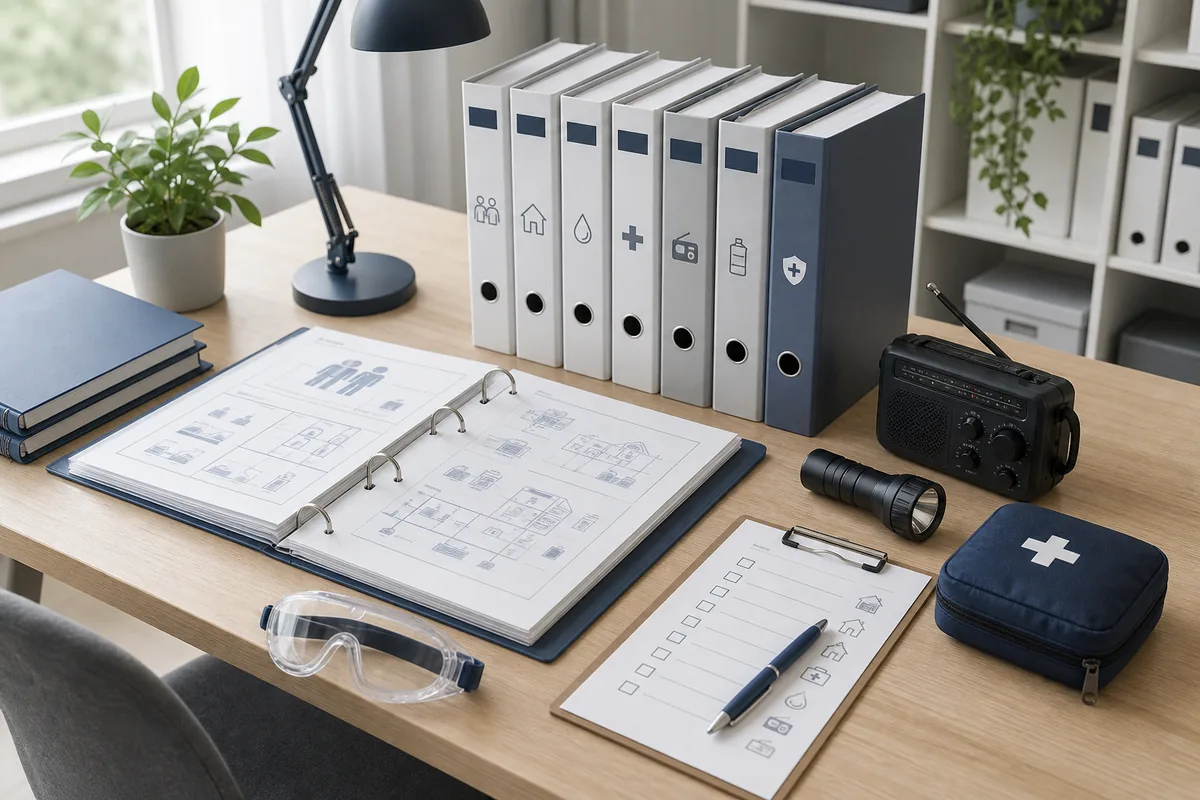
Separate supplies to rotate, devices to test with their accessories, and documents to update. A working torch does not complete the check if the spare batteries remain untested. In the inventory, record the next action instead of ticking an item merely because you own it.
| Check | What to confirm |
|---|---|
| Consumables | Dates and packaging checked; used supplies replaced. |
| Devices | Test with the actual batteries, cables and accessories. |
| Organisation | Known storage location, portable bag and current household needs. |
Occupants must be able to perceive an alarm
A sound-only alarm may not meet the needs of a deaf or hard-of-hearing person. French public guidance describes adapted smoke alarms using light or vibration. Selection depends on the person, rooms and use conditions; a phone alone is not automatically an equivalent relay.
Follow the instructions for testing and backup power. A test button does not assess every fire scenario. Also prepare human assistance and the exit route; never use smoke to test the household’s reaction.
Useful data at a glance
Orders of magnitude and simple controls to adapt to your situation. Local instructions always remain a priority.
Separate
Evacuation on one side, limited extinction on the other.
Always available
No material must delay the leak.
Assembly
Known to all occupants.
Quick check before you need it
- Install and test detectors
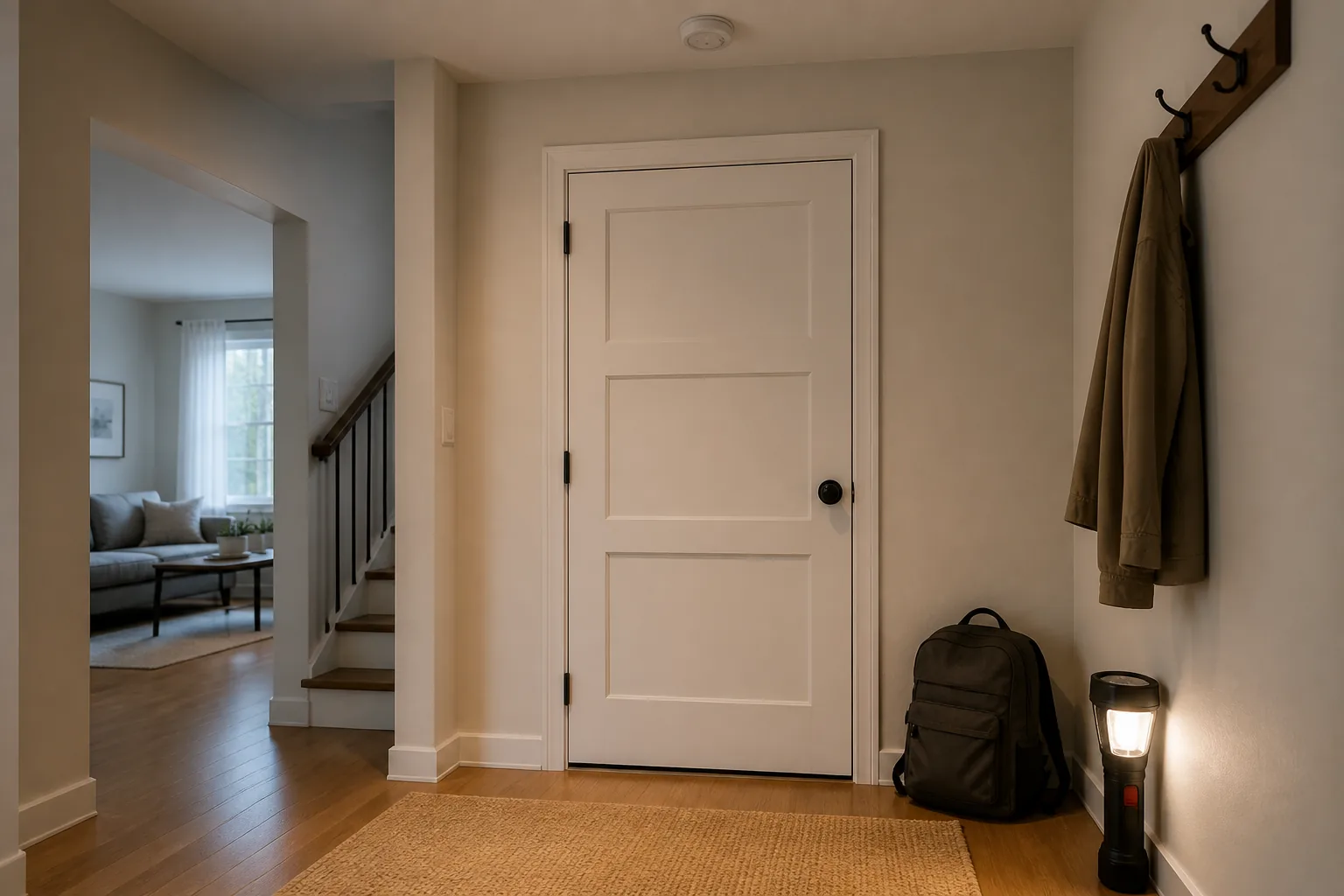
- Keep the bag near the exit path
- Check the fire extinguisher according to its instructions
- Repeat the assembly point
- Provide help for vulnerable people
Recommended situations and routes
Apartment
DAAF, known exit route, accessible keys, assembly point and instructions case of smoky stairs.
Dive deeper: Apartment
Maison
Fire extinguisher maintained if available, chimney/gas/electricity maintenance, documents and clear emergency access.
Drill down: House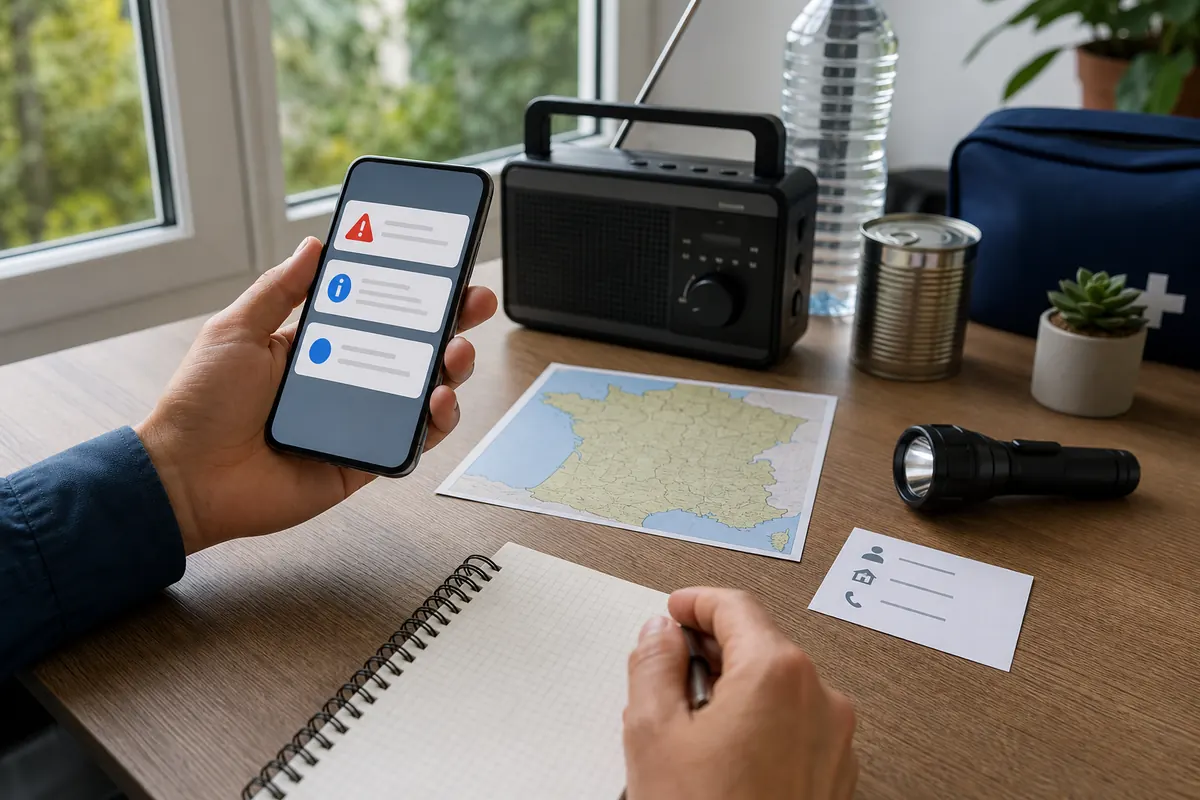
Company / ERP
Referent, visitor procedure, register, assembly point, information and controlled return.
Dry deeper: Business / ERP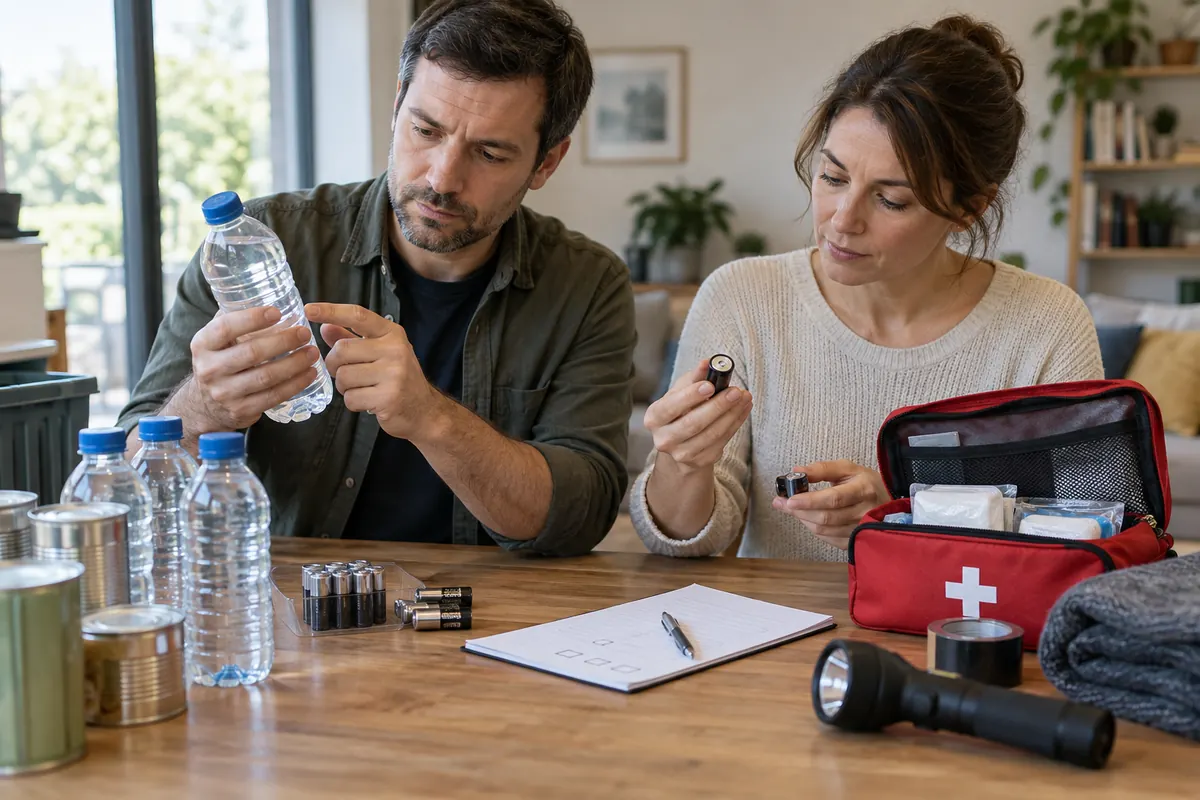
FAQ Fire kit
Quick responses to compare uses, limits and protection priorities.
Where to store the kit?
In an accessible location on the exit path, known to the occupants, without having to cross a risk zone.
Do you need a fire extinguisher?
It can be useful if it is adapted, accessible and maintained, but it should never delay evacuation if fire progresses.
Should the kit contain masks?
A few masks can be useful for certain cleaning or dusting outside of immediate danger, but they do not allow you to pass through fire smoke.
What to take if you have to go out immediately?
People first. If the bag is directly accessible without delay or detour, take it; otherwise, go out and call for help.
References used for this guide
 Civil security - Domestic fire
Prevention of domestic fires, smoke detector, evacuation, call 18 or 112, shelter if common areas are smoked.
Civil security - 72-hour emergency kit
Family or professional preparation, short-term autonomy, radio, water, medicines, documents and regular checking of the kit.

Explore more CBRN guides