
An NRBC business continuity plan defines the plausible scenarios, the referents, PPE stocks, containment or shutdown procedures, messages to teams, waste management, cleaning and recovery criteria.
The CBRN PCA begins with decision thresholds
A company does not need a spectacular document. It needs prepared decisions: when to shelter, when to evacuate on order, when to suspend an activity, who talks to employees, where PPE is located and how to avoid cross-contamination.
The scenarios must remain plausible: chemical leak nearby, transport of dangerous materials, suspicion of biological contamination in a premises, high viral circulation, nuclear alert or temporary unavailability of a building.
Each scenario must link a risk, an instruction, a person in charge, equipment, a method of information and a written record minimal.
Bricks to formalize
Organization: referent, substitute, emergency contacts, official channels, list of vulnerable people, internal communication plan, visitor and service provider information.
Equipment: PPE stock by size, masks, gloves, glasses, gel, wipes, waste bags, clean zone/dirty zone marking, radio, lamps, batteries and verification procedure.
Resumption: reopening conditions, cleaning, ventilation, removal of consumables, monitoring of exposed people, replacement of PPE and feedback.
Bring the plan to life beyond the document
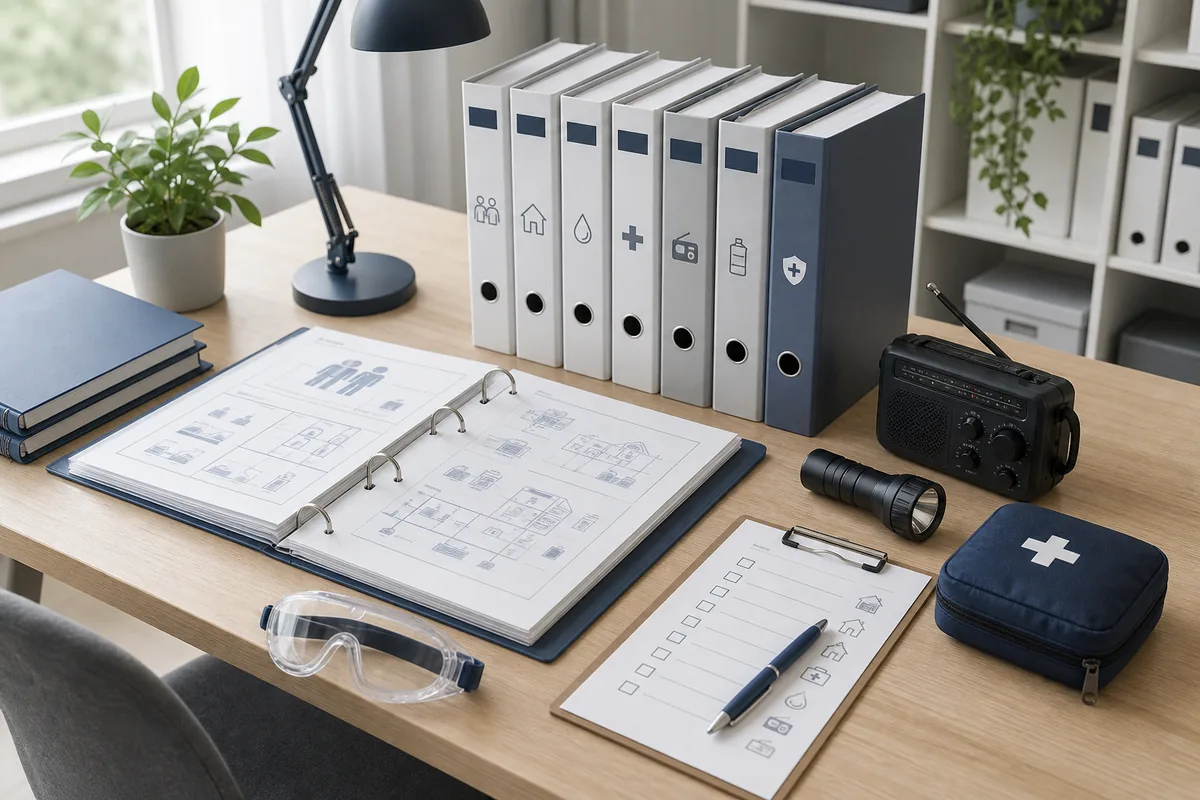
A continuity plan is only useful if the teams know who decides and where to find the information. Roles must be assigned to identified individuals, with at least one alternate. Contact details, access, critical suppliers and ready-to-use messages benefit from being brought together in a short version, accessible even when the usual tools no longer work.
A simple exercise quickly reveals the gaps: inaccessible stock, mask of the wrong size, outdated directory, uninformed employee or procedure that is too long. There is no need to stage a spectacular crisis. Testing a cascade call, sheltering or working in degraded mode is often enough to significantly improve the organization.
After an incident or exercise, resumption must be documented with the same care as shutdown. Who authorizes the return, which areas remain prohibited, which equipment is replaced and how are the teams informed? These questions avoid a hasty recovery and give the manager a clear record of decisions.
Recovery: separate restoration time from data loss
RTO is a target recovery time; RPO concerns the data recovery point and therefore the data loss you aim to limit. A very recent copy does not guarantee a quick restore. A restarted service may instead use data that is too old.
For each essential activity, identify an owner, dependencies and an authorised degraded mode. Test restoration and business validation before announcing recovery. Values are objectives selected by the organisation, not guarantees from this guide.
| Question | What to document | Evidence to seek |
|---|---|---|
| When to resume? | Time target, resources and restart order. | An exercise measures time until a usable service. |
| Which data? | Version to recover and acceptable loss. | The business checks the restored version. |
| Who validates? | Owner and return criteria. | Check the service delivered, not just the server. |

Useful data at a glance
Orders of magnitude and simple controls to adapt to your situation. Local instructions always remain a priority.
Reviews
People, premises, suppliers and systems.
Operation
Degraded normal mode and fallback solution.

Suggested benchmark
Adapt the frequency to the requirements of the activity.
Quick check before you need it
- List essential activities
- Name staff and substitutes
- Provide external dependencies
- Keep contacts offline
- Test then correct the plan
Recommended situations and routes

Chemical risk nearby
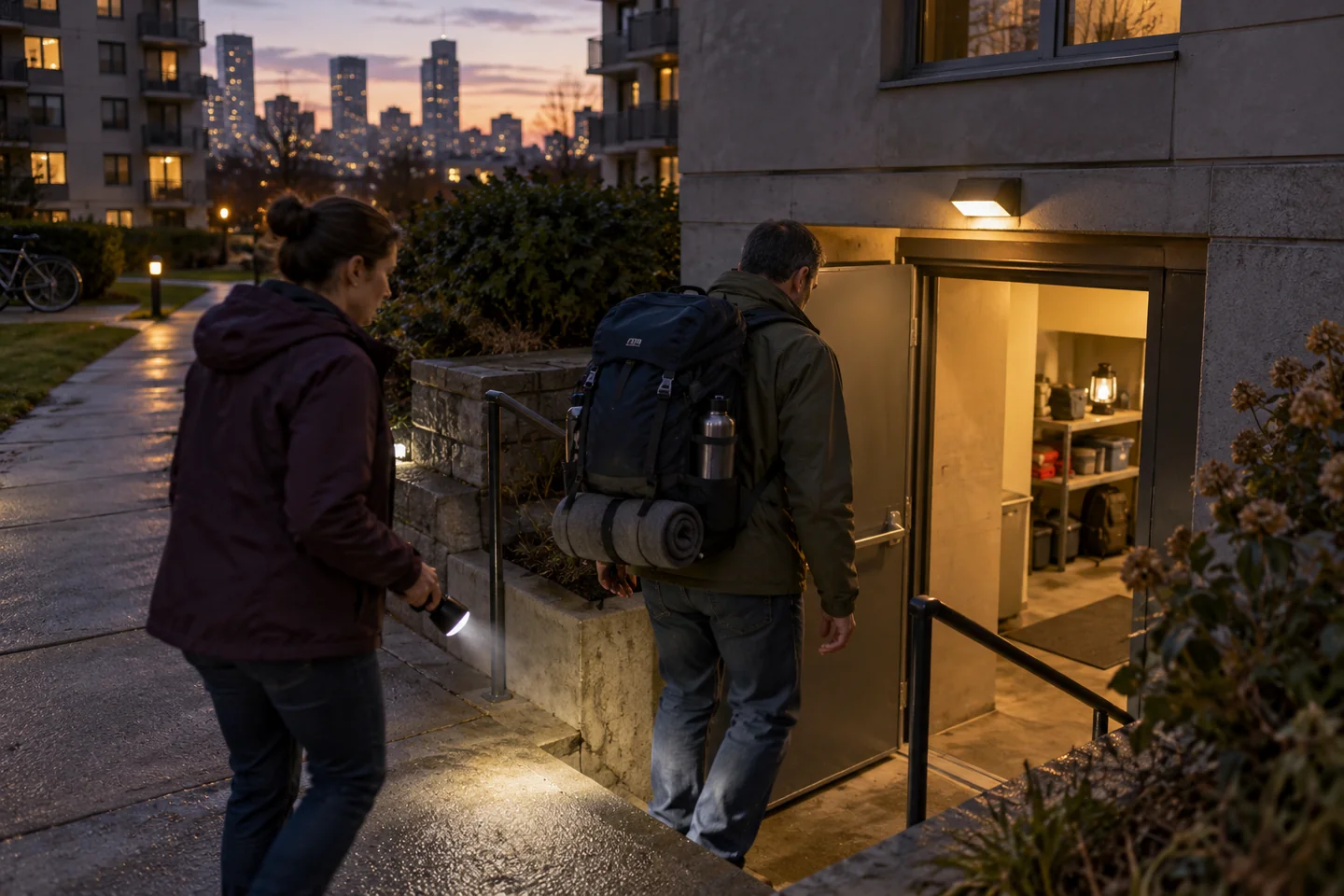
Take shelter, close ventilation if requested, inform teams and stop exposed activities.
Go deeper: Chemical risk nearby
Local biological risk
Wet cleaning, limitation of access, suitable PPE, isolated waste and medical advice if exposure or symptoms.
Go deeper: Local biological risk
Nuclear alert
Listening to authorities, confinement or evacuation on order, no taking iodine without instructions.
Drill down: Nuclear alert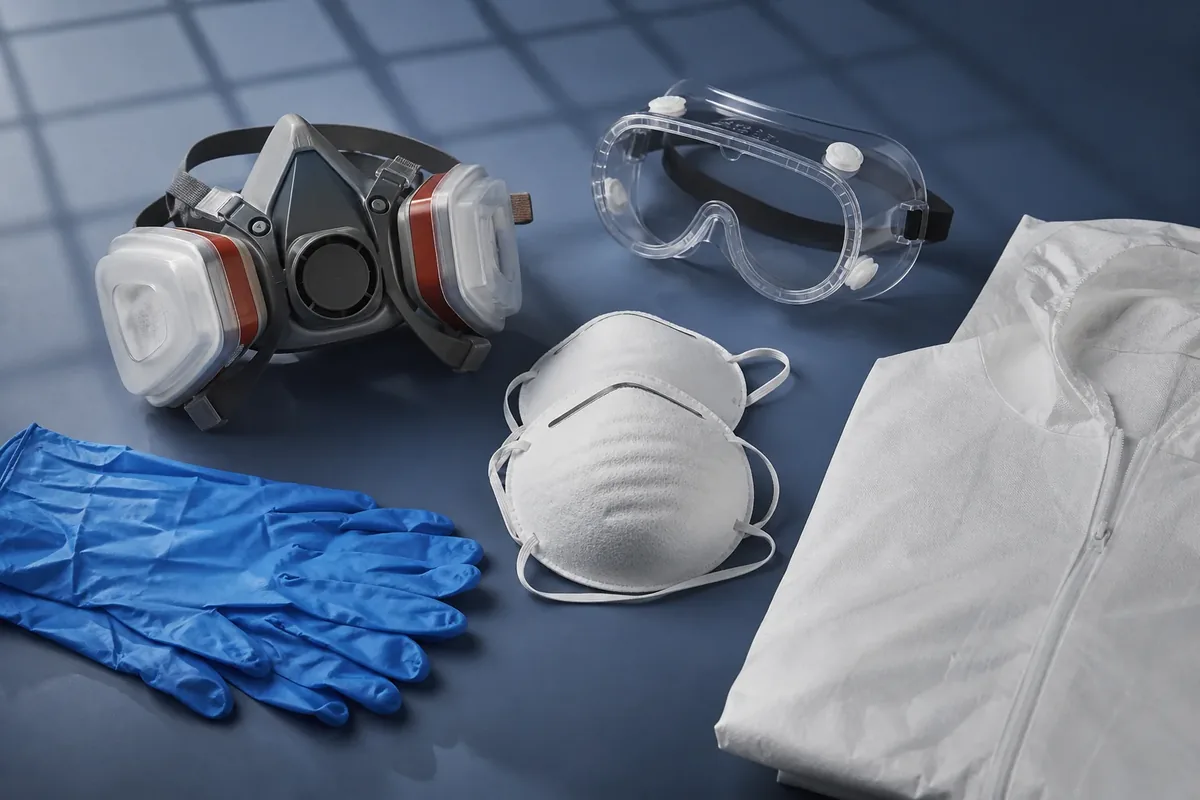
Business / Community FAQ
Quick responses to compare uses, limits and protection priorities.
Is an NRBC PCA reserved for industrial sites?
No. ERPs, communities, businesses, schools, warehouses and associations can formalize simple reflexes adapted to their exposure.
What PPE stock should you need?
The stock depends on the workforce, sizes, scenarios, durations and replenishment time. It must be checked regularly.
Who should decide in the event of an alert?
A referent and a substitute must be identified, with a clear rule: follow the authorities and do not improvise any intervention.
How often to test a PCA?
At least once a year and after any significant change in premises, team, activity or risk. A short and regular test is better than a rare and overly complex exercise.
References used for this guide
 Civil security - Industrial accident
Instructions for sheltering, closing openings, stopping ventilation and listening to the authorities in the event of an industrial accident.
Civil security - Transport of dangerous materials
Reflexes when faced with an accident transporting dangerous materials: distancing, shelter, closing vents and respecting instructions.
Civil security - Nuclear accident
Preparation, containment, evacuation on order and iodine intake only according to official instructions.
 INRS - Protective equipment individual
Reminder that PPE complements risk elimination or reduction measures and must be adapted to the work context.
INRS - Individual protection against chemical risks
Choice of chemical PPE after risk assessment, limits of protection and need for suitable gloves, glasses, clothing or respiratory devices.