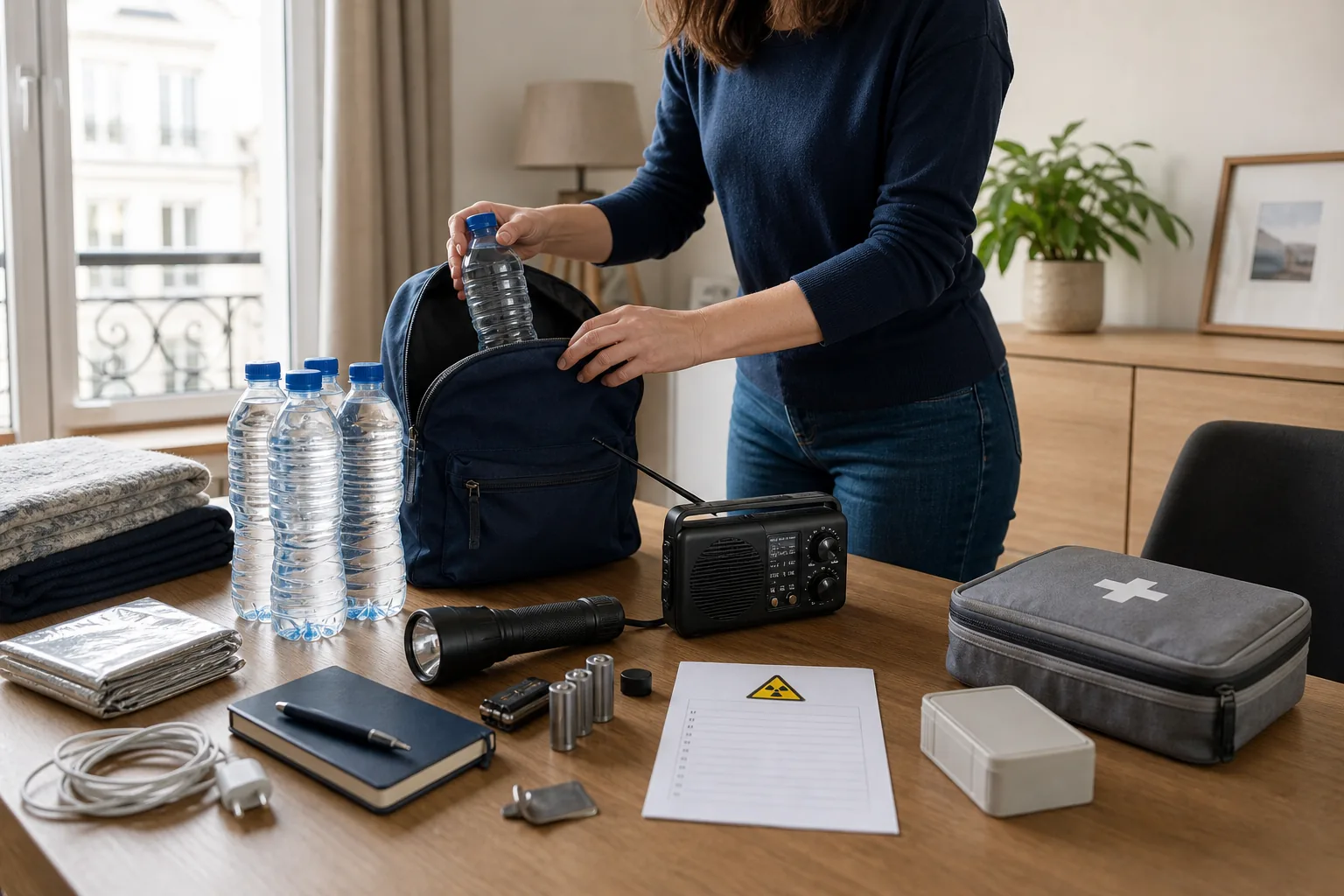
Radiological PPE mainly limits contamination by particles, not all radiation. In the event of a nuclear alert, the priority is to take shelter, listen to the authorities, avoid going out and only take stable iodine on official orders.
Radiation and contamination: two different logics
A radiological or nuclear risk may involve exposure to radiation, contamination by radioactive particles deposited on skin, clothing or surfaces, or internal contamination through inhalation or ingestion. The protections do not all address the same problem.
A disposable suit, gloves, overshoes and a filtering mask can limit the deposition of radioactive dust and reduce certain transfers of contamination. They do not provide shielding against all radiation. Time, distance, suitable screen and official instructions remain decisive.
Decisions on confinement, evacuation, taking stable iodine or dietary restrictions are the responsibility of the authorities. Iodine should not be taken on one's own initiative: it responds to specific situations and official instructions.
Prepare without dramatization
Defensive preparation may include FFP3 masks, gloves, coveralls, overshoes, goggles, waste bags, marking tape, wipes, change of clothes, radio, external battery and essential documents. These elements serve to limit the transfer of contamination and to better organize waiting or leaving if authorized.
After potential exposure to contaminated dust, the general logic is to leave the area if possible, remove outer clothing carefully, isolate it in a bag, shower with soap and water when possible, then follow the control or management instructions.
For businesses and communities, the priority is organization: safety representative, information plan, reasonable storage of PPE, posted instructions, inventory, procedure for closing premises and ability to communicate quickly.
Understand what the household can really do
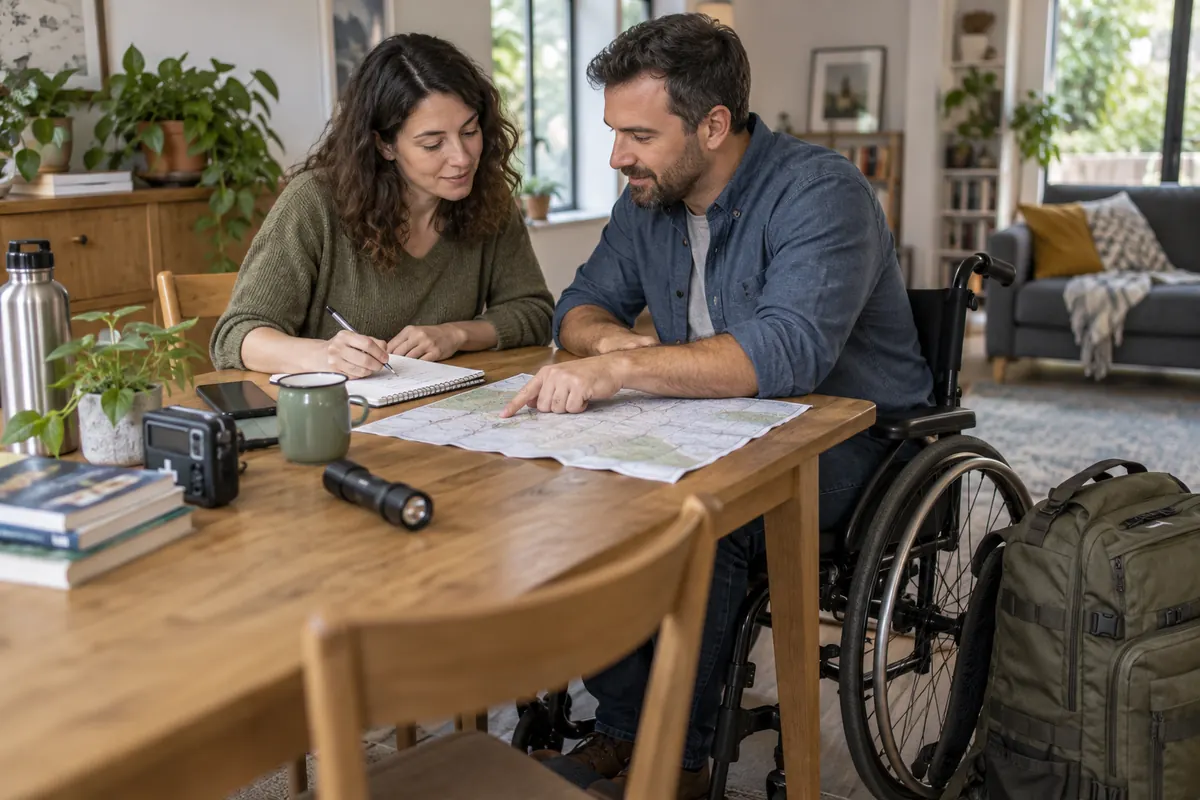
The individual does not have to measure or interpret a radiological risk alone. Their role is to reach a building, close openings if requested, follow official messages and calmly prepare for a possible evacuation. The authorities have the measurements and knowledge of the plume necessary to adapt the instructions.
If exterior particulate contamination is suspected, removing the clothing layer, placing it in a bag, and washing gently may reduce transfer. Avoid shaking clothes or aggressively rubbing the skin. Wait for instructions for handling bags and objects.
The radio, medicines, papers, water and a means of communication are more important than a measuring device purchased without training. Clear family preparation allows you to remain available for instructions and to help vulnerable people in the household.
Reading a measurement: identify the quantity first
A becquerel describes radioactive activity, a gray the energy absorbed per unit mass, and a sievert an equivalent or effective dose. There is no universal conversion between these units.
Also distinguish dose from dose rate: µSv and µSv/h describe different quantities. When comparing readings, retain the full unit, location, time and measurement context. A single number cannot determine whether to take iodine or return to an area.
External irradiation alone does not mean that radioactive substances are present on a person. External contamination means material is deposited on skin or clothing; internal contamination means it has entered the body. A number displayed by an instrument cannot distinguish these situations without knowing what was measured.
| Unit | Quantity | Reference |
|---|---|---|
| Bq | Source activity | 1 Bq = one disintegration per second. |
| Gy | Absorbed dose | 1 Gy = 1 joule per kilogram. |
| Sv | Equivalent or effective dose | 1 mSv = 1,000 µSv; interpretation depends on the exposure. |
Useful data at a glance
Orders of magnitude and simple controls to adapt to your situation. Local instructions always remain a priority.

Exposure reduction
Time, distance and suitable screen.

To take iodine
Only on instructions from the authorities.
To pick up children
Establishments apply their own plan.
Quick check before you need it
- Join quickly a solid building
- Close openings and ventilation if requested
- Listen to radio and official messages
- Prepare papers, treatments and possible departure
- Take iodine only on order
Recommended situations and routes

Official alert
Take shelter, listen to radio or official channels, limit calls, close openings if requested and wait for instructions.
Deep: Official alert
Suspicious dust or deposits
Avoid contact, protect respiratory tract and skin if necessary, isolate potentially contaminated clothing.
Deep: Suspicious dust or deposits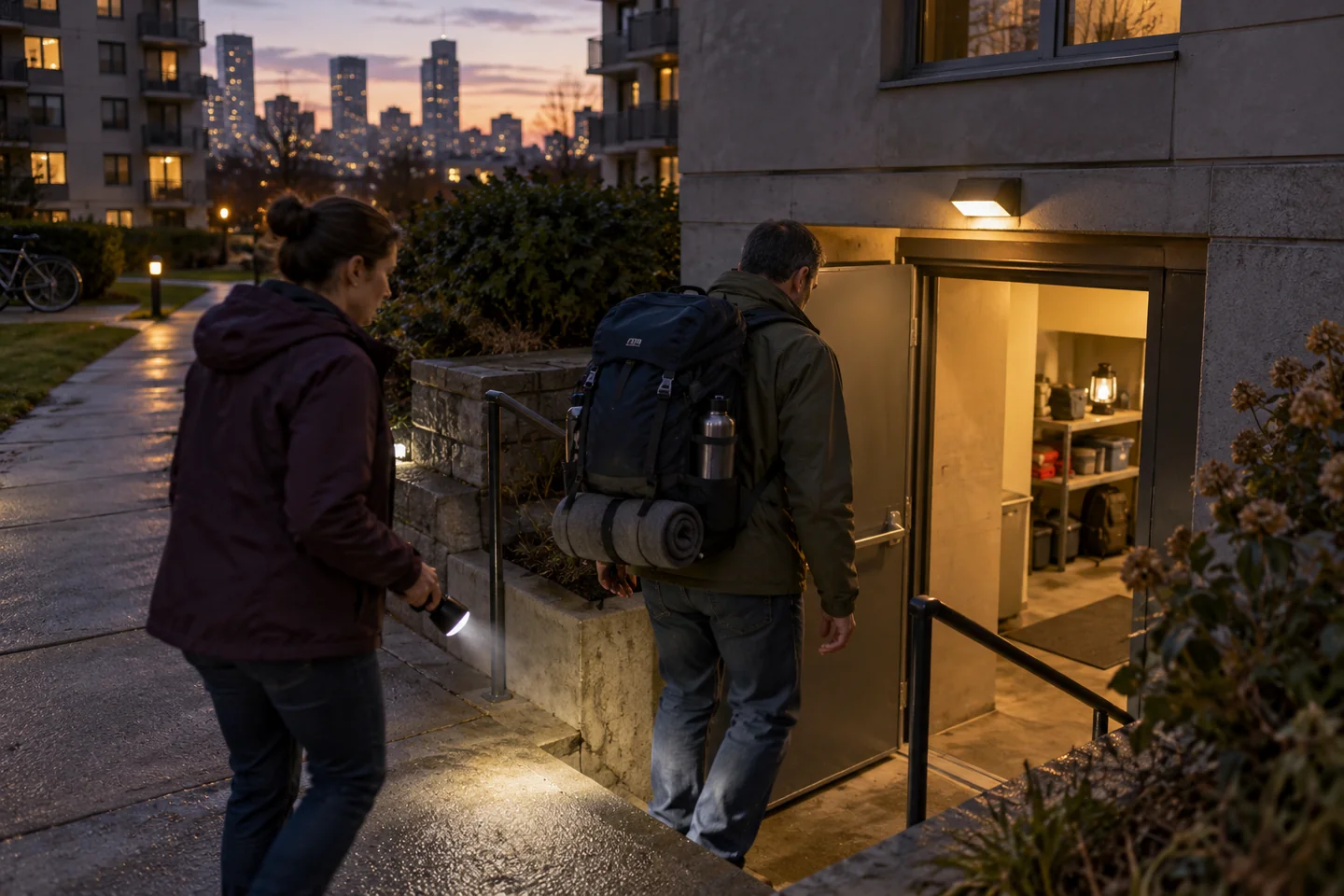
Return to a clean zone
Careful removal of outer layers, separation of waste, washing, clean clothing and follow control instructions.
Deep: Return to clean zone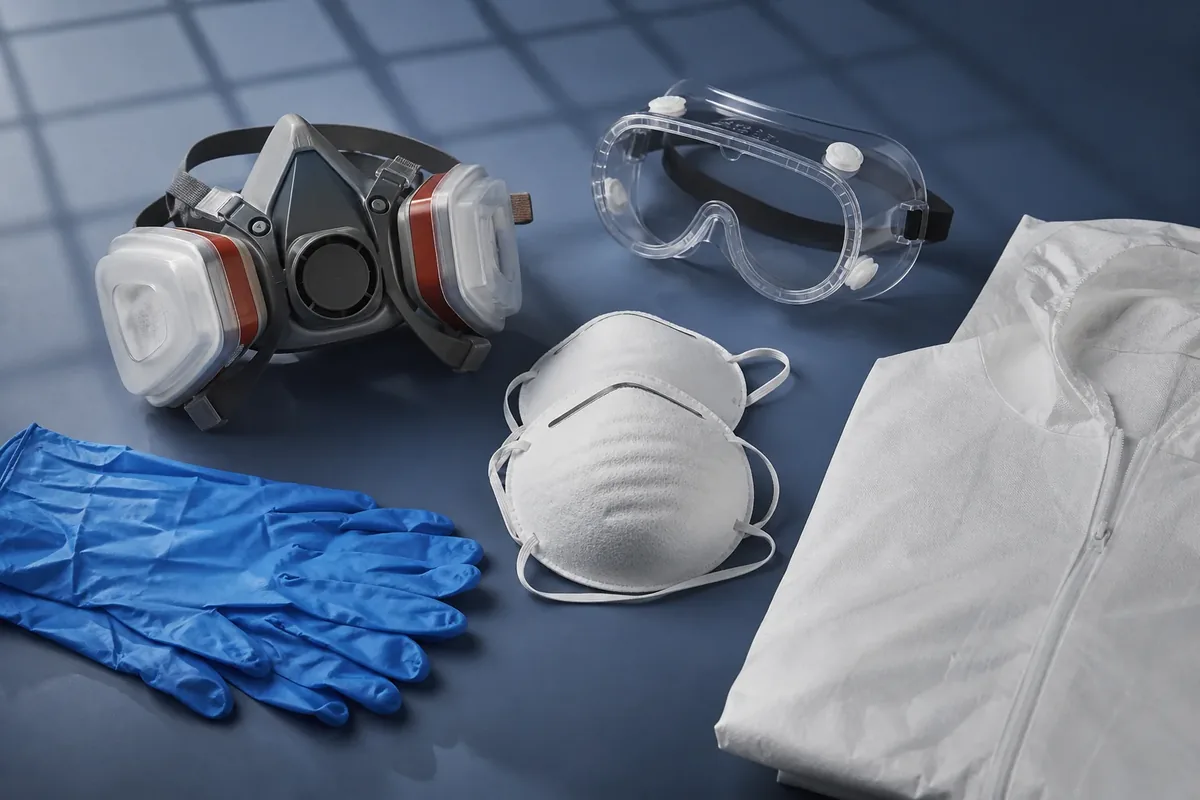
Radiological/nuclear risk FAQ
Quick responses to compare uses, limits and protection priorities.
Does a suit protect against radiation?
It can limit contamination of the skin and clothing by particles, but it does not block all radiation.
Should stable iodine be taken?
Only when the authorities do so. ask. Taking iodine depends on the type of accident, the time frame, age and health situation.
What does it mean to confine yourself?
Take shelter in a building, close openings and ventilation if requested, follow official messages and avoid going out until the instructions change.
Is a general public meter enough to decide?
No. An isolated measurement can be poorly performed or misinterpreted. Decisions on containment, iodine or evacuation rest with the competent authorities.
References used for this guide
 Civil security - Nuclear accident
Preparation, containment, evacuation on order and iodine intake only according to official instructions.
Civil security - 72-hour emergency kit
Family or professional preparation, short-term autonomy, radio, water, medicines, documents and regular checking of the kit.
 WHO - Chemical, Biological, Radiological and Nuclear capacities
International vision of CBRN preparation, specialized capabilities and health coordination.

Explore more CBRN guides