Defensive CBRN decontamination consists of limiting the transfer of contamination: separate the dirty area from the clean area, remove PPE without shaking, isolate the waste, clean gently and follow the instructions depending on the chemical, biological or radiological risk.
Decontamination is first and foremost an organization
Decontaminate means to reduce or avoid the transfer of a contaminant. In a defensive approach, we separate the dirty area from the clean area, we limit movement, we prepare waste bags, we remove PPE in a consistent order and we avoid touching our face or clean clothes.
For a biological risk, wet cleaning and disinfection of surfaces can reduce exposure. For a chemical risk, the product sheet and material compatibility are essential. For a radiological risk, outer clothing can transport particles: their removal and isolation are often more important than complicated procedures.
Actions must remain simple: report, isolate, protect, remove, pack, clean, wash. Unknown, toxic, industrial or massive situations are the responsibility of trained professionals.
Practical order to limit the transfer
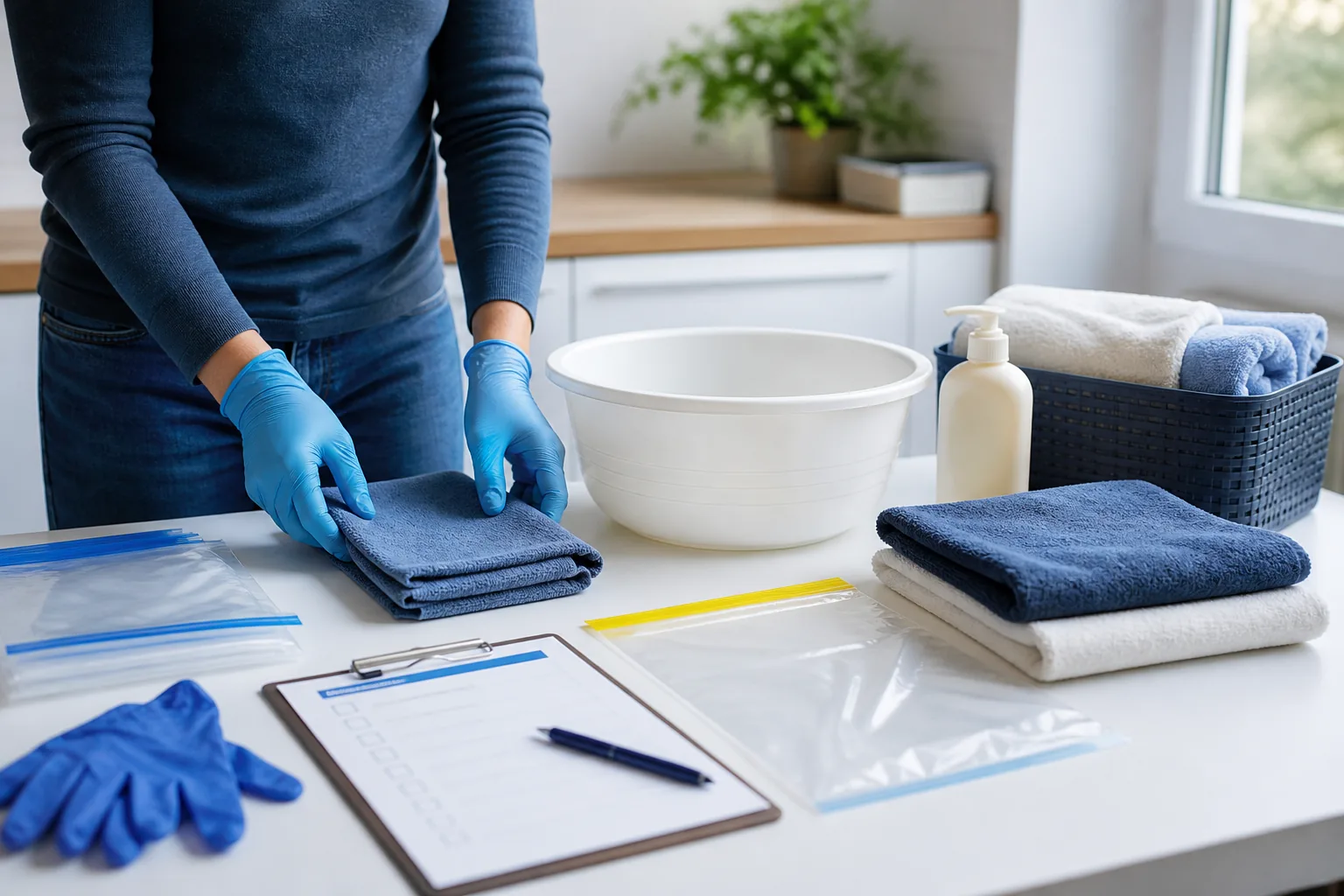
Prepare: define entry and exit, place bags, wipes, water, soap, clean clothes and dedicated trash can. Protect: wear PPE appropriate to the identified risk. Remove: remove the most contaminated items without shaking, roll inwards if possible, place in a bag.
Clean: favor gentle gestures, humidification and controlled wiping. Disinfect: use products adapted to the biological risk when this is the scenario. Wash: hands, forearms, face if indicated, full shower if extensive and possible exposure.
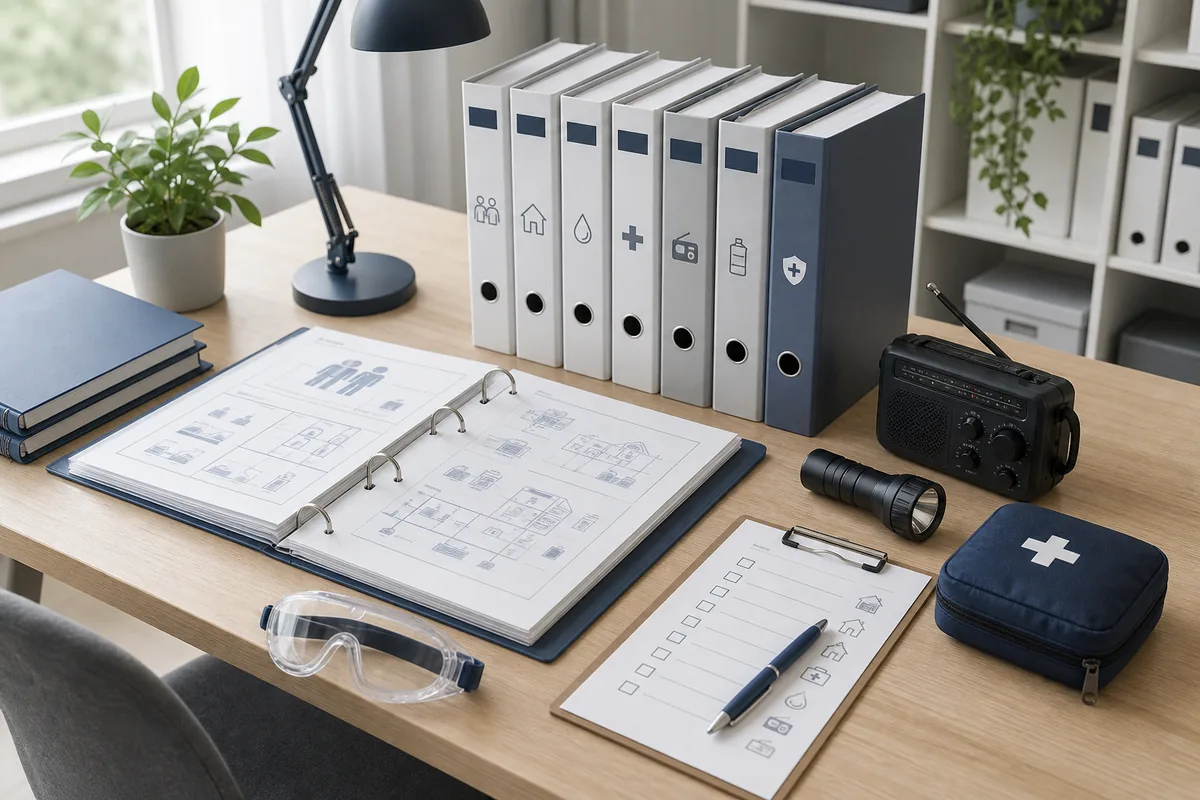
Document: for a company, note the area, time, people exposed, PPE used, waste isolated and actions taken. This trace helps the safety manager and emergency services.
Avoid moving the problem from one room to another
Decontamination begins with organizing the space. Delineate what is suspicious, what remains clean, and the exit path. Place bags, spare clothes and authorized products in advance so as not to open cupboards or touch handles with soiled gloves.
Removing an outer layer can already greatly reduce particle contamination. Place clothes in a bag without shaking them, wash skin gently according to appropriate instructions and avoid mixing products. A chemical reaction between cleaners can create additional danger.
Porous objects, electronic devices and large surfaces sometimes require specialist advice. In the event of an unknown product, symptoms, significant projection or extensive contamination, isolate the area and contact the competent services rather than improvising.
Why a disinfected surface can become contaminated again
Disinfection acts on microorganisms present at the time of treatment. It does not create a lasting barrier: a hand, cloth or dirty object can contaminate the surface again. INRS’s 2026 guidance recommends targeted disinfection based on an assessment of the situation.
When reading instructions, distinguish the claimed activity spectrum, contact time and application conditions. “Bactericidal”, “virucidal” and “sporicidal” are not interchangeable. Plan prior cleaning and the handling of clean equipment; using more products cannot correct an unsuitable procedure.
Keep three timings separate: the product expiry date, its usable life after opening or dilution where specified, and the contact time required for the claimed action. None can be inferred from the other two. Do not use a surface product on skin unless that use is expressly intended.
| Check | Useful question |
|---|---|
| Target | Does the claimed activity cover the microorganisms concerned? |
| Surface | Do the instructions cover this material and surface use? |
| After treatment | How will you prevent dirty objects or equipment touching the surface again? |
Useful data at a glance
Orders of magnitude and simple controls to adapt to your situation. Local instructions always remain a priority.
Flow to organize
Dirty, transition and own.

Progress
From clean to dirty, never back and forth.

Household products
Follow only one suitable instruction.
Quick check before you need it
- Isolate the area and limit access
- Prepare clean bags and clothes before starting
- Remove the external layers without shaking them
- Wash gently according to the instructions
- Request specialist advice if the product is unknown
Recommended situations and routes

Biological dusts
Ventilate, humidify, avoid shaking, wear FFP2/FFP3, gloves and glasses, throw away consumables in a closed bag.
Find out more: Biological dust
Chemical projection
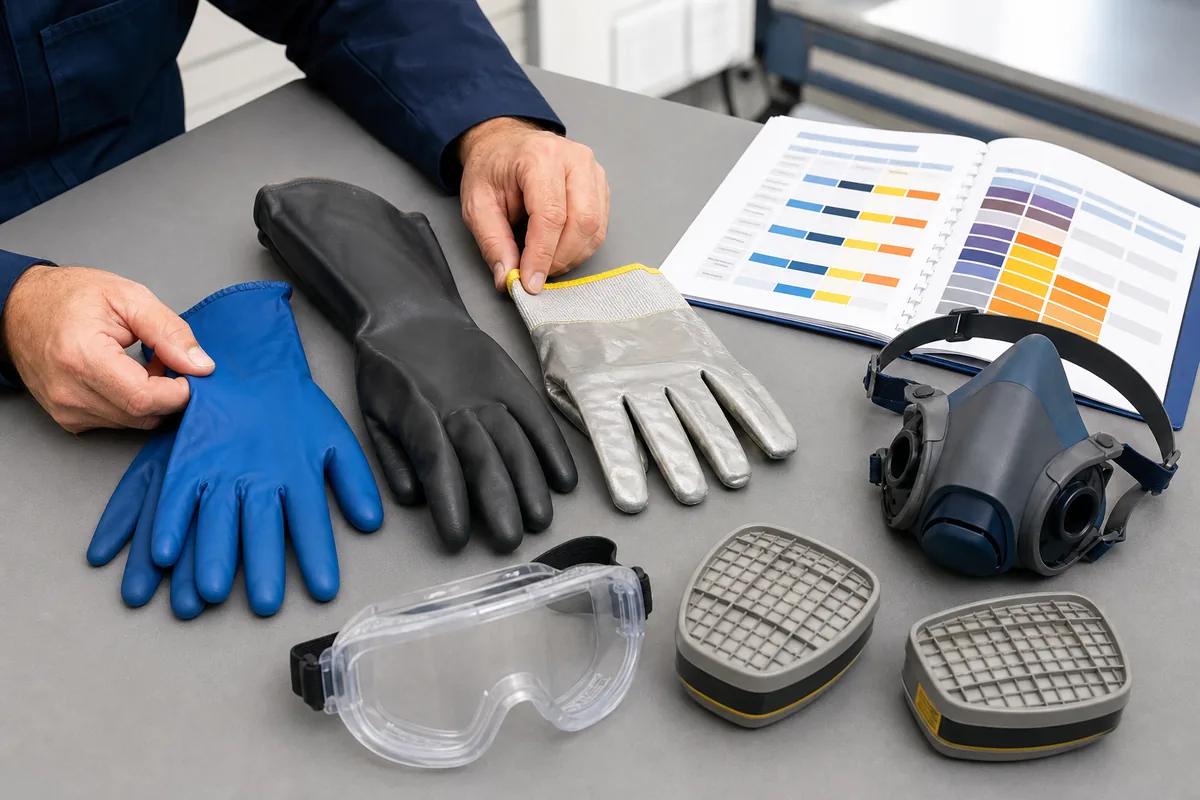
Avoid contact, follow the data sheet, choose compatible gloves, rinse if indicated and do not mix products.
Deep: Chemical projection
Suspicious particle deposit
Limit travel, remove outer layer, insulate clothing, wash and wait for control instructions.
Go deeper: Suspicious particle deposit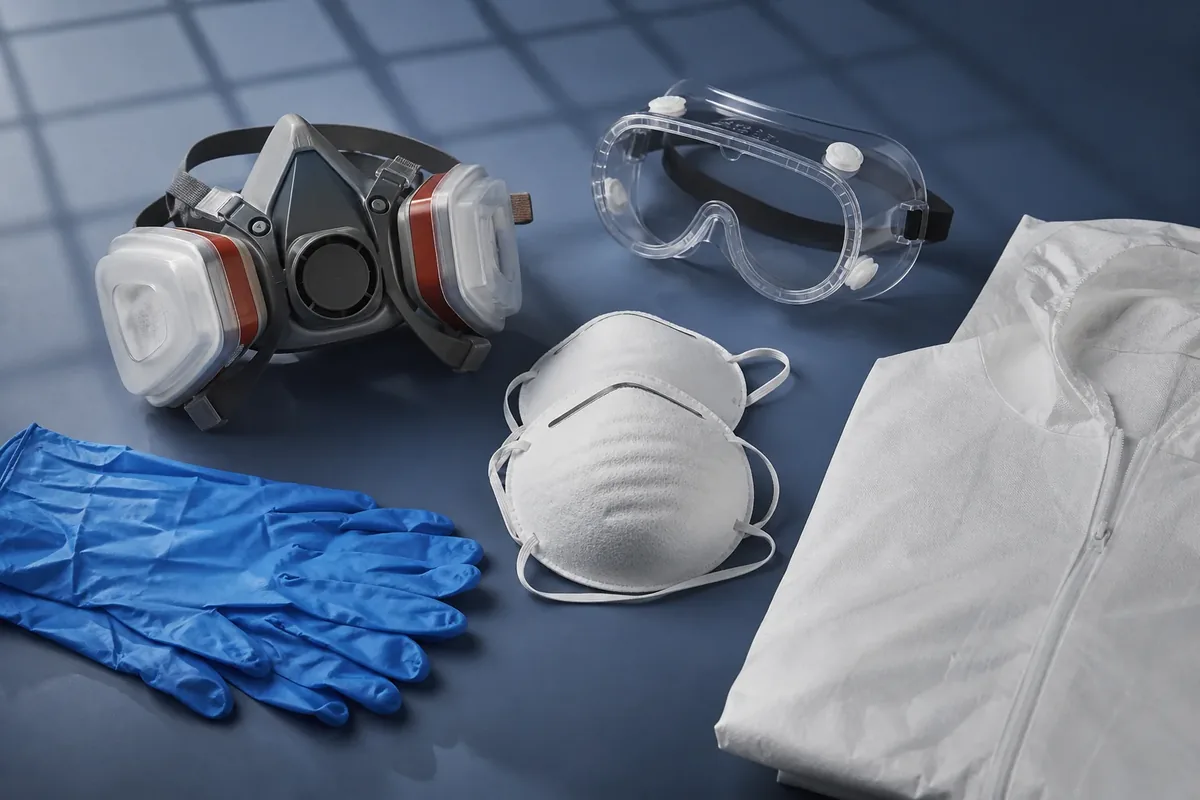
FAQ Defensive decontamination
Quick responses to compare uses, limits and protection priorities.
Should contaminated clothing be shaken off?
No. Shaking can resuspend particles. It is better to remove gently and isolate in a bag.
Can everything be disinfected with the same product?
No. Product depends on contaminant, surface and compatibility. Improvised mixtures can create a chemical danger.
Why create a clean zone and a dirty zone?
This separation limits transfer to uncontaminated objects, handles, vehicles, living rooms and clothing.
Can we mix several disinfectants?
No. Mixtures may produce toxic gases or reduce efficiency. Use a single suitable product, according to its label and official instructions.
References used for this guide
 Ministry of Health - Hantavirus and FHSR
Transmission mainly associated with rodents, contaminated dust and medical conduct in the event of symptoms after exposure.
 INRS - Individual protection against chemical risks
Choice of chemical PPE after risk assessment, limits of protection and need for suitable gloves, glasses, clothing or respiratory devices.
 Civil security - Nuclear accident
Preparation, containment, evacuation on order and iodine intake only according to official instructions.

Explore more CBRN guides