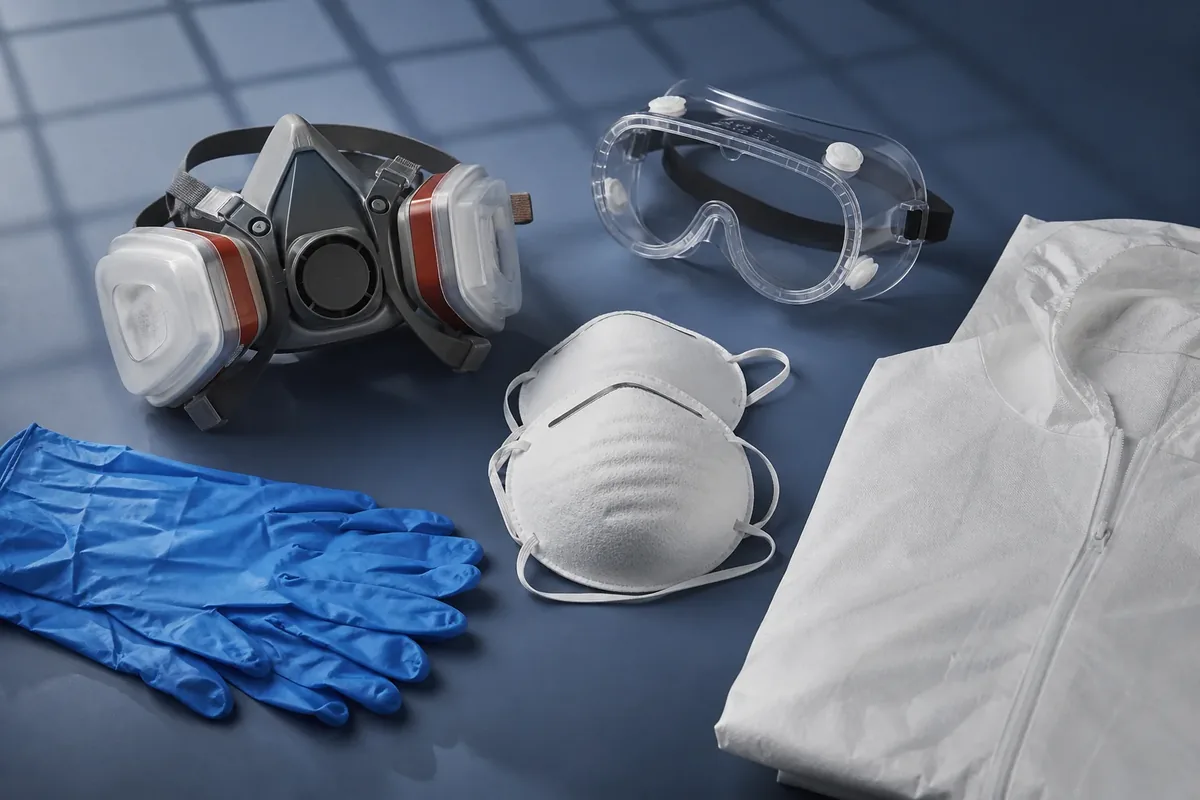
A useful NRBC kit combines respiratory protection, hand and eye protection, clothing or overalls, hygiene, waste bags and removal procedure. The choice depends on the risk: biological particles, identified chemical substance or radiological contamination.
Build protection in layers
NRBC protection is built in layers: respiratory tract, eyes, skin, hands, clothing, hygiene, surfaces and waste. No equipment is universal. The right choice depends on the danger, the objective, the duration of exposure and the ability to remove PPE without contamination.
For biological risks and particles, FFP2 or FFP3 masks are the most sought after. For certain chemical risks, specific filters and a compatible mask are required. For radiological risks, PPE mainly limits particle contamination, not exposure to the radiation itself.
A useful kit is not just a box of products: it includes a simple procedure, suitable sizes, consumables, accessible storage, replacement of expired products and a clear rule on when to move away rather than intervene.
Families of equipment to be linked to uses
Respiratory protection: FFP2, FFP3, half mask, full mask, particle filters and suitable cartridges. Hand protection: gloves depending on compatibility, short use, cleaning use or chemical exposure. Eye protection: goggles, face shield or visor.
Body protection: disposable suit, overcoat, shoe covers, apron, spare clothing. Hygiene and surfaces: hydroalcoholic gel, soap, wipes, sprays, paper towels, waste bags, area marking and tracking log.
CBRN DEFENSE SYSTEMS links these families to chemical, biological and nuclear risks in order to help visitors quickly understand which page to consult.
Compose a coherent whole rather than a collection of objects
Equipment never acts alone. A mask must be compatible with glasses, gloves must allow the intended actions and clothing must be able to be removed without contaminating clothing or skin. Before purchasing, imagine the entire sequence: set-up, work, removal, removal, cleaning and disposal.
Choose sizes adapted to each user and keep the instructions with the equipment. For a home, a few simple, well-identified references are often safer than a complicated assortment. For a company, inventory management, training and traceability become as important as the product itself.
No consumer kit covers an unknown substance or a dangerous atmosphere. If the risk is not clearly identified, stay away, prevent access and alert emergency services. PPE is used to reduce an assessed exposure, not to explore a suspicious area.
Chemical gloves: three failure mechanisms
A chemical can pass through a glove with no visible hole. Penetration, permeation and degradation describe different processes; a visual inspection cannot verify the full protection.
Ask for results for the exact glove model, chemical and concentration. Laboratory breakthrough time is not a guaranteed wearing time for the actual task: temperature, flexing and glove condition also matter.

| Process | What happens | What to examine |
|---|---|---|
| Penetration | Passage through a hole, seam or imperfection. | Integrity and test results for the model. |
| Permeation | Molecular diffusion through the material. | Breakthrough time and permeation rate for the tested chemical. |
| Degradation | Physical changes: swelling, hardening, cracking… | Chemical compatibility and replacement criteria. |
Fit test and user seal check: two different checks
A high-performing filter cannot compensate for a leak between the face and mask. For tight-fitting facepieces, a fit test helps select a model and size for a particular wearer. A competent operator must follow a suitable protocol.
Perform the user seal check each time the mask is put on, following its instructions. It does not replace a fit test. Facial hair in the seal area, spectacle arms or other equipment can disrupt contact; assess the complete combination worn.
| Check | When? | What it establishes |
|---|---|---|
| Fit test | When selecting the model; reassess after changes to the face or equipment. | Whether that model and size fit the person tested. |
| User seal check | Every time the mask is put on, following the manufacturer’s instructions. | No leak detected by that check at that moment; no guarantee for a different hazard. |
INRS · Protection respiratoire : réaliser des essais d’ajustement (ED 6273)
Filtering or supplied air: where does breathing air come from?
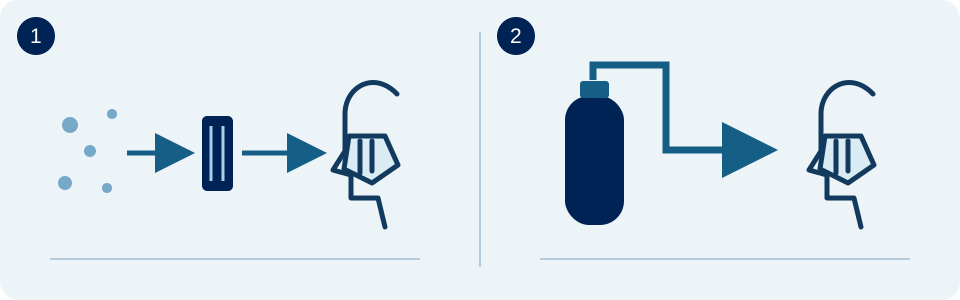
A filtering respirator uses ambient air and only removes contaminants covered by its filter. It does not supply oxygen. An atmosphere-supplying respirator provides breathing air from a source independent of the contaminated atmosphere.
This distinction does not let you select equipment on your own for a fire, a confined space or an unknown substance. Atmospheric assessment, training and rescue arrangements remain necessary. An FFP mask targets particles, not gases or vapours.
Useful data at a glance
Orders of magnitude and simple controls to adapt to your situation. Local instructions always remain a priority.
Protection to examine
Breathing, eyes, hands and clothing.
By reference
Kept with the equipment, not separately.

Miracle equipment
Each PPE responds to a defined risk.
Quick check before you need it
- Identify the agent, the task and the duration
- Check standard, size and expiry date
- Check mask, glasses and clothing compatibility
- Plan for removal, waste and cleaning
- Do a complete test in a safe environment
Recommended situations and routes

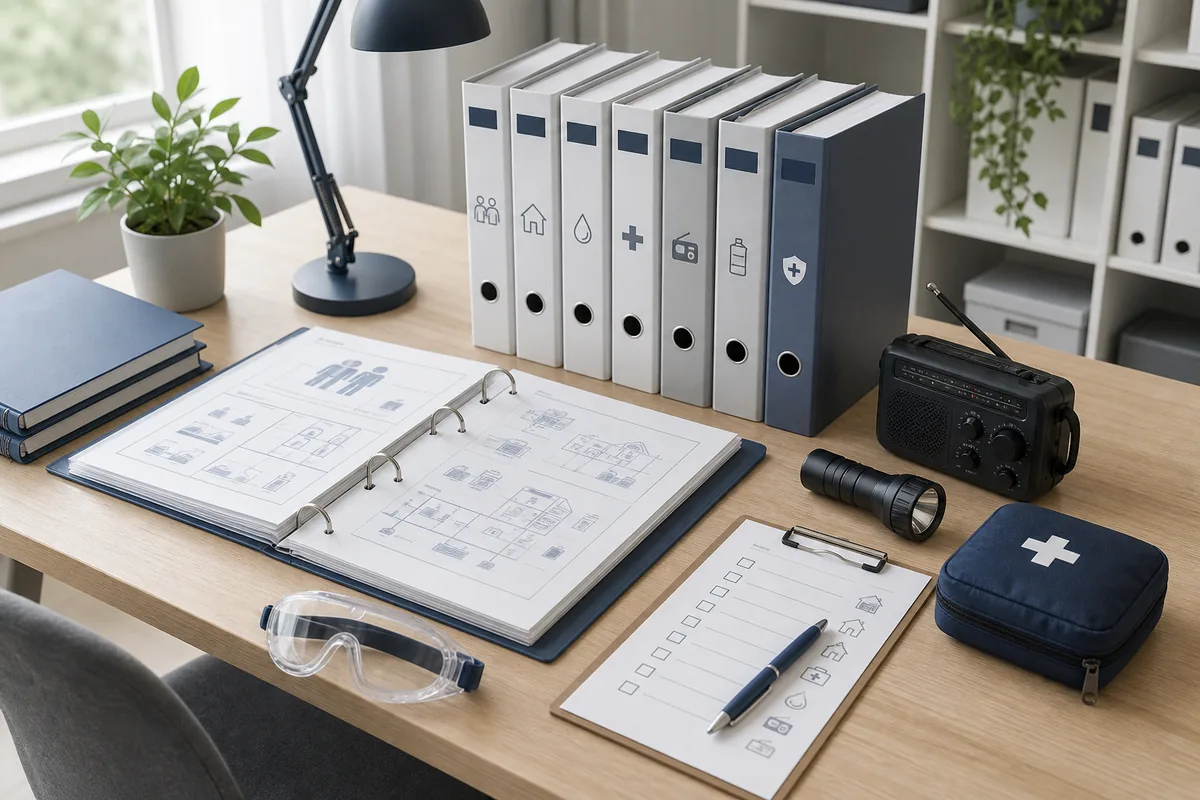
Biological home / workshop kit
FFP2/FFP3, gloves, glasses, wipes, waste bags, soap, wet cleaning protocol, ventilation and change of clothes.
Go deeper: Home / workshop biological kit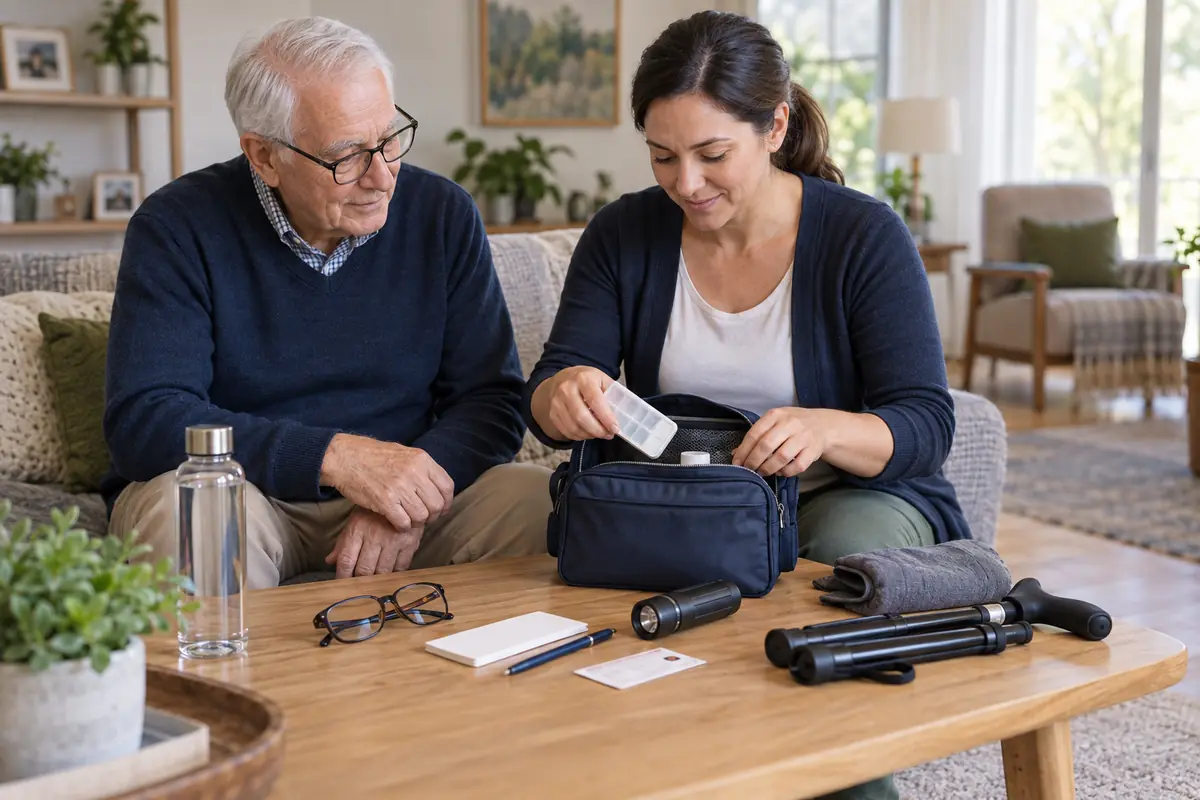
Business / ERP kit
Monitored stock, multiple sizes, display, gel, masks, gloves, safety representative, incident procedure and distribution points.
Go deeper: Business kit / ERP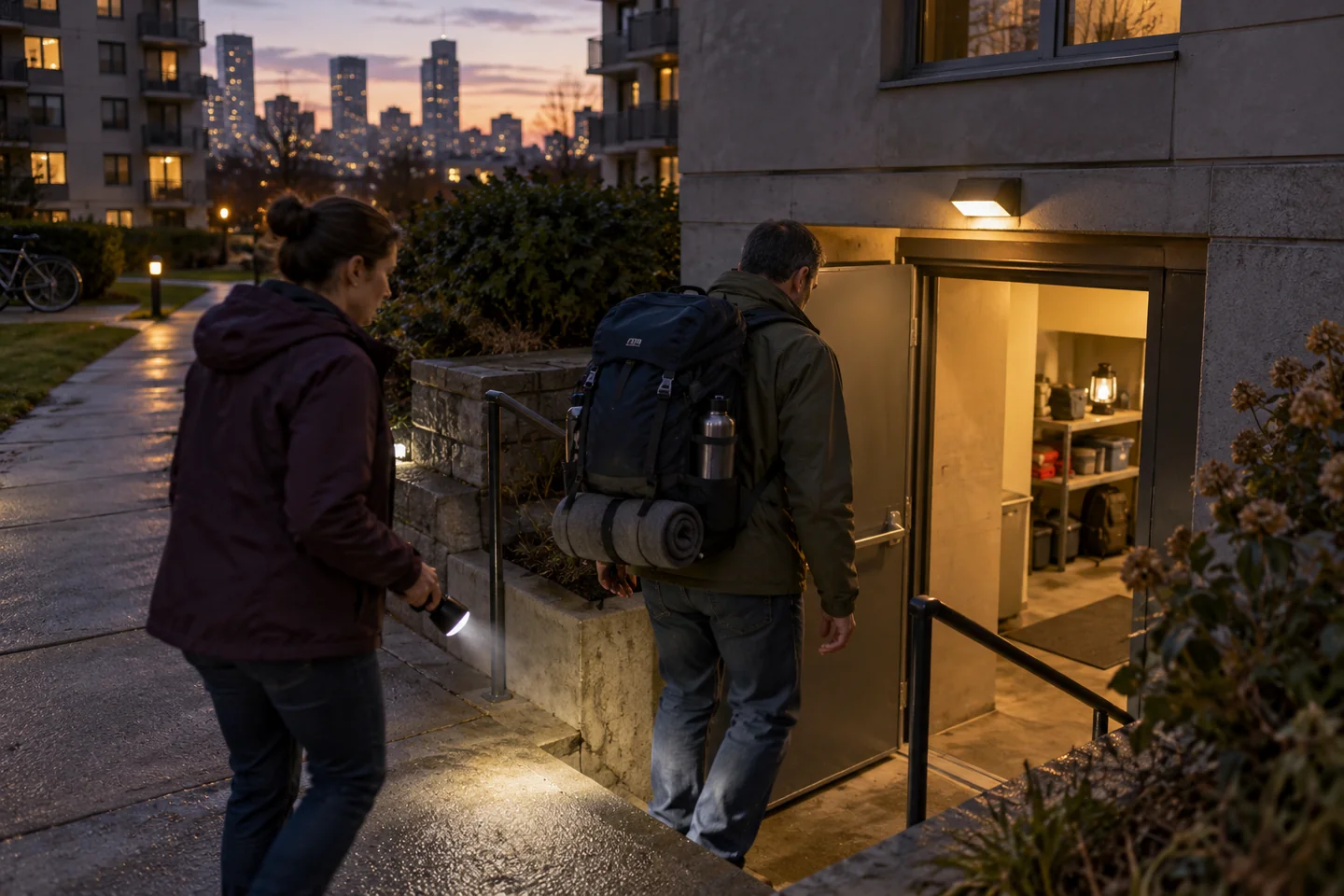
Contaminated surface kit
Gloves, glasses, wipes, paper towels, bags, clean zone / dirty zone, disposal of consumables and hand washing.
Find out more: Surface kit contaminatedCompare equipment and consumable costs
Compare two items that already meet the same need and requirements. Choose a common period, then enter tax-inclusive prices and the number of replacements planned according to the instructions. Do not count consumables included with the purchase twice.
Delivery, energy, servicing and disposal are excluded. A lower cost does not establish compliance or suitability. Nothing entered is sent or saved.

FAQ NRBC PPE Guide
Quick responses to compare uses, limits and protection priorities.
What is the minimum equipment?
For general preparation use, the basics are suitable mask, gloves, glasses, hand hygiene, disinfection and waste bags. The level increases according to the risk.
Should you buy a full face mask?
Only if the scenario warrants it and filters, adjustment, maintenance and training follow. A poorly used full face mask can be less useful than a simple, well-executed response.
How to make a kit useful to the teams?
The kit must be visible, dated, designed to users, accompanied by a short procedure and checked regularly.
Should PPE be tested before an emergency?
Yes, in a safe environment. The test makes it possible to check the size, compatibility, comfort and ability to remove the equipment properly.
References used for this guide
 INRS - Protective equipment individual
Reminder that PPE complements risk elimination or reduction measures and must be adapted to the work context.
INRS - Individual protection against chemical risks
Choice of chemical PPE after risk assessment, limits of protection and need for suitable gloves, glasses, clothing or respiratory devices.
 Civil security - 72-hour emergency kit
Family or professional preparation, short-term autonomy, radio, water, medicines, documents and regular checking of the kit.

Explore more CBRN guides