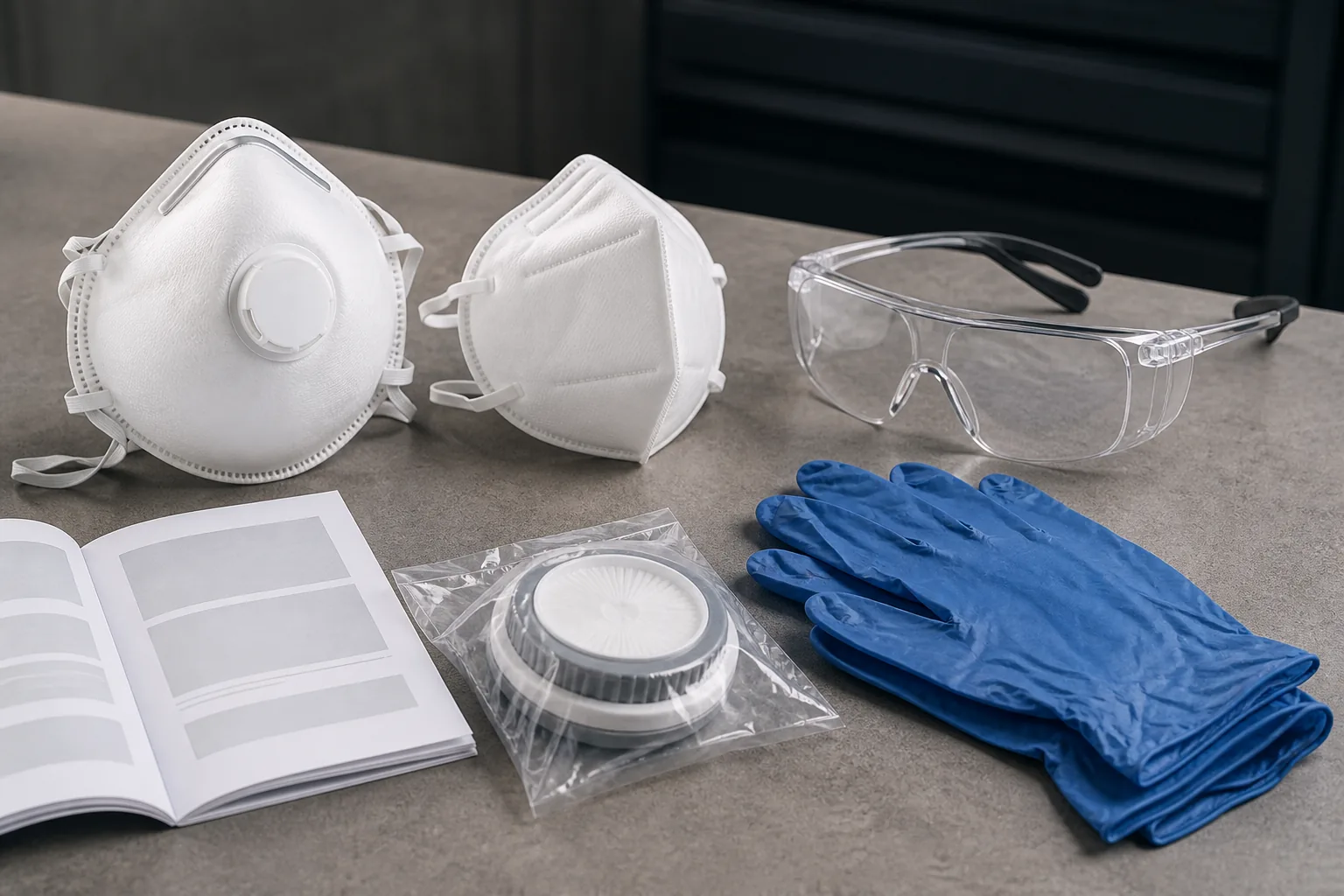
CBRN DEFENSE SYSTEMS helps to choose useful families of equipment, to understand their limits, to compare brands and to prioritize a budget according to the real risk.
Move from a store to a useful comparator
A good buying guide does not push an isolated product. It begins with the need: to stay informed, to provide lighting, to store water, to take care of small incidents, to evacuate, to limit exposure, to protect a home or to prepare for a professional activity.
Each comparison distinguishes the families of equipment, the selection criteria, points of vigilance, real uses, limits and reliable sources.
The guides cover respiratory protection, hygiene, gloves, glasses, kits, fire, autonomy, home, outdoors, family emergency and professional purchases.
The big universes to compare
72-hour emergency: radio, lamp, batteries, water, long-life food, first aid kit, documents, cash, clothing and evacuation bag.
Domestic protection: smoke detectors, adapted fire extinguishers, fire blanket, gas/electricity cuts, emergency lighting, alarms, door security and home insurance.
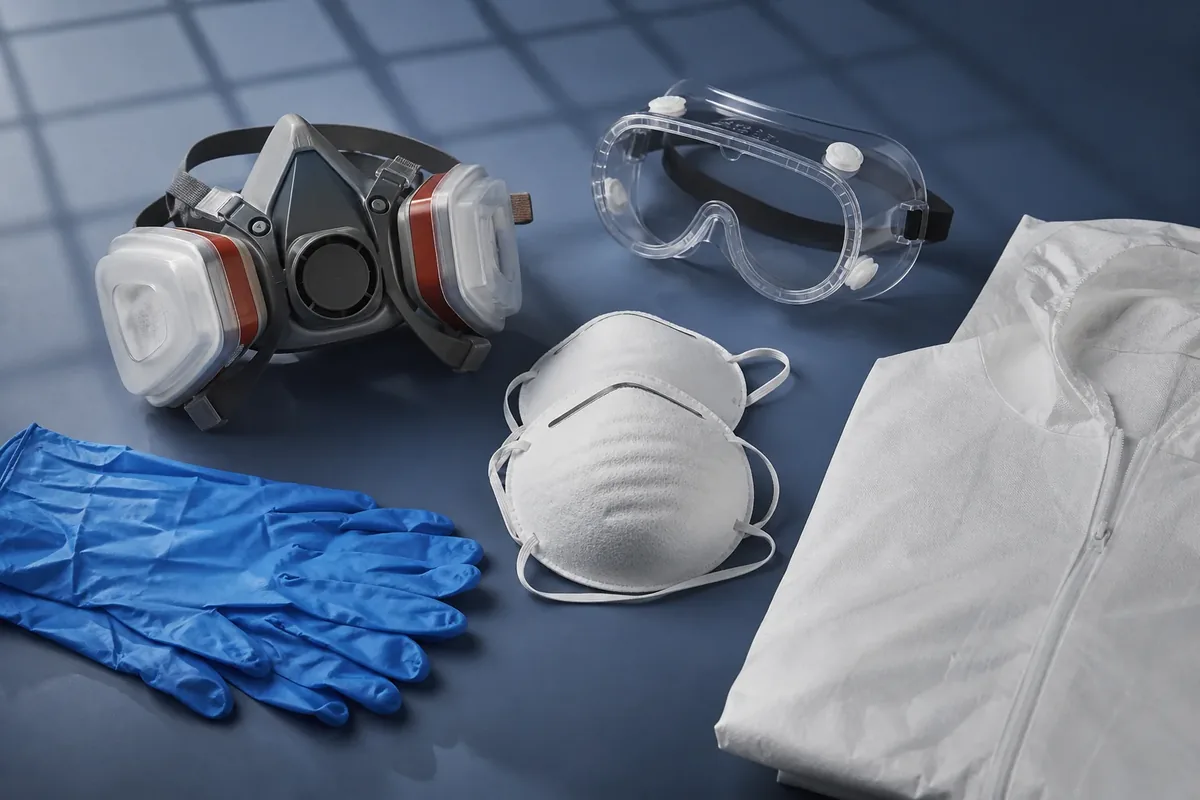
Individual protection: respiratory protection adapted to particles, glasses, gloves, covering clothing, hygiene, disinfection, without making it appear that generic equipment covers all risks.
Autonomy and survivalism: water, filtration, cooking, safe auxiliary heating, communication, portable energy, storage, family organization and rotation of consumables.
Comparison criteria
Comparing the price is not enough. You have to look at the standards, lifespan, compatible consumables, availability, after-sales service, verified opinions, technical sheets and ease of use for an individual.
General signs are practical for DIY, camping or family emergencies. PPE and security suppliers are more suited to companies, workshops, ERP, communities and recurring needs.
The directory page allows you to distinguish between home purchases, outdoor purchases, professional purchases, fire safety, energy, water, hygiene, first aid and official information.
Buy less, but buy knowingly
Before filling a basket, write the problem to be resolved in one sentence. “Lighting the home during a power outage” or “protecting the eyes during detailed cleaning” leads to a much fairer choice than “buying emergency equipment”. This step eliminates many attractive but unhelpful accessories.
Then compare the full cost: consumables, batteries, filters, maintenance, storage and replacement. An inexpensive product can become expensive if it uses a rare format or if it has to be thrown away quickly. Conversely, simple, known and repairable equipment can provide service for years.
On receipt, read the instructions, check the size and do a safe test. Keep proof of purchase and note the inspection date. If equipment is too complicated to be used by the people concerned, the best choice is often to return it and opt for a clearer solution.
After purchase: check recalls by reference and batch
A recall concerns an identified product, sometimes only particular batches or sales periods. A brand appearing in a directory does not guarantee the absence of recalls. Record the model, reference, batch number and proof of purchase before searching France’s RappelConso portal.
If your product is affected, stop using it and follow the notice’s instructions for contact, return or other action. The absence of a search result does not certify its safety; retain the manufacturer’s documents and report a defect to the seller.
| Keep | Purpose |
|---|---|
| Model and reference | Distinguish products sold under the same brand. |
| Batch or serial number | Check the exact scope of the notice. |
| Purchase date and receipt | Prepare follow-up with the seller. |
Useful data at a glance
Orders of magnitude and simple controls to adapt to your situation. Local instructions always remain a priority.
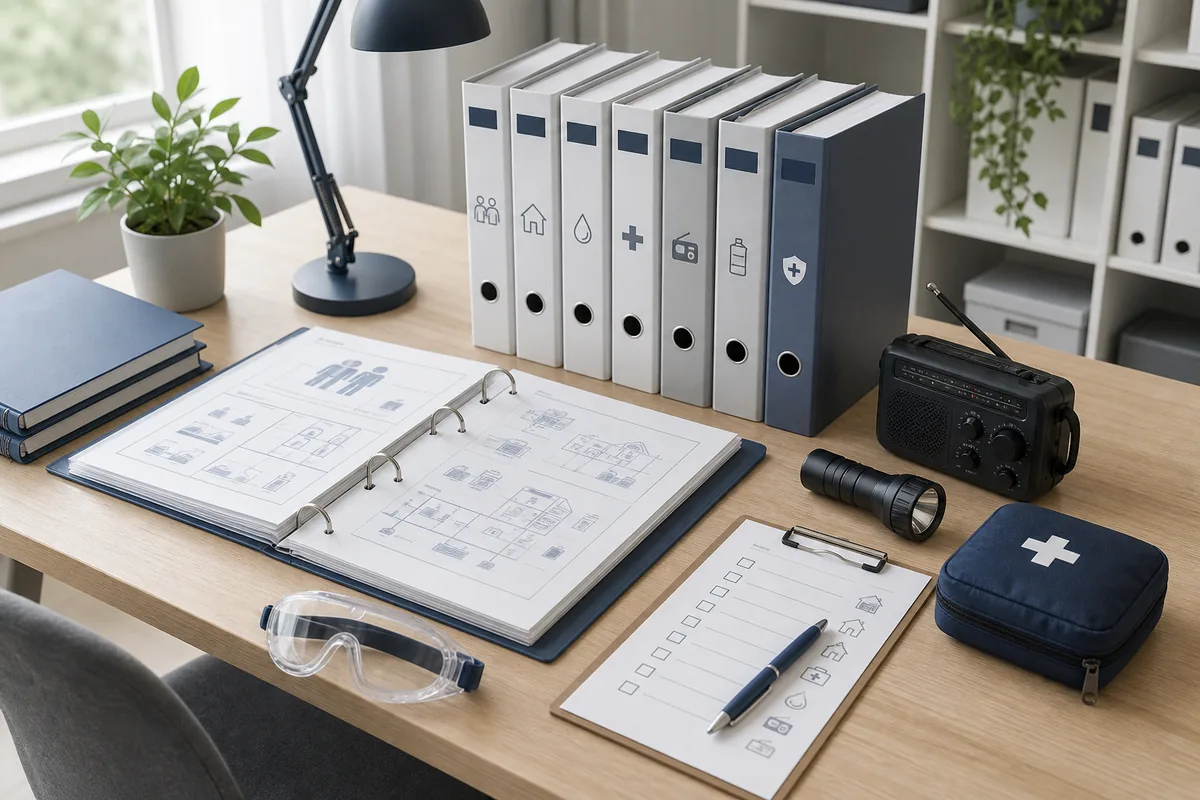
Minimum comparison
Compare references truly equivalent.
Full cost
Purchase, delivery, consumables, maintenance and replacement.
Before storage
Size, simplicity, compatibility and instructions.
Quick check before you need it
- Define the need before the product
- Check reference, standard and manufacturer
- Compare the cost with consumables
- Read the return and warranty conditions
- Test the equipment upon receipt
Recommended situations and routes

Putting together a family kit
Start with 72-hour autonomy, then add fire, hygiene, documents and communication.
Find out more: Create a kit family
Compare brands
Find general, outdoor, DIY, PPE, fire and rescue sites as needed.
Find out more: Compare brands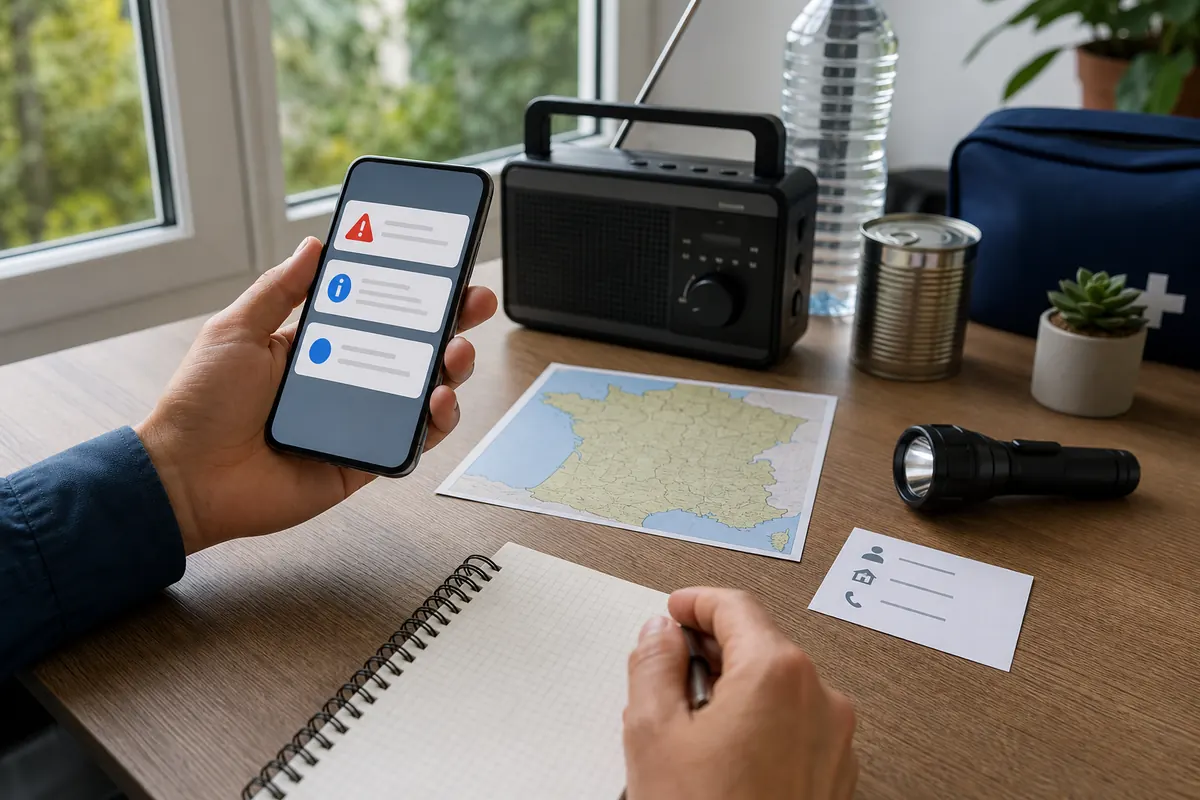
Prioritize a budget
First alert, water, light, care, energy, fire and information, then specialized equipment.
Deep: Prioritize a budgetCompare equipment and consumable costs
Compare two items that already meet the same need and requirements. Choose a common period, then enter tax-inclusive prices and the number of replacements planned according to the instructions. Do not count consumables included with the purchase twice.
Delivery, energy, servicing and disposal are excluded. A lower cost does not establish compliance or suitability. Nothing entered is sent or saved.
FAQ Guide of purchase
Quick responses to compare uses, limits and protection priorities.
Does the site sell products directly?
No. CBRN DEFENSE SYSTEMS compares, explains, classifies brands and helps you choose without directly selling equipment.
How are partnerships reported?
All sponsored content or partner links must be clearly identified and does not modify the safety criteria presented.
Why keep the risk guides?
They give the context: a useful purchase depends on the scenario, the limitations of the equipment and official instructions.
How to avoid impulsive purchases?
Start with a specific scenario, set a budget, compare three offers and wait until you have read the instructions. First buy what is also used in everyday life.
References used for this guide
 Civil security - 72-hour emergency kit
Family or professional preparation, short-term autonomy, radio, water, medicines, documents and regular checking of the kit.
 INRS - Protective equipment individual
Reminder that PPE complements risk elimination or reduction measures and must be adapted to the work context.
Civil security - Domestic fire
Prevention of domestic fires, smoke detector, evacuation, call 18 or 112, shelter if common areas are smoked.