Fire smoke may contain particles, irritant gases, carbon monoxide and toxic compounds. An FFP2 or FFP3 does not filter these gases and never replaces evacuation, shelter or self-contained breathing apparatus used by trained responders.
Why fumes cannot be managed like dust
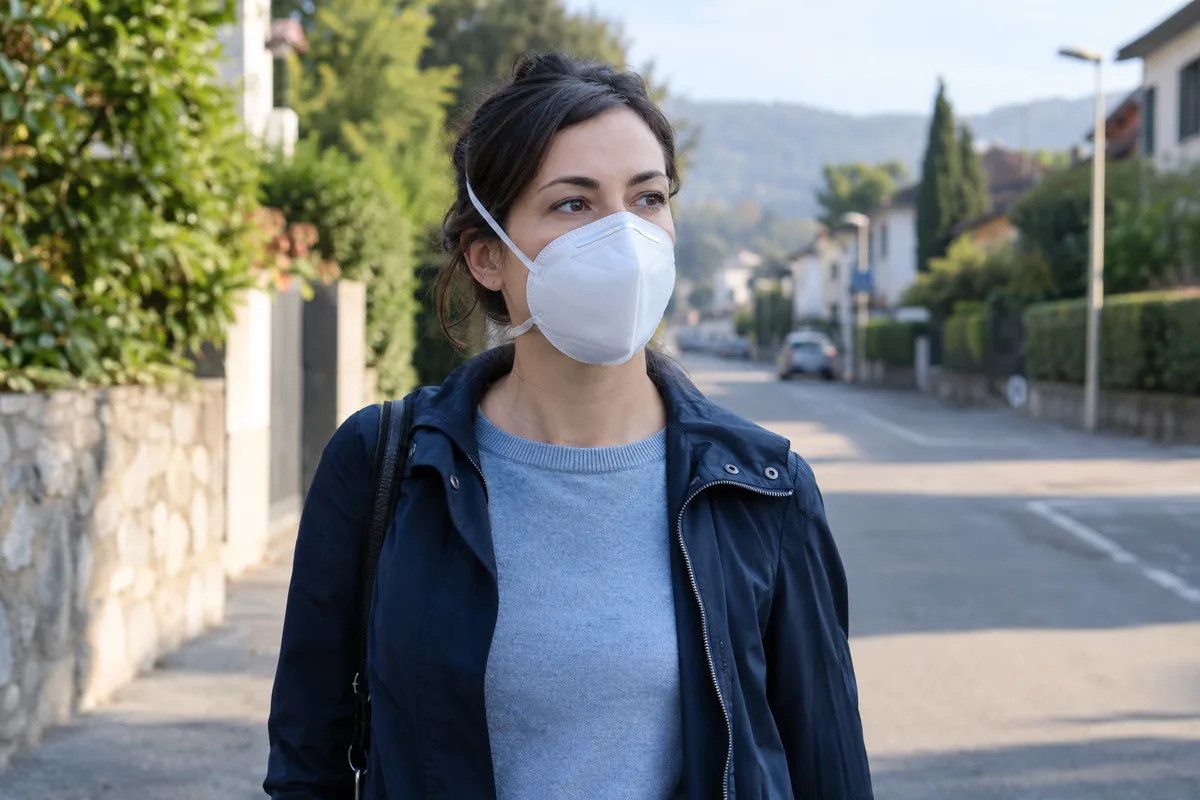
An FFP2 or FFP3 mask is designed to filter particles and certain aerosols. Fire smoke is a much more dangerous mixture: heat, gas, possible lack of oxygen, soot, fine particles and irritating or toxic substances.
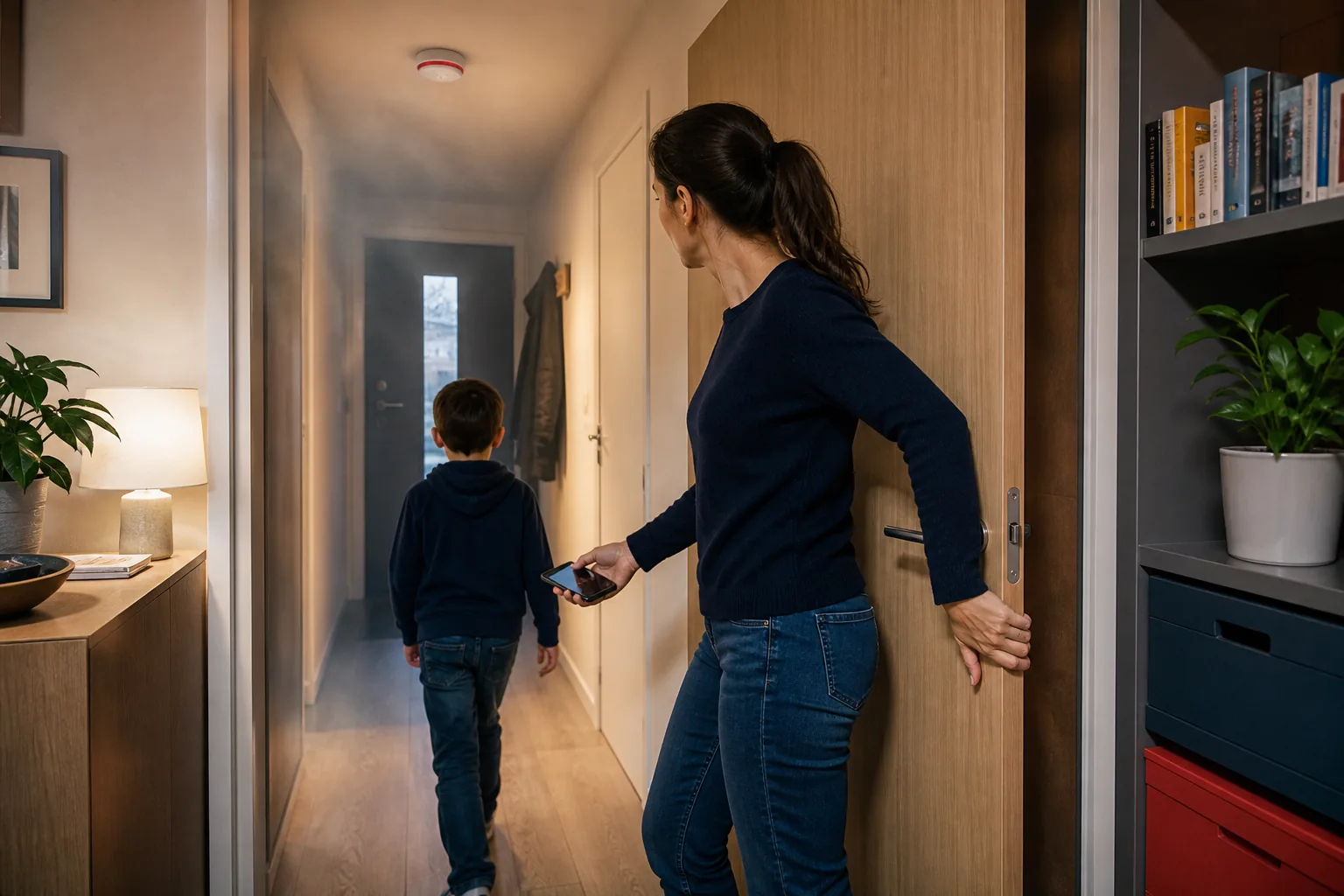
Si le feu prend chez vous et que vous pouvez rejoindre un lieu sûr, quittez le logement et fermez la porte derrière vous. Si la pièce où vous êtes est pleine de fumée, restez près du sol pendant ce déplacement. Si le feu est ailleurs et que l’escalier est enfumé, restez derrière la porte fermée, appelez les secours et signalez-vous à la fenêtre.
Qualified responders use suitable respiratory protection devices and specific training. The general public should not equate a dust mask with fire response equipment.
After the fire: soot, odors and surfaces
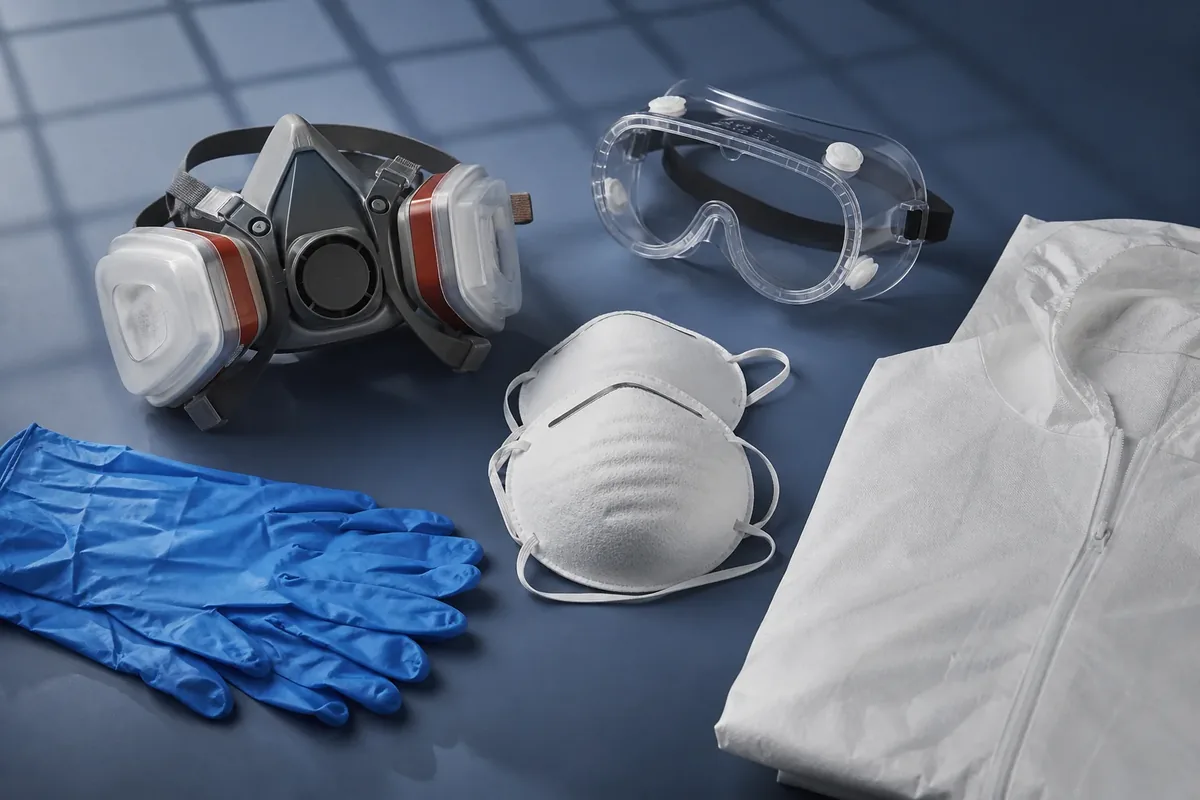
After a disaster, soot and dust can dirty surfaces, clothing, appliances and food. Cleaning must remain careful: gloves, ventilation if authorized, waste bags, separation of soiled objects and professional advice if the damage is significant.
A particulate mask can limit the inhalation of cold dust during certain post-disaster cleanups, but only when the area is no longer on fire, it is authorized for access and the atmosphere is not dangerous.
Food, water, textiles and objects exposed to heat, fumes or soot must be treated as potentially unclean or soiled until verified.
Why a few breaths can already be dangerous
Fumes reduce visibility, irritate the respiratory tract and transport gases as well as toxic particles. Their composition changes depending on the materials burning. It is therefore impossible to conclude that a dust mask makes an area safe.
Stay low only if this allows you to immediately reach a visible and passable exit. If the common areas are filled with smoke, do not do so: close the door, limit the entry of smoke, call the emergency services and make your presence known. Every second spent searching for equipment delays securing it.
The breathing apparatus used by firefighters operates with training, an air reserve and collective procedures. They should not be confused with filtering half-masks sold for dust or certain work.
Landiras in July 2022: a real satellite observation
This image of the Landiras area in Gironde, France, shows a fire-affected area and a smoke plume. Sentinel data were processed to produce this view; it is an archive from July 2022.
A satellite view documents an event’s extent, but does not measure the air people breathe at a specific address or provide an evacuation route. For an ongoing event, follow the prefecture’s and emergency services’ instructions.
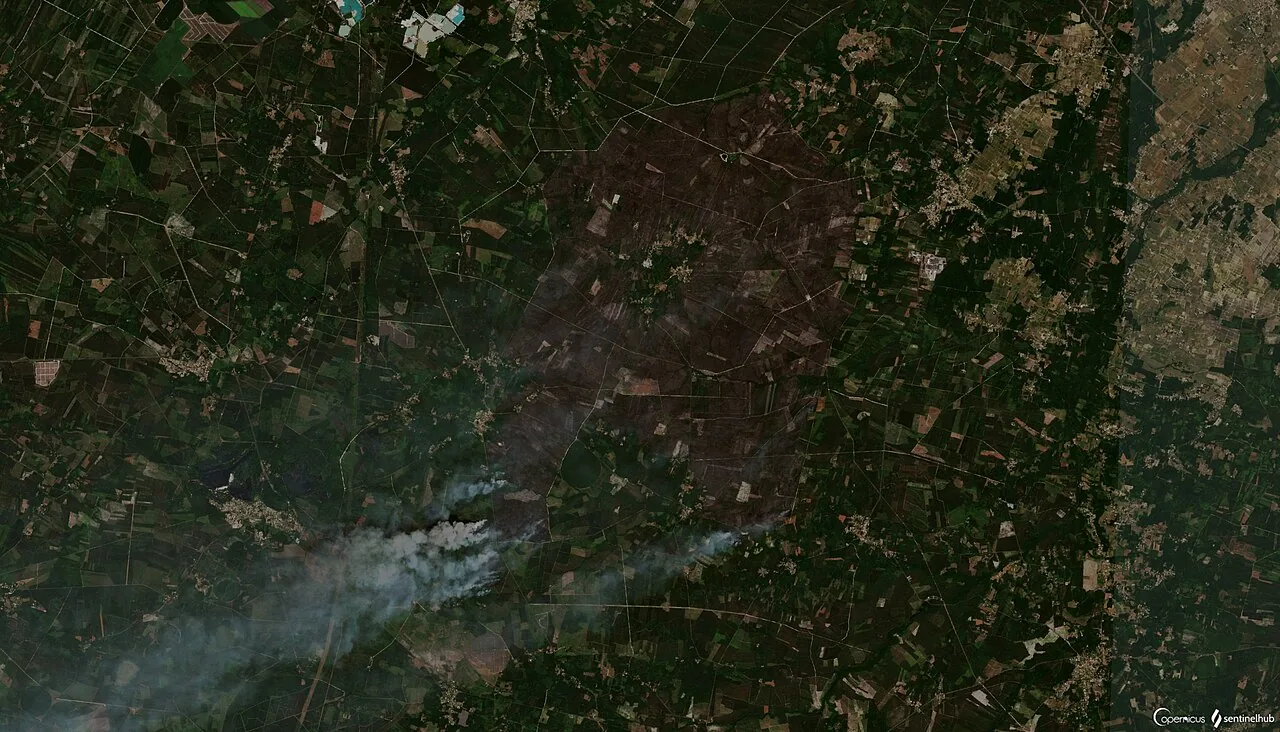
Copernicus / ESA / Pierre Markuse · Wikimedia Commons

Filtering or supplied air: where does breathing air come from?
A filtering respirator uses ambient air and only removes contaminants covered by its filter. It does not supply oxygen. An atmosphere-supplying respirator provides breathing air from a source independent of the contaminated atmosphere.
This distinction does not let you select equipment on your own for a fire, a confined space or an unknown substance. Atmospheric assessment, training and rescue arrangements remain necessary. An FFP mask targets particles, not gases or vapours.
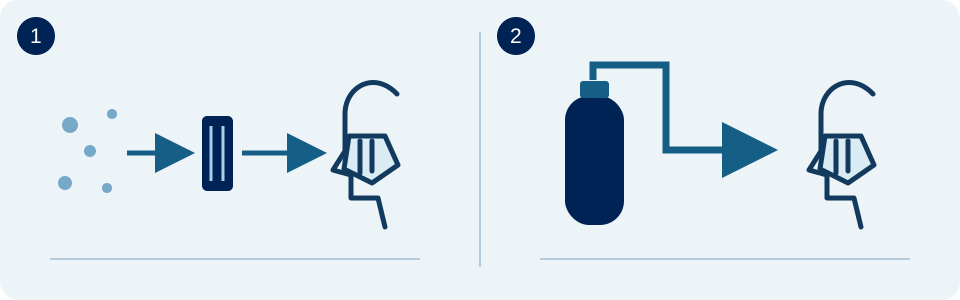
Useful data at a glance
Orders of magnitude and simple controls to adapt to your situation. Local instructions always remain a priority.
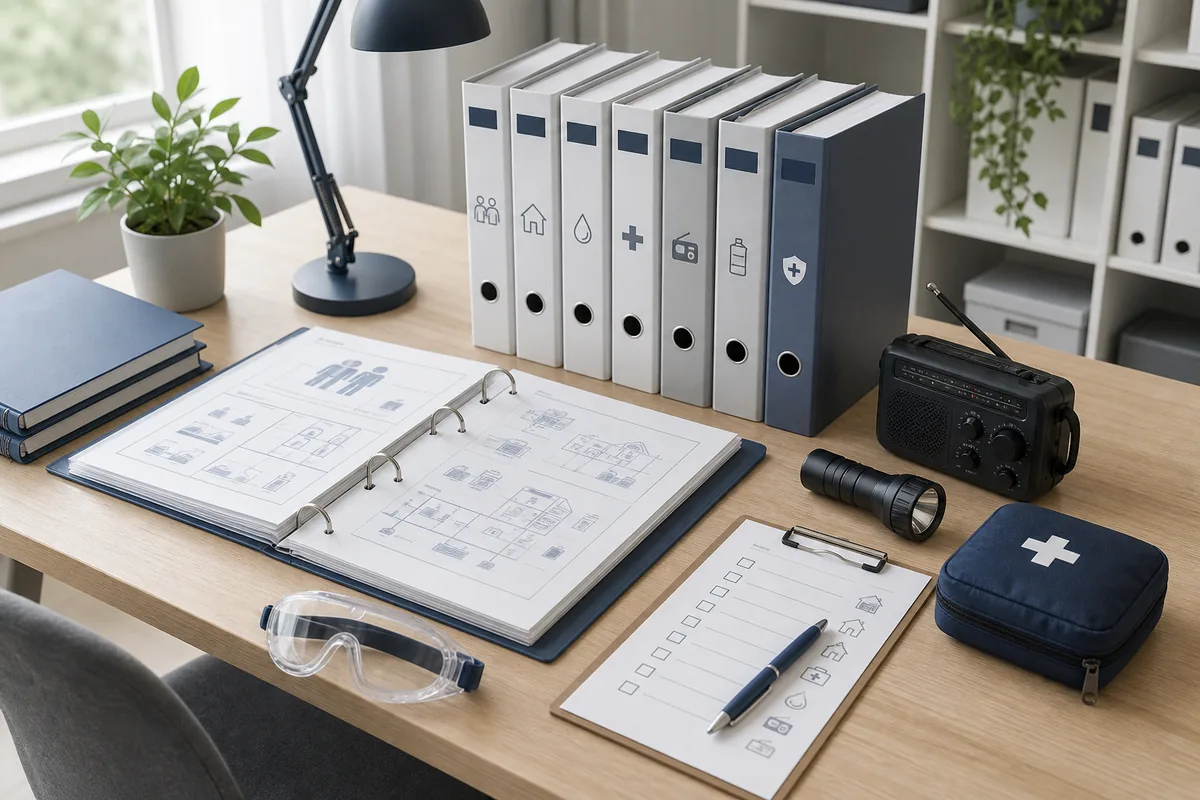
In the fumes
Toxic gases, particles and lack of oxygen.

Priority numbers
Call from a safe area.
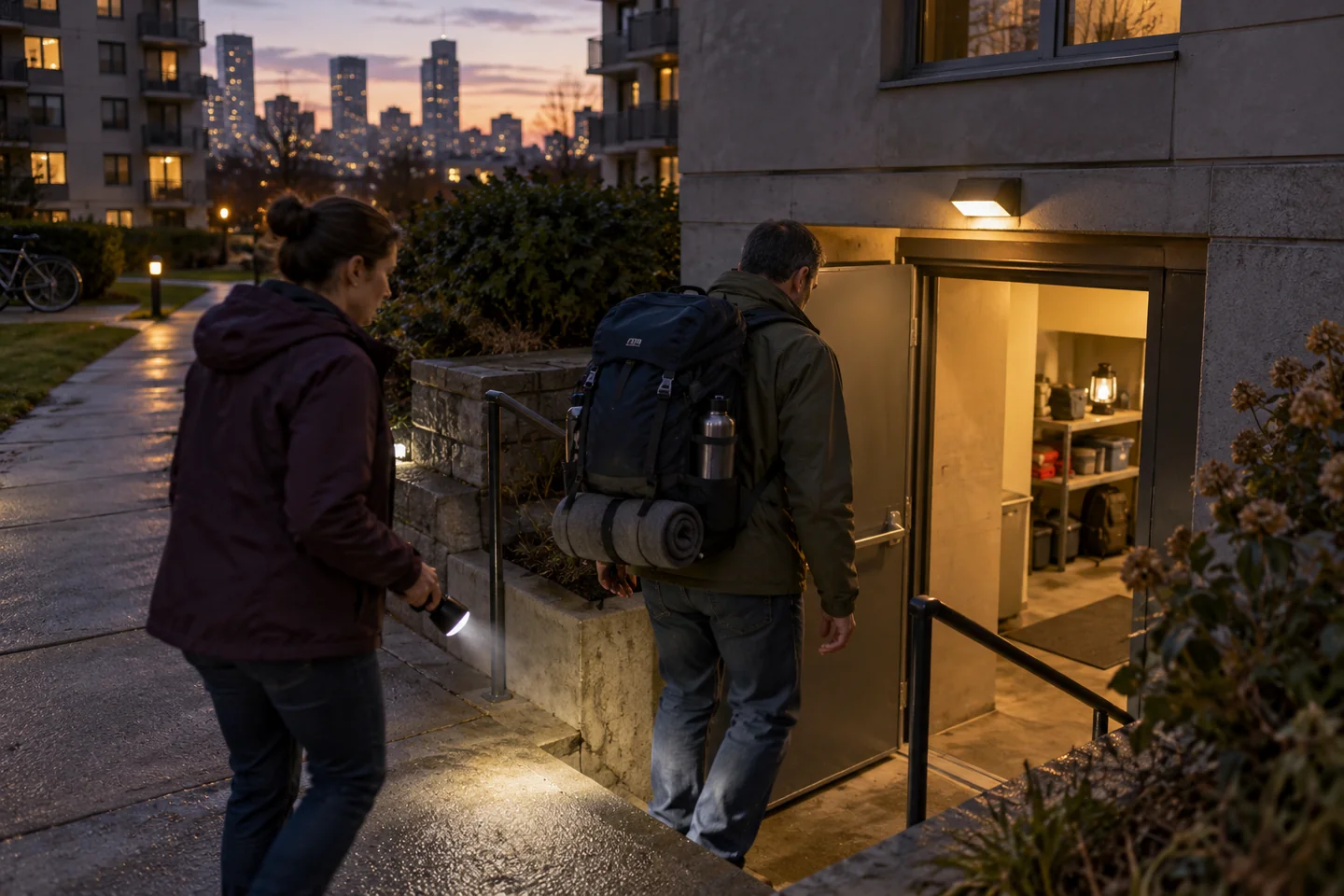
To cross a fire
Evacuation or shelter remains a priority.
Quick check before you need it
- Do not enter a smoke-filled area
- Test the door before opening it
- Close behind you if possible
- Report if the exit is impracticable
- Never return to the building
Recommended situations and routes
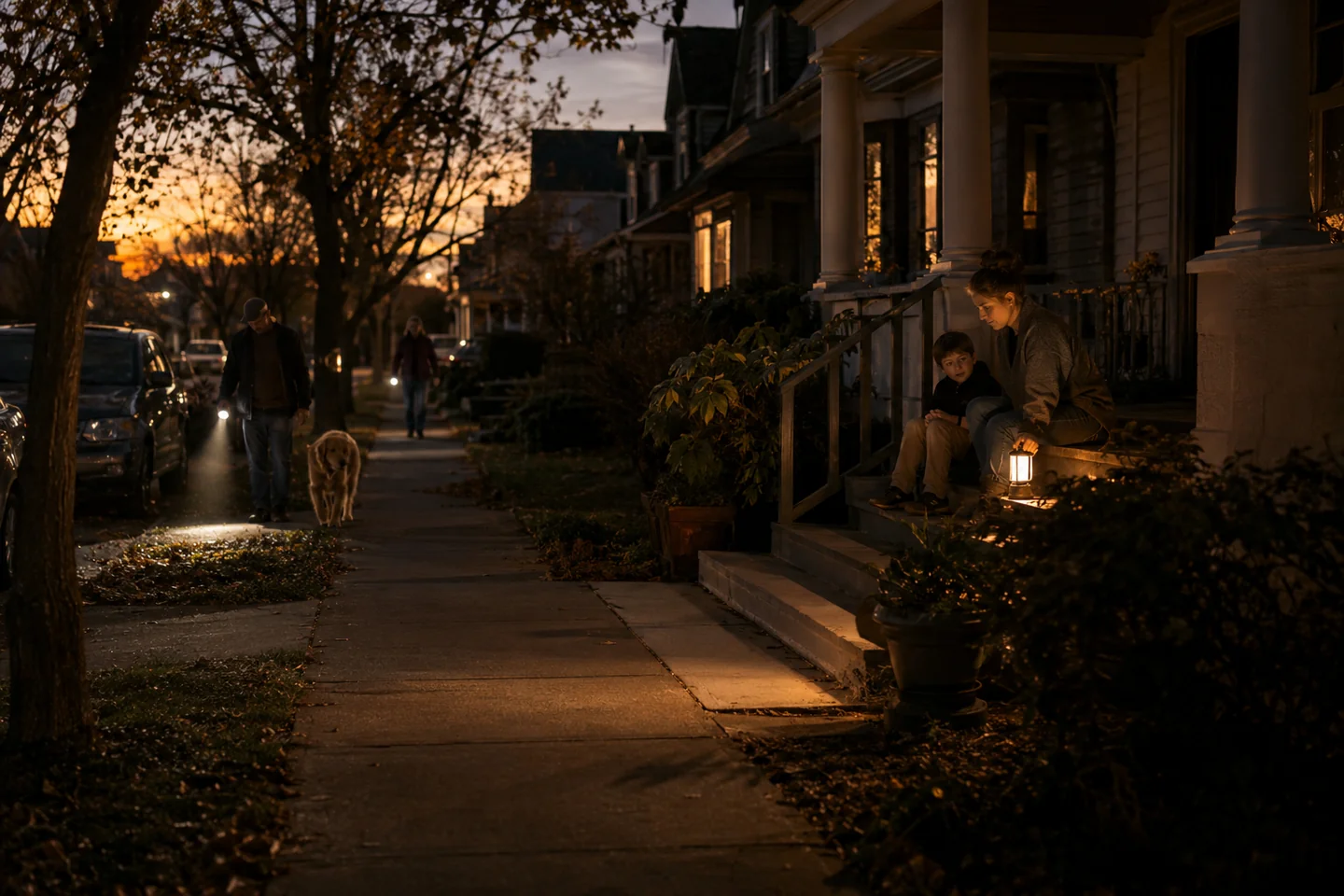
During the fire
Avoid smoke, go out if possible, seal yourself if the exit is smokey, call 18 or 112.
Deep: During the fire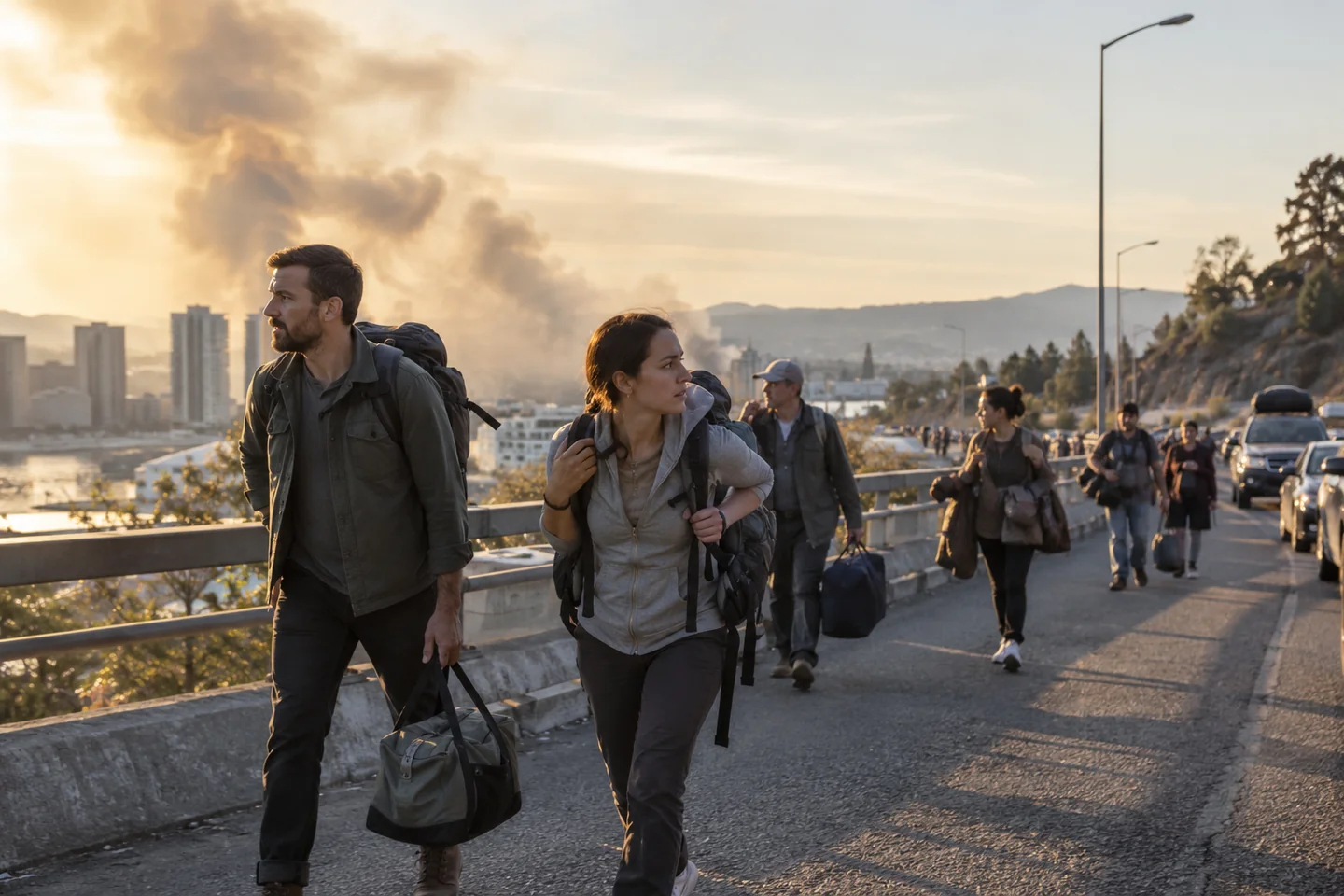
Cleaning authorized
Gloves, glasses, particulate mask possible against dust cold bags, waste bags and hand washing.
Deep: Cleaning authorized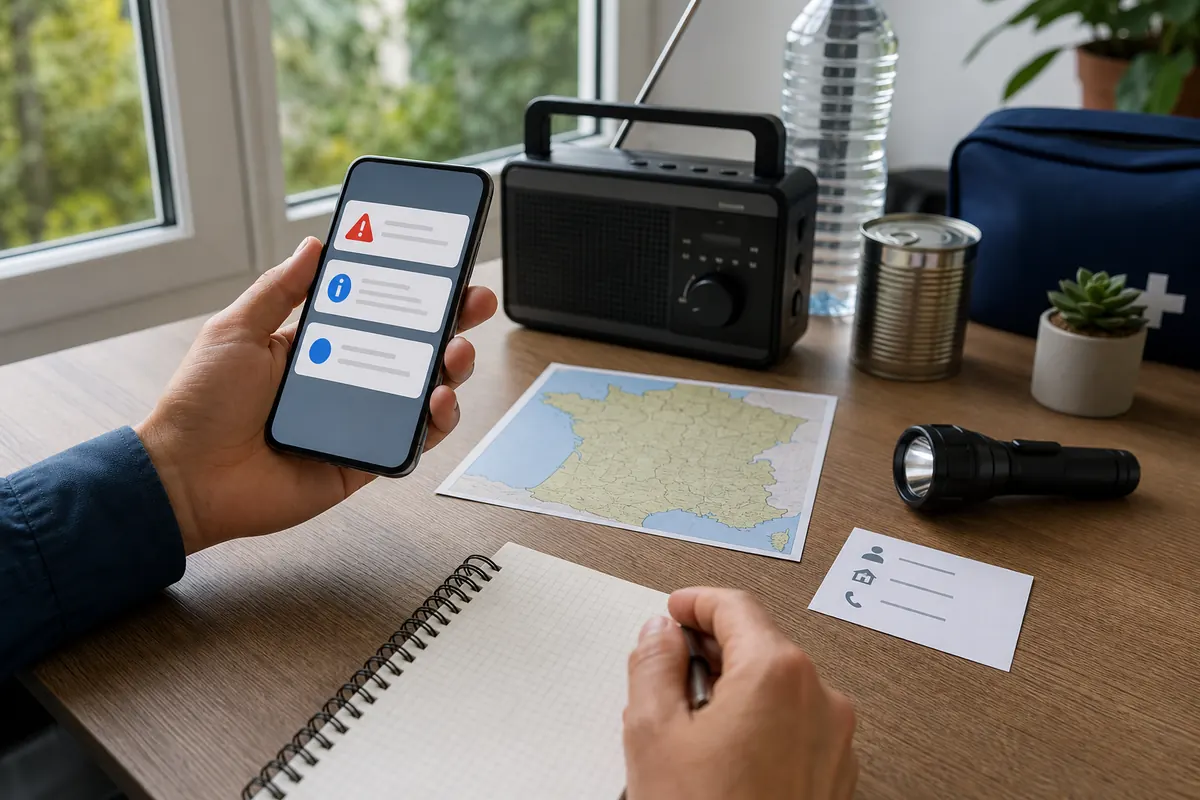
Company / ERP
Reintegration procedure, control of premises, information of teams and professional cleaning if necessary.
Dry deeper: Business / ERP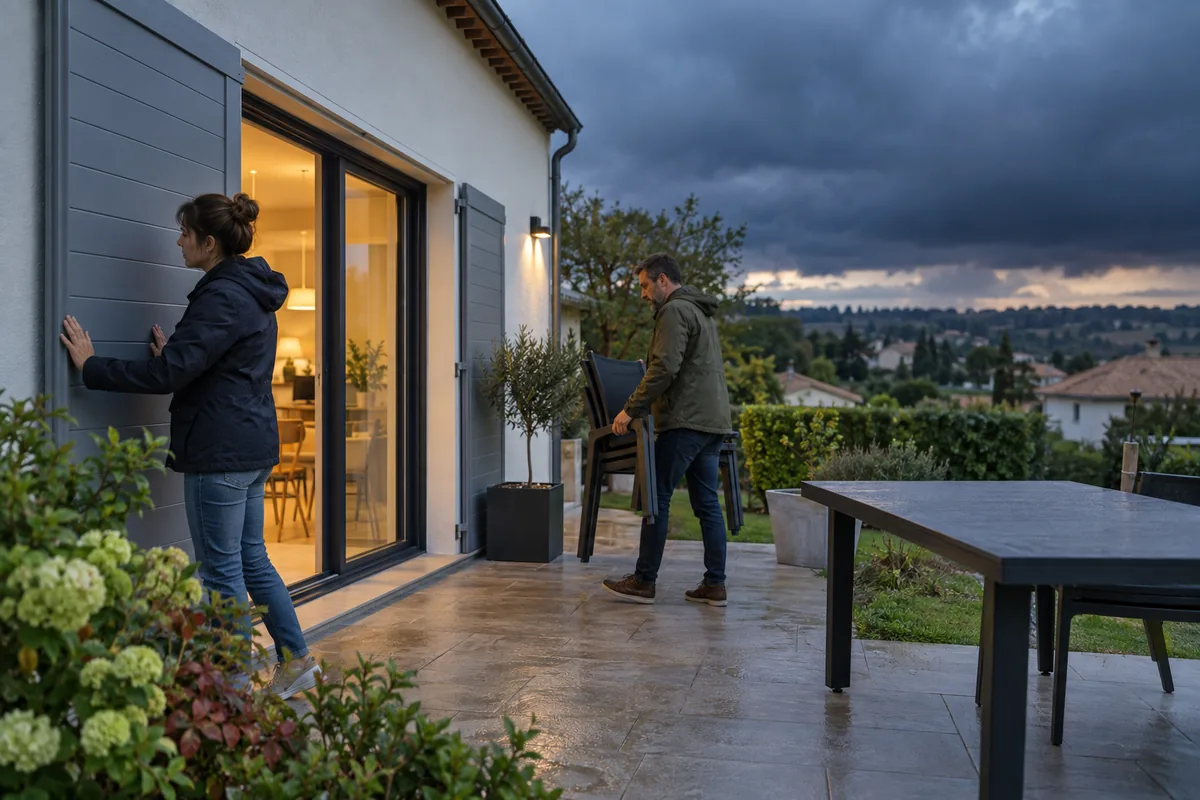
FAQ Fumes / breathing
Quick responses to compare uses, limits and protection priorities.
Does a damp cloth protect against smoke?
Un linge humide peut servir à calfeutrer une porte pendant la mise à l’abri. Il ne protège pas les poumons des gaz toxiques d’un incendie.
Why do firefighters have another device?
Responders use specialized, insulating respiratory devices or adapted, with training and procedure. It is not comparable to an FFP2 or FFP3.
When to use a mask after a fire?
Only outside of immediate danger, in an authorized area, to limit certain cold dust or soot, with gloves, hygiene and caution.
Does an FFP3 mask protect in a fire?
No. It does not protect against many toxic gases or against lack of oxygen. The priority is evacuation or shelter depending on the situation.
References used for this guide
 Civil security - Domestic fire
Prevention of domestic fires, smoke detector, evacuation, call 18 or 112, shelter if common areas are smoked.
 INRS - Toxicity of fire smoke
Documentary reference on the toxic effects of fire smoke and the importance of specialized respiratory protection for qualified responders.
INRS - Protective equipment individual
Reminder that PPE complements risk elimination or reduction measures and must be adapted to the work context.
Explore more CBRN guides