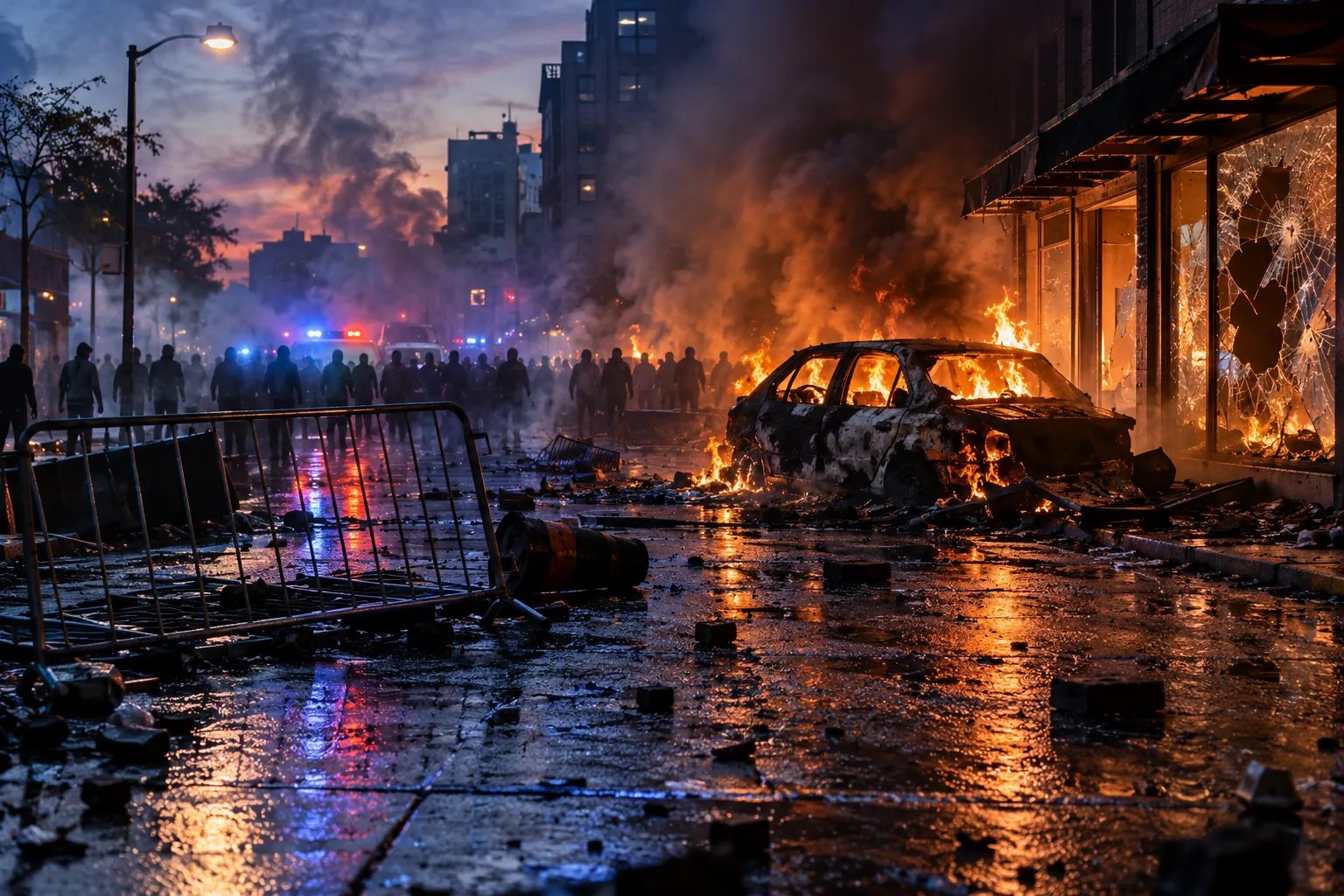
In the face of civil unrest, the best purchase is not offensive: reliable information, 72-hour kit, lighting, communication, insurance, fire safety, first aid kit and family organization.
The priority is avoidance
During riots, violent demonstrations or local tensions, the safest reflex remains to avoid exposed areas, postpone non-essential journeys and follow the instructions of the authorities.
The home must be prepared in a simple way: charged telephone, radio or reliable source of information, lighting, water, treatments, food, first aid kit, documents and family contact plan.
A serious buying guide should not push weapons or confrontational tactics. It should help keep distance, protect vulnerable people, reduce damage and document claims for insurance.
Useful and legal purchases
For the home: detectors, suitable fire extinguisher, fire blanket, lamp, external battery, radio, first aid kit, resistant bags, photocopies of documents and storage of sensitive objects.
For travel: suitable shoes, visible or discreet clothing depending on the context, water, charged phone, alternative routes and means of warning a loved one.
For administration: home insurance, pre-disaster photos, simple inventory, digital copies, useful contacts and emergency numbers.
Reduce exposure and preserve a family routine
When tension rises, the first reflex is to limit non-essential travel and to check the information with the prefecture, town hall, transport and recognized media. Isolated videos or forwarded messages without a date can give a false picture of the situation and lead to a risky decision.
At home, keep fragile objects away from windows, keep accessways clear, and check smoke detectors. Prepare treatments, documents, chargers and some ordinary provisions. These measures are useful without transforming the home or encouraging confrontation.
Simply talk with children and loved ones: where to stay, who to call and which route to avoid. If an evacuation is decided by the authorities, take the essentials and follow the indicated routes. Curiosity, observation from the street and the desire to defend material property must never come before the safety of people.
Useful data at a glance
Orders of magnitude and simple controls to adapt to your situation. Local instructions always remain a priority.
Information to cross-reference
Prefecture, transport and recognized media.
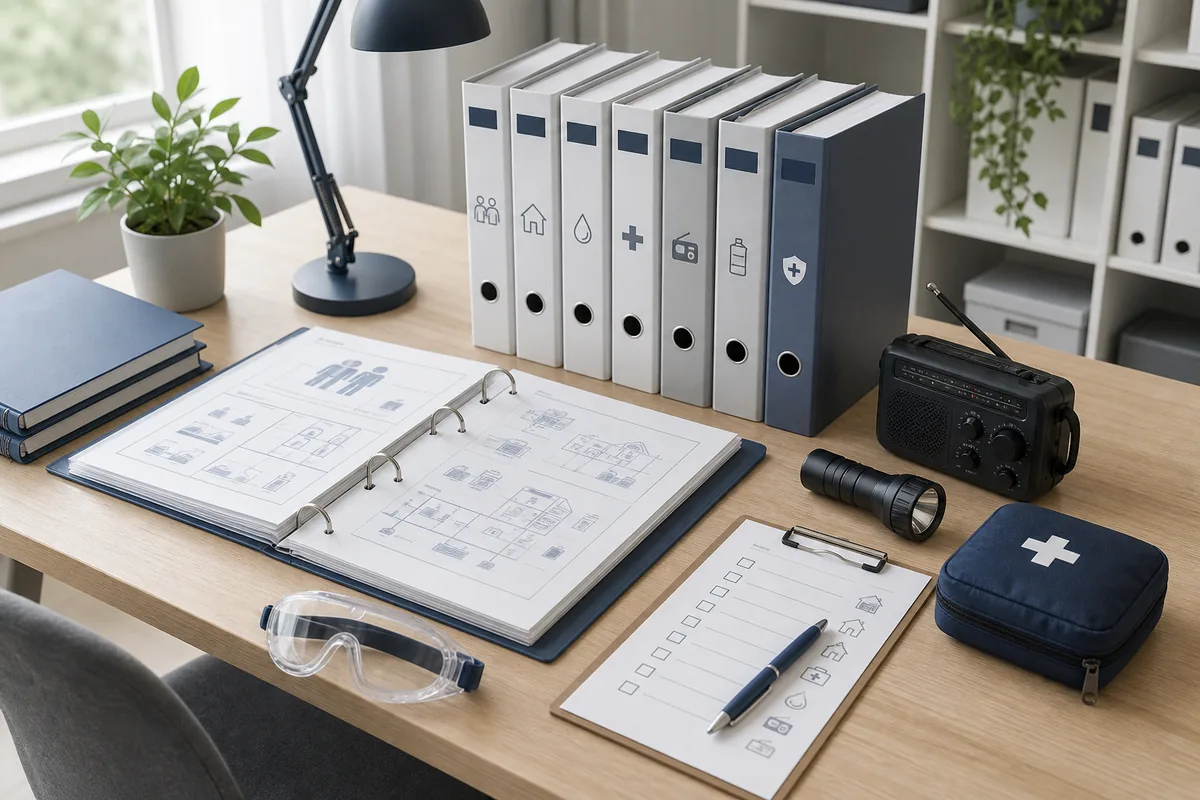
Careful movement
A main route and a fallback solution.
Objective
Avoidance better protects people and property.
Quick check before you need it
- Postpone non-essential outings
- Charging phones and batteries
- Keep fragile objects away from windows
- Prepare documents, treatments and water
- Check insurance and family contacts
Recommended situations and routes

Tense neighborhood
Postpone exits, follow instructions, close doors and keep the phone charged.
Deep: Tense neighborhood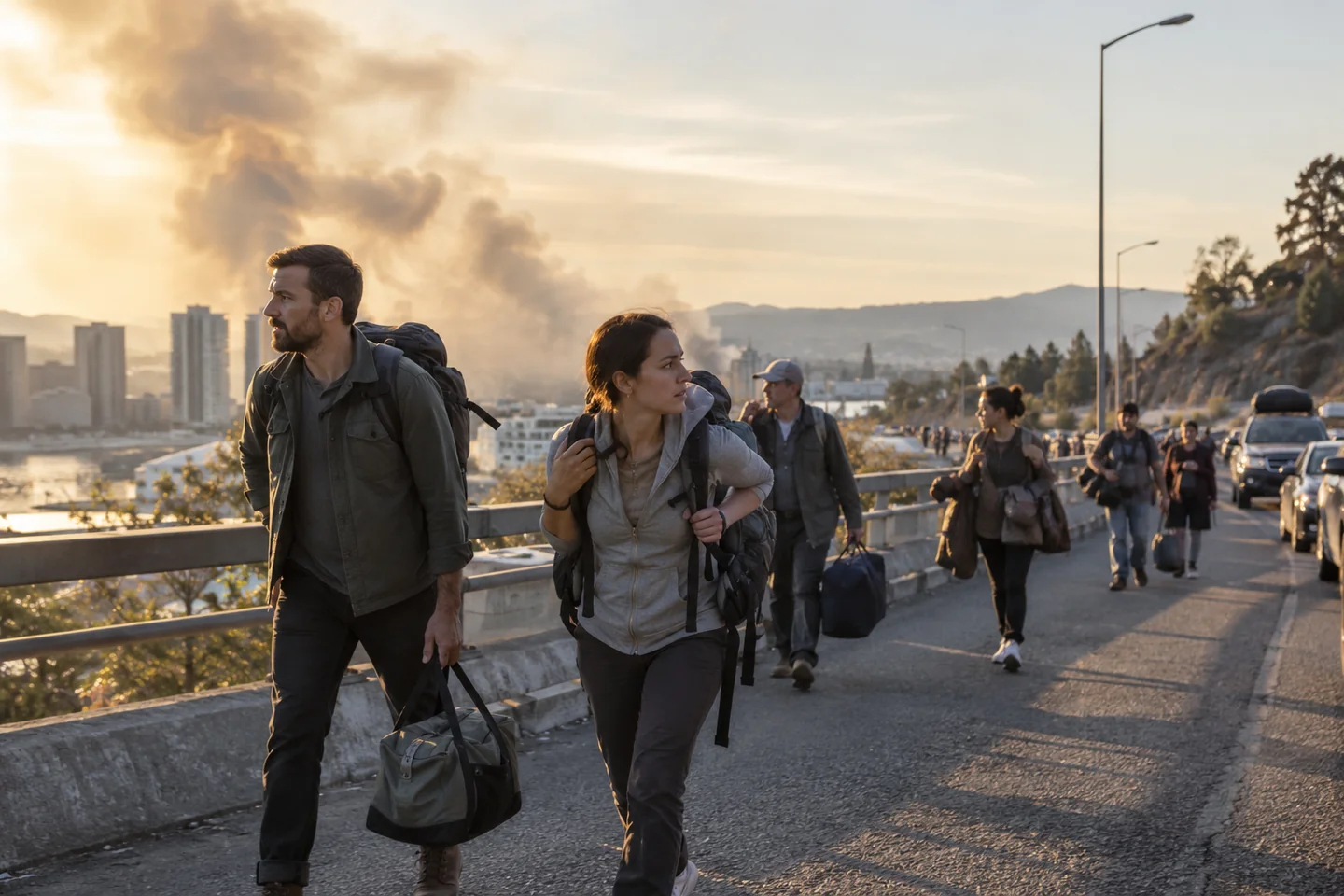
Risk of fire or smoke
Priority to safe evacuation, 18/112 and shelter if common areas are smoked.
Go deeper: Risk of fire or smoke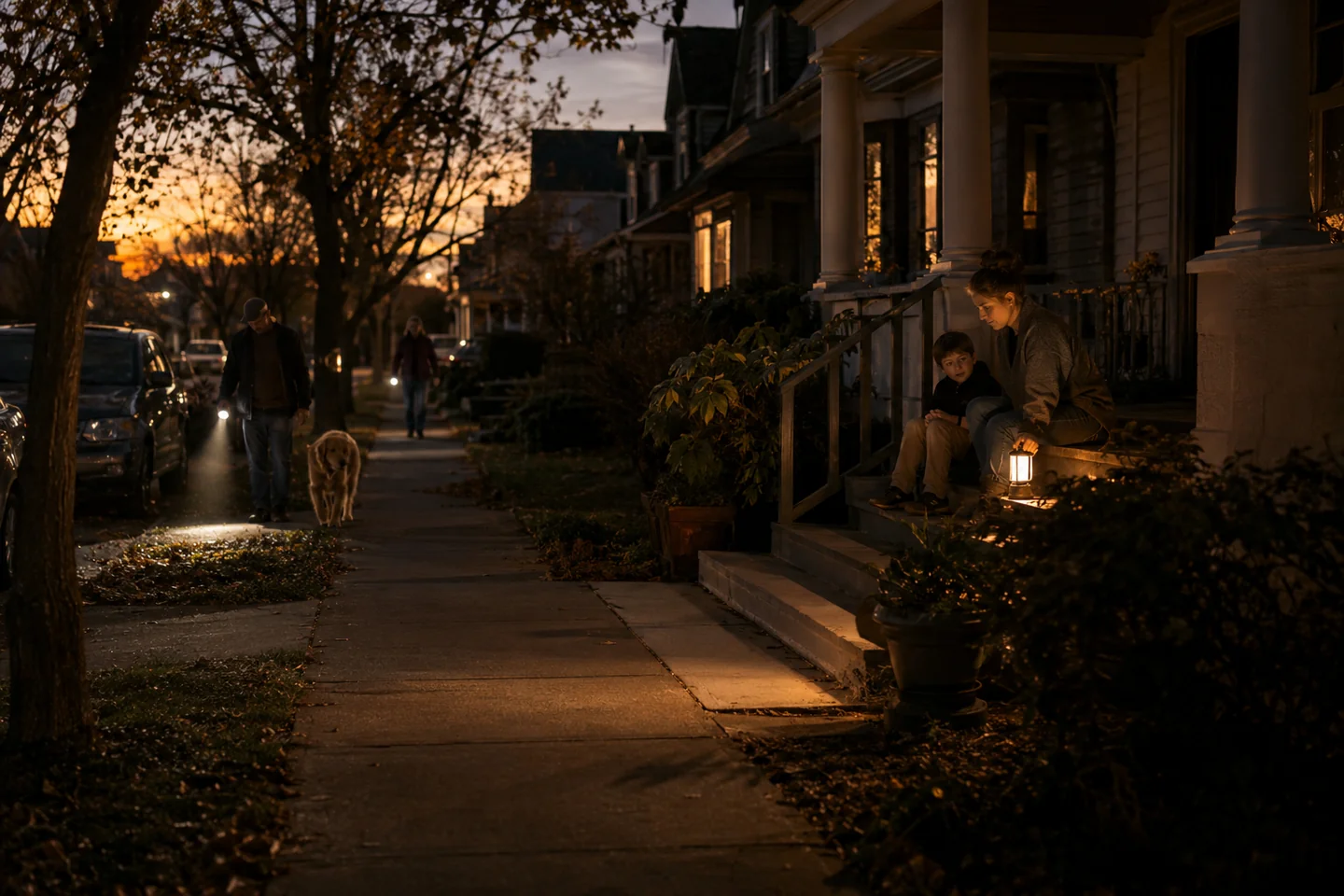
Purchases to compare
Compare lighting, radio, batteries, fire extinguishers, detectors and emergency kits emergency.
Deep: Purchases to compare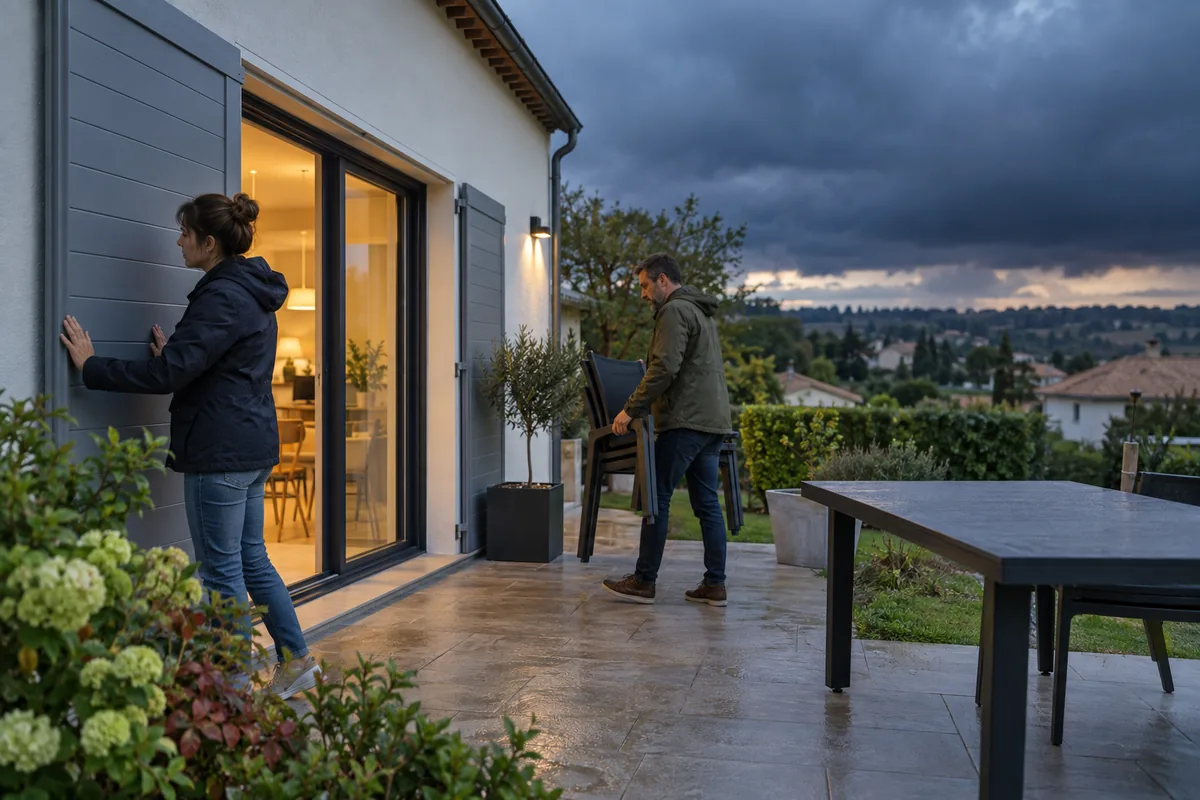
FAQ Civil unrest
Quick responses to compare uses, limits and protection priorities.
Should you go out to see?
No if the area is unstable. The priority is the safety of people.
What purchases to avoid?
Objects presented as offensive or miraculous. The site favors avoidance, alert and domestic protection.
Which equipment should be preferred?
Equipment useful for alerting, autonomy, fire safety, first aid and communication, depending on the real scenario.
How to check local information?
Cross the prefecture, town hall, transport operators and a recognized media outlet. Always check the date, exact location and origin of the message.
References used for this guide
 Civil security - 72-hour emergency kit
Family or professional preparation, short-term autonomy, radio, water, medicines, documents and regular checking of the kit.
Civil security - Domestic fire
Prevention of domestic fires, smoke detector, evacuation, call 18 or 112, shelter if common areas are smoked.